
Published on October 12, 2026
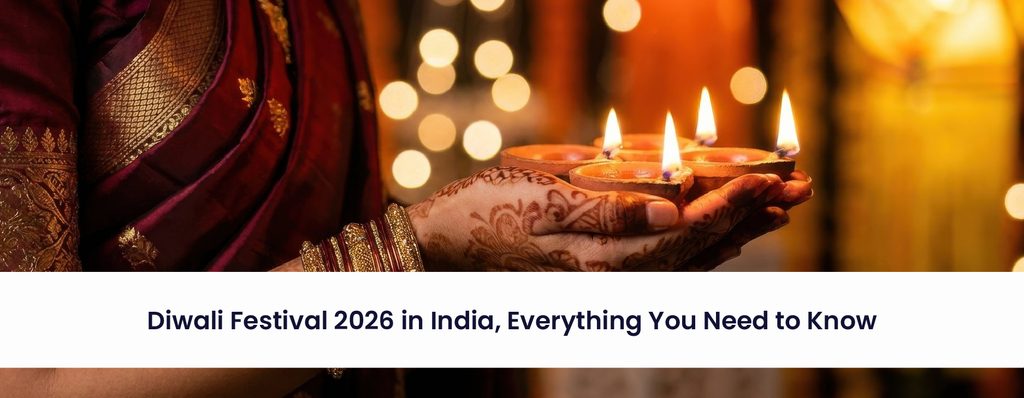
Diwali 2026 is on Sunday 8 November, and the festival runs from 6 to 11 November. For families celebrating deepavali 2026 in India, the occasion brings several days of prayers, traditional food, family gatherings and colourful decorations. While Lakshmi Puja is the main celebration for many communities, each day has its own significance and customs. Whether you’re celebrating in Delhi, Mumbai, Kolkata, Chennai or Gujarat, here’s what to know about the festival dates, puja timings and regional traditions for Diwali in India this year.
What is Diwali and why is it celebrated?
Diwali, also known as Deepavali, is one of India’s most widely celebrated festivals. Known as the festival of lights, it symbolises the triumph of light over darkness and good over evil.
For many Hindu communities, Diwali is associated with Lord Rama’s return to Ayodhya after defeating Ravana, while others celebrate the blessings of Goddess Lakshmi, the goddess of wealth and prosperity. In some regions, the festival also honours Lord Krishna’s victory over Narakasura.
Although the stories and customs differ, the central themes remain similar. Families come together, offer prayers, share meals and welcome prosperity for the year ahead.
The 5 days of Diwali 2026 explained
The 5 days of Diwali 2026 include several important observances, each with its own rituals and family traditions. The dates below follow the festival calendar specified for this year’s celebrations.
| Festival | Date in 2026 |
| Dhanteras | Friday, 6 November |
| Choti Diwali (Naraka Chaturdashi) | Sunday, 8 November |
| Diwali and Lakshmi Puja | Sunday, 8 November |
| Govardhan Puja (Annakut) | Tuesday, 10 November |
| Bhai Dooj | Wednesday, 11 November |
1. Dhanteras, Friday 6 November
Dhanteras marks the beginning of the Diwali celebrations. It is traditionally associated with wealth, prosperity and good fortune. Many families clean and decorate their homes, purchase gold, silver, jewellery or new household items, and worship Goddess Lakshmi and Lord Dhanvantari. Buying something new on this day is considered auspicious in many households.
2. Choti Diwali (Naraka Chaturdashi), Sunday 8 November
Choti Diwali commemorates Lord Krishna’s victory over the demon Narakasura. Traditionally, families begin the day with an early morning oil bath, followed by prayers and preparations for the main celebration. Homes are decorated with lamps and rangoli, while families prepare sweets and snacks to share with visitors.
3. Diwali and Lakshmi Puja, Sunday 8 November
This is the main day of the festival for many communities. Families perform Lakshmi Puja to seek blessings for wealth, happiness and prosperity. Homes are illuminated with diyas and decorative lights, and relatives gather to enjoy festive meals, exchange gifts and share sweets. In the evening, many families also visit temples or welcome friends and neighbours into their homes.
4. Govardhan Puja (Annakut), Tuesday 10 November
Govardhan Puja celebrates Lord Krishna’s protection of the people of Vrindavan. In many temples and households, devotees prepare Annakut, meaning a mountain of food, as an offering to Lord Krishna. The day is particularly important in parts of North and West India, where communities gather for prayers and shared meals.
5. Bhai Dooj, Wednesday 11 November
Bhai Dooj celebrates the bond between brothers and sisters. Sisters traditionally perform a tilak ceremony for their brothers and pray for their happiness and long life. Brothers often give gifts in return. Families use the occasion to spend time together and conclude the main Diwali festivities.
Note: Some regional panchang calendars place individual observances on different dates. The dates above follow the supplied 2026 festival schedule.
How Diwali is celebrated across India
One of the most interesting aspects of Diwali in India is how differently each region celebrates the festival. While the spirit of the occasion remains the same, local beliefs, food and customs give each celebration its own character.
North India
In North India, Diwali is closely associated with Lord Rama’s return to Ayodhya after his victory over Ravana. Homes, temples and streets are decorated with rows of diyas, colourful lights and rangoli. Families perform Lakshmi Puja in the evening, exchange sweets and gifts, and gather for festive meals. Cities such as Delhi, Jaipur and Varanasi are known for their vibrant celebrations.
West Bengal
In West Bengal, Diwali coincides with Kali Puja, which honours Goddess Kali. Rather than focusing exclusively on Lakshmi Puja, many Bengali households and temples worship Goddess Kali during the night. Temples and neighbourhoods are decorated with lights, and elaborate pandals attract visitors throughout the evening. The celebrations combine religious devotion with community gatherings.
South India
In many parts of South India, Deepavali places particular emphasis on Naraka Chaturdashi. Families traditionally wake before sunrise, apply oil to their bodies and take a ritual bath before putting on new clothes. Prayers, sweets and savoury snacks follow, with firecrackers traditionally used to mark the occasion. The celebrations often begin early in the morning rather than centring entirely on the evening.
Gujarat
Diwali holds special significance in Gujarat, where the day after the main festival marks Bestu Varas, the Gujarati New Year. Families visit temples, exchange greetings and seek blessings for a prosperous year ahead. Businesses and shopkeepers may perform Chopda Pujan, a ritual involving their account books, to welcome financial success and fresh beginnings.
Maharashtra
In Maharashtra, Diwali celebrations often begin with Vasu Baras, followed by Dhanteras, Naraka Chaturdashi and Lakshmi Puja. A popular tradition is Abhyanga Snan, an early morning oil bath before sunrise. Families prepare festive faral, a selection of homemade sweet and savoury snacks, which are shared with relatives, friends and neighbours throughout the celebrations.
Diwali traditions in India
Across India, Diwali is filled with traditions that bring families and communities together. While individual customs vary, some practices are widely recognised.
- Lighting diyas: Small oil lamps are placed around homes, balconies, entrances and temples to symbolise light, hope and prosperity.
- Creating rangoli: Colourful designs made using powdered colours, flowers or rice are arranged near entrances to welcome guests and good fortune.
- Wearing new clothes: Many families purchase new outfits for Diwali, often choosing traditional Indian clothing for prayers and family gatherings.
- Exchanging gifts: Sweets, dry fruits, clothing and decorative gift boxes are commonly exchanged between relatives, friends and neighbours.
- Visiting relatives: Families make time to visit loved ones, share meals and participate in prayers together.
- Playing card games: Card games, particularly Teen Patti and Rummy, are popular during Diwali gatherings in some communities. For many families, these games are a fun part of the celebrations.
Diwali food and sweets in India
Food is a major part of Diwali celebrations. Families often spend days preparing traditional recipes, while sweet shops and local markets become especially busy in the lead-up to the festival.
Popular Diwali sweets in India include ladoos, kaju katli, barfi, gulab jamun, jalebi and soan papdi. These are often served to guests, packed into gift boxes or shared with neighbours.
The food also changes depending on the region.
- North India: Kaju katli, motichoor ladoo, gujiya and gulab jamun are popular choices, alongside savoury namak pare and mathri.
- West Bengal: Sandesh, rosogolla and mishti doi are common favourites, particularly during Kali Puja and family gatherings.
- South India: Adhirasam, murukku, mysore pak and mixture are popular festive treats. Families often prepare several varieties of sweet and savoury snacks at home.
- Gujarat: Mohanthal, ghughra, chakli and other traditional farsan are enjoyed throughout the celebrations.
- Maharashtra: Faral is an important part of Diwali, featuring snacks such as chakli, chivda, karanji, shankarpali and anarsa.
Many families prepare these dishes together, making the cooking and sharing of food just as meaningful as the festival itself.
Firecrackers and air quality this year
Firecrackers have traditionally been part of Diwali celebrations, particularly in the evenings. However, concerns about air pollution have led to tighter restrictions in several Indian cities, especially Delhi and the surrounding NCR region.
On 30 September 2026, the Supreme Court of India indicated that it would not impose a complete nationwide ban on firecrackers, but also ruled out unrestricted, 24-hour bursting. The court said it would determine permitted timings after receiving a report from the Central Pollution Control Board (CPCB).
However, the position in Delhi requires particular attention. As of 2 November 2026, firecrackers remain prohibited under the existing restrictions, and the Supreme Court has not yet issued a fresh relaxation permitting their use for Diwali. Residents should not assume that green crackers are automatically permitted.
Air quality is another important consideration. Delhi-NCR regularly experiences worsening pollution around the post-monsoon period, with smoke from firecrackers potentially adding to existing pollution from traffic, construction and other sources.
Anyone celebrating in Delhi should check the latest Supreme Court orders and local government announcements before making plans involving firecrackers. Choosing diyas, decorative lights and community celebrations can also help keep the festival enjoyable while reducing pollution.
Frequently asked questions about Diwali 2026
The Diwali 2026 date is Sunday, 8 November. The main Lakshmi Puja takes place in the evening, although celebrations and preparations begin earlier. The wider festival period starts with Dhanteras on 6 November and concludes with Bhai Dooj on 11 November.
The main festival observances are Dhanteras on 6 November, Choti Diwali and Lakshmi Puja on 8 November, Govardhan Puja on 10 November and Bhai Dooj on 11 November. Some regional calendars observe certain rituals on different dates.
In New Delhi, Lakshmi Puja muhurat on Sunday, 8 November 2026, is 5:54 PM to 7:50 PM. These timings are based on the city’s local panchang calculations. Puja timings vary across India, so families should check the timings for their specific city.
Yes. Diwali is a public holiday in many Indian states, although the official holiday calendar and arrangements can vary by state and institution. Government offices, schools and many businesses generally close for the occasion. Check local notifications for specific opening hours and holiday arrangements.
As of 2 November 2026, firecrackers remain prohibited in Delhi under existing restrictions. Although the Supreme Court has considered allowing specified green crackers, no fresh permission or final bursting hours have been announced. Residents should follow the latest court orders and Delhi government updates.
Celebrate Diwali with family in India
Diwali is more than a single evening. It is a celebration of family, traditions, food and togetherness that brings communities across India closer. From Lakshmi Puja and glowing diyas to homemade sweets and visits with loved ones, every region has its own way of making the festival special. Wherever you celebrate this year, may Diwali 2026 bring happiness, prosperity and beautiful memories with the people who matter most. Happy Diwali from Gaura Travel!