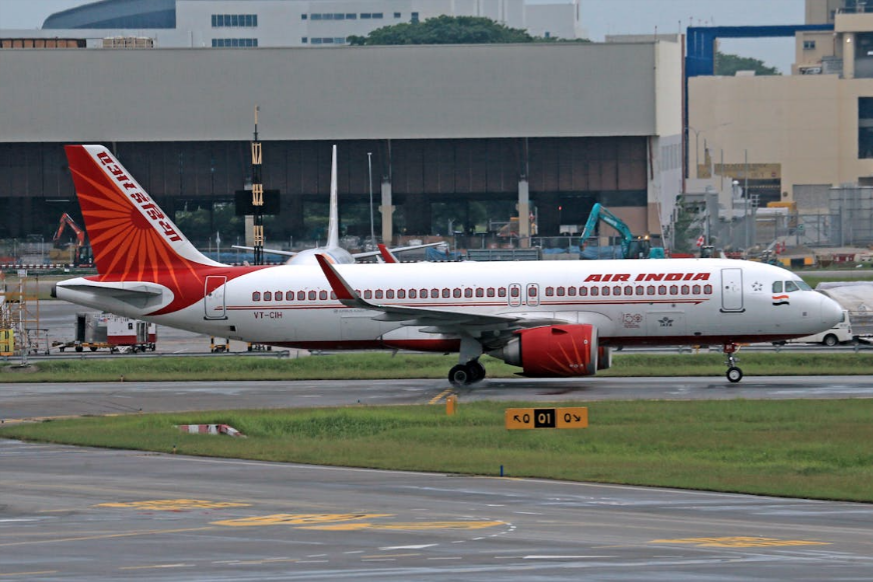
Every year, thousands of Indian Australians face the same decision: Do I fly home alone this time, or do I bring the whole family? The question of family trip vs solo trip India isn’t just emotional — it’s a serious budget conversation.
On the surface, a solo ticket looks cheaper. One fare, one bag, one hotel room. But when you dig into the real numbers, the picture changes. Let’s break down the true costs so you can decide what makes a more financial (and emotional) sense.
The Solo Trip: Lower Upfront Cost, Higher Personal Price
A solo return flight from Australia to India can start from competitive fares, especially if you book early. You control your schedule, stay with parents or relatives rent-free, and keep food and local transport costs low.
Typical solo costs (rough estimates for a 3-to-4-week trip):
Return flights: $800–$1,400 (depending on season and how early you book)
Local travel and incidentals: $300–$500
Gifts and extras: $200–$400
Total: Often under $2,000 if you’re careful.
The downside? You miss the shared experience. Parents don’t get to see their grandchildren. You carry the full emotional weight of the visit alone. And if you’re saving for an annual home visit, going solo every year can still add up over time without creating the family memories that make the trip worthwhile.
The Family Trip: Higher Ticket Price, Better Value Per Person
Now look at a family trip properly. Flying four or five people looks expensive at first glance. Four adult fares + kids can easily push flight costs into the $4,000–$7,000 range. Add accommodation if you’re not staying with relatives the whole time, and the total rises further.
But here’s what many people miss:
Group booking savings often reduce the per-person flight cost.
Kids’ fares are frequently lower.
Shared taxis, shared hotel rooms, and bulk food purchases bring daily costs down.
One trip creates lasting memories for everyone instead of repeated solo visits.
Cost breakdown for a family of four (example):
Flights: $3,800–$6,500 (using good deals and flexible dates)
Local transport & activities: $600–$1,000
Extra accommodation (if needed): $400–$800
Gifts and shopping: $500–$800
Total: $5,500–$9,000. Divide by four, and the cost per person is often comparable to (or only slightly higher than) a solo trip, while delivering far more emotional return.
Where the Real Savings Come From
Smart budget planning and cost-effective travel strategies make a big difference especially when you are looking to make your family travel to India as well:
Book early with the right partner
Gaura Travel’s Gdeals regularly surface some of the lowest flight costs for multiple travelers from Australia to India. Group bookings can also unlock better inventory and occasional discounts that solo travelers simply don’t see.
Spread the cost
Buy Now Pay Later lets you secure seats for the whole family without paying the full amount upfront. This is especially useful when budgeting for kids on flights or planning finances for home visits around school holidays and festival seasons.
Travel in shoulder periods
Avoid peak Diwali and Christmas weeks if possible. Slightly earlier or later dates often drop group travel discounts and overall fares significantly.
Stay with family longer
The biggest cost after flights is usually accommodation. Maximizing time with parents and relatives keeps the family trip cost planning under control.
Share the load
Many families split gift budgets or contribute to a joint “home visit fund” months in advance. Saving for a group trip becomes easier when everyone is contributing toward one shared goal.
Solo vs Family: A Quick Cost Comparison
Category
Solo Trip
Family Trip
Flights
Lower total, so more value
Higher total, lower per person with good deals
Daily living costs
Low
Shared, often more efficient
Emotional value
Personal
High for whole family
Frequency
Easier to repeat
Bigger commitment, bigger impact
Best for
Short visits, flexible timing
Festival seasons, kids’ school holidays
The numbers show that comparing travel costs isn’t as simple as “solo is always cheaper.” When you factor in the value of shared time and the ability to spread payments, a well-planned family trip often delivers better long-term value.
The Bottom Line
Whether you choose solo or family, the goal is the same: get home without unnecessary stress or surprise costs.
Gaura Travel specializes in flights to India from Australia for both individuals and groups. Our Gdeals focus on keeping fares competitive, and our Buy Now Pay Later option gives families breathing room when budgeting for extended family visits or saving money on group flights. If you’re currently planning finances for India trip or weighing family vs solo travel expenses, start by checking real fares for both options. Look at what a group booking would actually cost with current Gdeals and get the option toreserve your booking for only $5 while you take time to make your decision.
The real cost of flying home isn’t just the ticket price. It’s what you gain — or miss — once you get there. Ready to compare actual numbers for your dates? Visit Gaura Travel, explore the latest Gdeals, and see how flexible payment options can make choice more manageable. Your next homecoming — solo or with the whole family — is closer than you think.
FAQs
Is a family trip to India always more expensive than a solo trip?
Not necessarily on a per-person basis. While the total cost is higher, group bookings and lower child fares often bring the individual cost closer to a solo ticket. Shared local expenses (taxis, meals, accommodation) further reduce the gap.
What is the biggest cost difference in a family trip vs a solo trip to India?
Flights make up the largest portion. A solo return ticket is obviously cheaper in total, but when you divide a family booking by the number of travelers, the difference shrinks especially if you book early or travel in shoulder periods.
How can I reduce flight costs for multiple travelers?
Book early, stay flexible with dates, and look for group inventory. Avoiding peak festivals and school holiday weeks also helps.
How should I budget for kids on flights to India?
Children’s fares are usually lower than adult fares (exact age rules vary by airline). Factor in extra baggage if you’re carrying gifts and remember that kids often share rooms or beds when staying with family, which keeps accommodation costs down.
Is it cheaper to go solo every year or take one family trip every two–three years?
It depends on your priorities. Frequent solo trips can add up, while one well-planned family trip creates shared memories and may work out better emotionally and sometimes financially per person. Many NRIs now mix both approaches.
What other costs should I include in a family travel budget?
Beyond flights: local transport, extra food, gifts, possible short hotel stays, and travel insurance. Staying with relatives for most of the trip is the single biggest way to keep non-flight costs low.
When is the best time to book for better family fares?
Ideally 3–6 months in advance, especially if travelling around festivals or school holidays. Last-minute family bookings are usually more expensive because multiple seats in the same cabin become harder to find.
For many of us in the Indian-Australian community, planning a trip “home” is a mix of excitement and planning stress. Balancing work leave in Sydney or Melbourne, school terms, and the unpredictability of life means that booking a big family holiday can feel like a difficult puzzle. As travel experts, we define flexible travel as booking options, such as adjustable dates, tickets you can easily change, low deposits, and payment plans, that give you and your loved ones the freedom to change your travel schedules without losing a lot of money when unexpected things happen.
When we are planning long flights with kids or trying to time things right for a family gathering or wedding, strict rules are our worst enemy. That is why leaning into flexible family travel to India has completely changed the way we visit our roots.
Why Flexibility Matters for the Journey Home
A typical trip back to India isn’t just a quick vacation; it’s a big journey for the whole family. Between managing school calendars, sudden work changes, and the need to fit everyone’s schedules, fixed-date tickets that you cannot refund can cause immense stress.
For instance, getting our entire family to travel together can often feel like a delicate balancing act. If a husband suddenly cannot leave his job because an urgent project or client needs his attention at the last minute, strict bookings can quickly turn into a major problem.
Embracing flexible travel allows us to breathe easier. Whether it’s a sudden shift in work deadlines or school dates, having choices built into your booking saves you from losing hard-earned savings. For more tips on managing these journeys, take a look at the Indian Australian guide to traveling home.
1. Lock in Your Journey Home for Just $5 with Gaura Travel
Let’s be honest, booking flights for the whole family across the ocean is a major upfront cost, especially during busy seasons like Diwali, the December school holidays, or the winter wedding rush.
To remove that money stress, Gaura Travel provides a convenient “Book Now, Pay Later” solution that allows you to secure your seats for a flight home to India for just $5. Options like these low-deposit flights mean you don’t have to clear out your savings accounts just to hold seats months in advance. With Gaura Travel, we can easily secure our seats instantly, protect ourselves against sudden airline price jumps, and utilize gaura travel launches weekly instalments payment option for india air fare programs to pay off the rest of the cost in manageable weekly payments over time.
2. Tailoring Your Schedule with Flexible Travel Times
Life doesn’t run on a strict calendar, and neither should your holiday. Choosing flexible fares for families lets you pick flexible times to fly to India, giving you the freedom to adjust your dates if plans change locally in Australia.
Smart Route Planning: Securing flexible flights to India ensures that you aren’t stuck if unexpected local commitments—such as sudden workplace projects—come up at the last minute.
Easy Connections: When flying long distances with children, booking family-friendly flights to India with easy layovers keeps everyone rested and happy. For more expert tips on managing young flyers, explore what you need to know when travelling with your kids.
The Benefits of Flexibility and the Disadvantages of Strict Bookings
Understanding the difference between flexible and strict bookings shows why being able to change your plans is so important for big family trips:
The Benefits of Flexibility
Financial Peace of Mind: By using Gaura Travel’s low-deposit options and payment plans, you avoid the heavy burden of paying for multiple family members all at once, keeping your home budget balanced.
Easy Changes for Life’s Surprises: Whether a school holiday shifts or a work problem comes up (such as a partner needing to stay behind briefly for an urgent job task), having flexible travel means you can change your plans without huge fees.
Less Pre-Trip Stress: Knowing you can secure your seats early, lock in a great price, and adjust your dates later removes the stress usually associated with organizing a big group trip, highlighting the importance of being with your family.
The Disadvantages of Not Using Flexible Travel
Risk of High Cancellation Fees: Strict, non-refundable tickets mean that if a sudden work conflict or family emergency comes up, you could lose a lot of the money spent.
Money Stress from Paying Upfront: Without low deposits or payment plans, paying for multiple tickets all at once can hurt your everyday finances.
Inability to Change Plans: Fixed-date tickets offer zero room for error. If a last-minute job demand forces a schedule change, you are left scrambling to find expensive new tickets.
Practical Tips to Avoid Strict Bookings
Stepping away from strict, fixed-date tickets is easier than you think. As travel professionals, we recommend keeping these simple tips in mind to ensure your travel plans stay open and easy to change:
Choose Low-Deposit Options: Instead of buying strict tickets straight away, you can use Gaura Travel’s option to secure your seats with a tiny $5 deposit. This locks in your price without locking you into a timeline you cannot change.
Check the Ticket Rules: We always advise checking the airline’s rules on date changes and cancellations before paying. You should choose tickets clearly labeled as flexible rather than just looking for the absolute cheapest base fare.
Use Payment Plans: You can take advantage of payment programs that split your ticket costs into weekly or monthly pieces. This stops you from tying up all your cash in a single booking, much like the advice in paying for your flights has never been easier.
Add Buffer Days: When planning dates across school terms and work leave, avoid booking the exact final day of a break. Give yourself a few extra days on either end so minor calendar changes won’t ruin your entire trip.
Frequently Asked Questions (FAQ)
1. How does the $5 seat booking option work for flights to India?
Through Gaura Travel, you can lock in your current flight prices and secure your seats for travel from Australia to India by paying an upfront deposit of just $5 per passenger. This allows you to hold seats to India instantly, protect against sudden airline price jumps, and pay the remaining balance over time through weekly payments.
2. Can I choose flexible travel times when booking my family trip?
Yes. Choosing flexible fares for families gives you the freedom to select and adjust travel dates to match your family’s needs. Whether you need to work around school holidays, unexpected work tasks, or family events in India, these bookings allow you to change your plans with very little stress.
3. Why are flexible travel options important for family trips to India?
Long family trips involve managing many schedules, from school terms in Australia to work leave and sudden job delays (such as a working partner needing to push back their departure). Flexible travel protects you from losing money due to sudden date changes and removes the stress of strict tickets.
4. What payment options are available for flights from Australia to India?
Alongside Gaura Travel’s $5 deposit feature, flexible payment plans allow you to spread the cost of your family’s tickets into manageable weekly payments. This removes the need to pay the entire cost upfront, making it easier for all of us to book flights to India.
5. What tips should families keep in mind when booking flights home?
Check Baggage Allowances: Ensure your tickets include enough baggage for gifts on the way to India and special items on the way back to Australia. Add Buffer Days: Give your family time to adjust to time zones and weather changes when you arrive. Book Early: Use low-deposit options to secure seats well ahead of busy seasons like Diwali or school holidays, as outlined in how to find the best flights to india during festival season.
Gaura Travel has launched its new Celebrate with Your Loved Ones campaign, helping Indian families and communities across Australia plan their next journey home with flights to India starting from just $579.
Available for a limited time, the campaign allows travelers to secure today’s fare with a deposit of only $5 per passenger. Customers can then finalize the remaining balance later through flexible weekly installments or pay it in full when they are ready.
With travel available until 30 November 2026, the offer gives customers more time to plan visits for family reunions, festive celebrations, weddings, holidays, and other meaningful occasions.
Making Every Celebration Feel Closer
For many Indians living in Australia, the most important celebrations are the ones shared with family. Whether it is gathering around the table, returning for a wedding or simply spending time with parents and relatives, being together can turn an ordinary trip into a lasting memory.
The Celebrate with Your Loved Ones campaign reflects Gaura Travel’s ongoing commitment to making travel between Australia and India more affordable and accessible. By combining competitive fares with a low upfront deposit, the campaign helps customers start planning their journey without needing to pay the full amount immediately.
Campaign Highlights
Flights to India starting from $579
Secure the fare with only $5 per passenger
Pay the remaining balance through flexible weekly installments or in full later
Travel until 30 November 2026
Access to Gaura Travel’s 24/7 customer support
The offer is suited to families, couples, students, professionals, and anyone planning to reconnect with loved ones in India over the coming months.
Plan Ahead for the Dates That Matter
Popular travel periods can fill quickly, particularly around festivals, school holidays, and major family occasions. Booking early gives travellers a better opportunity to find suitable routes and travel dates while taking advantage of the campaign fare.
Customers can speak with Gaura Travel’s travel experts for help comparing available flight options and planning an itinerary based on their preferred dates and destination.
The Celebrate with Your Loved Ones campaign is available until 16 September 2026. Fares and seats are subject to availability, and terms and conditions apply.
Established in 2007, Gaura Travel is Australia’s leading specialist in air travel between Australia and India. Known for exclusive GDeals, flexible payment options, strong airline partnerships, and 24/7 human customer support, Gaura Travel remains committed to its mission of being Your Best Way Home.
For more information, visit Gaura Travel or call 1300 359 463.
Fares and seats are subject to availability. Terms and conditions apply.
Are you planning to study in Australia? Or maybe you are already a student in the land of kangaroos and planning to extend your visa, whether for post-study purposes or to continue your education to the next level. Either way, there is one thing you always need to keep an eye on: student visa fee Australia.
As someone who is about to become student in Australia, you are already busy preparing for IELTS, applying to colleges or universities, and sorting out accommodation. But do not forget the most crucial part of the process. Because without it, everything else means nothing. Yes, we are talking about your Australian visa application.
Before we get into the fees, let us make sure you know which student visa applies to you, because not every student falls under the same category.
Which Australian Student Visa Is Right for You?
As an Indian student planning to study in Australia, it is important to first understand the different types of student visa available to you. Below, we explain each visa type one by one.
Student Visa (Subclass 500) Standard
This is the most common student visa for Indian students coming to Australia. The Subclass 500 standard visa is for students enrolled in a registered full-time course at an Australian educational institution, including bachelor’s degrees, master’s degrees, doctoral programs, diplomas, and vocational courses. If you are coming to Australia to pursue a degree at a university or college, this is most likely the visa you need.
Key points:
Valid for the duration of your course
Allows you to work up to 48 hours per fortnight during your study period
Can be extended if you continue studying or move to a higher level of education
Your immediate family members can be included as secondary applicants
Student Visa (Subclass 500) ELICOS / Non-Award (New Tier)
This is a new pricing tier introduced under the same Subclass 500 category, specifically for students enrolled in ELICOS (English Language Intensive Courses for Overseas Students) or non-award courses, meaning courses that do not lead to a formal qualification or degree.
Key points:
Designed for students taking standalone English language courses
Also covers short preparatory or bridging courses that do not lead to a formal Australian qualification
This new tier was introduced as part of Australia’s visa pricing reform to better manage international student flows
The visa fee for this tier is lower than the standard Subclass 500, but still applies to all eligible applicants from 1 July 2026
Student Guardian Visa (Subclass 590)
This visa is not for the student. It is for the parent or relative who comes to Australia to accompany and support a student who is under 18 years old. If you are a minor studying in Australia and your parents want to stay with you during your studies, they would apply for this visa.
Key points:
Only available to accompany students who are under 18 years old
Guardian must be a parent, grandparent, or other approved relative
Does not allow the guardian to work full-time in Australia
Valid for the same duration as the student’s visa
Temporary Graduate Visa (Subclass 485)
This is a temporary visa for international students who have recently completed their studies at an Australian CRICOS registered institution and want to stay in Australia to live and work after graduation. For many Indian students, this visa is the bridge between completing your education and building a long-term career or migration pathway in Australia.
Key points:
Allows you to live, work, and study in Australia after completing your degree or diploma
You must apply within 6 months of your course completion date, missing this deadline means your application is invalid with no refund
You must be under 35 years old at the time of application, unless an exception applies
This visa provides full work rights with no hour restrictions, unlike the student visa which limits you to 48 hours per fortnight
Family members can be included in the application at an additional charge per person
The application fee is non-refundable regardless of the outcome, so ensure your application is complete and accurate before lodging
Indian Students Take Note: Here Is What the Australian Student Visa Costs Now
Starting from 1 July 2026, the Australian Government increased student visa fees across all categories. Here is a breakdown of the current international student visa cost Australia for each visa type.
Student Visa (Subclass 500) Standard Fee Australia 2026
The standard Student Visa (Subclass 500) application charge increased from AUD $2,000 to AUD $2,500 for the primary applicant from 1 July 2026, a 25% increase. This applies to most Indian students applying for a degree, diploma, or vocational course in Australia.
Student Visa (Subclass 500) ELICOS / Non-Award Fee Australia 2026
A separate lower pricing tier has been introduced for ELICOS and non-award courses, set at AUD $2,050 from 1 July 2026. This applies to students enrolled in standalone English language courses or non-award programs. While this tier is lower than the standard rate, students in this category should note that this is still an increase from previous rates and applies to all new applications lodged from 1 July 2026.
Student Guardian Visa (Subclass 590) Fee Australia 2026
The Student Guardian Visa (Subclass 590) application charge has also been increased from 1 July 2026, rising from AUD $2,000 to AUD $2,500, in line with the standard student visa increase.
Temporary Graduate Visa (Subclass 485) Fee Australia 2026
The Temporary Graduate Visa (Subclass 485) is for international students who have completed their studies in Australia and want to stay, live, and work after graduation. From 1 July 2026, the application fee increased from AUD $4,600 to AUD $5,750 for the primary applicant. Indian students should note that this visa fee is non-refundable regardless of the outcome, so it is important to ensure your application is complete and accurate before lodging.
Student Visa Australia Cost Comparison Table 2026
Visa Type
Who It Is For
Fee Before 1 July 2026
Fee From 1 July 2026
Increase
Subclass 500 Standard
Degree, diploma, vocational course students
AUD $2,000
AUD $2,500
+AUD $500 (25%)
Subclass 500 ELICOS / Non-Award
English language and non-award course students
AUD $2,000
AUD $2,050
+AUD $50 (2.5%)
Subclass 590 Student Guardian
Parent or guardian of student under 18
AUD $2,000
AUD $2,500
+AUD $500 (25%)
Subclass 485 Temporary Graduate
Graduates wanting to stay and work post-study
AUD $2,300
AUD $5,750
+150%
Important: The fee is set by the date your application is received by the Department of Home Affairs, not the date you start preparing for it. You must lodge a complete application before a fee change takes effect to pay the old rate. Always verify the latest fee using the official Visa Pricing Estimator on the Department of Home Affairs website before lodging.
Now That You Know the Australian Student Visa New Price 2026, What Should You Do Next?
The revised student visa fee applies to all valid applications lodged on or after 1 July 2026. Applicants who lodged before this date are not affected by the new charges. So if you are planning to apply soon, it is worth moving quickly and ensuring your application is complete before any further changes.
We understand that the increase may feel significant, especially when you are already managing tuition fees, living costs, and other expenses. But do not let this stop your dream of studying in Australia or continuing your education here.
As a Subclass 500 visa holder, you are still entitled to work up to 48 hours per fortnight while your course is in session, and unlimited hours during scheduled course breaks. This can meaningfully help you manage the increased cost of living and student visa fee Australia while you study.
Higher Fees Mean You Need a Stronger Application
With the student visa fee Australia now at AUD $2,500, the stakes of your application are higher than ever. Paying this amount and getting rejected is a situation no one wants to be in, especially when you have already invested time, money, and energy into your IELTS preparation, university application, and course enrolment.
This is why, alongside preparing your finances, you also need to make sure your visa application genuinely reflects who you are as a student.
The Australian Government assesses every student visa application against the Genuine Student (GS) requirement. This means you need to demonstrate clearly that your intention in coming to, or staying in, Australia is primarily to study and not for other purposes.
Here is what your application needs to show:
A Clear and Compelling Reason Why You Want to Study in Australia
Do not leave this vague. Explain specifically why Australia, why this course, and why this institution. If you are extending your visa to study at a higher level, explain how this next qualification connects to your career goals or your long-term professional plans. The more specific and personal your statement is, the stronger your application will be.
Evidence That You Are a Genuine Student
This includes your academic history, previous study records, IELTS or English language scores, and a statement of purpose that is specific, honest, and consistent with your background. Avoid copy-pasting generic statements. Australian immigration officers review thousands of applications and can easily identify weak or templated responses.
Strong Financial Evidence
With visa fees increasing and the cost of living in Australia remaining high, the Department of Home Affairs wants to see that you can genuinely support yourself throughout your study period. Prepare clear and up-to-date bank statements, scholarship letters if applicable, or evidence of financial support from your family.
Consistency Across All Your Documents
Make sure everything in your application tells the same story. Your statement of purpose, your course choice, your financial documents, and your study history should all align with each other. Any inconsistency can raise red flags during assessment and result in delays or refusal.
The bottom line is this: a higher visa fee is also a signal from the Australian Government that they are being more selective. Use this as motivation to put together the strongest possible application, because a well-prepared, genuine application not only improves your chances of approval, it also reflects the seriousness of your commitment to studying in Australia.
Once your student visa is approved, preparation shifts to your actual journey and settling in; you can read the student guide for Indian students for practical tips on managing travel costs and navigating life in Australia.
FAQ: Student Visa Fee Australia 2026 for Indian Students
How much is the Australian student visa fee in 2026?
From 1 July 2026, the standard Australia student visa fee (Subclass 500) is AUD $2,500 for most applicants. Students enrolled in ELICOS or non-award courses pay a lower fee of AUD $2,050. The Student Guardian Visa (Subclass 590) is also AUD $2,500.
How much did the student visa fee increase from the previous year?
The student visa (Subclass 500) application charge rose from AUD $2,000 to AUD $2,500 on 1 July 2026, a 25% increase. The ELICOS and non-award tier increased from AUD $2,000 to AUD $2,050, a 2.5% increase.
Does the student visa fee increase affect Indian students in Australia?
Yes. Indian students applying for a Subclass 500 visa are subject to the standard rate of AUD $2,500. Pacific Island and Timor-Leste applicants retain access to concessional visa application charges. Indian students are not eligible for this concession and will pay the full standard rate.
If I already lodged my student visa before 1 July 2026, do I need to pay the new fee?
No. If you already lodged your visa application before the increase, the new charges do not apply to you. The fee is set on the day your application is received by the Department of Home Affairs, regardless of when a decision is made.
What is the Genuine Student requirement for the Australian student visa?
The Genuine Student (GS) requirement means you must demonstrate to the Department of Home Affairs that your primary intention in applying for a student visa is to study in Australia. This is assessed through your statement of purpose, academic history, course choice, financial evidence, and overall consistency of your application. A strong and specific personal statement significantly improves your chances of approval.
If you are planning flights to Brisbane in 2026, understanding Brisbane’s major festivals, sporting events, and holiday seasons can help you save money and avoid expensive airfare periods.
Brisbane is one of Australia’s fastest-growing travel destinations, attracting international visitors year-round for its warm climate, vibrant culture scene, sporting events, family-friendly attractions, and easy access to Southeast Queensland.
However, demand for flights to Brisbane changes dramatically depending on the time of year. Major festivals, concerts, school holidays, and sporting events can quickly increase airfare prices, hotel costs, and airport demand.
At Gaura Travel, we closely monitor flight trends and seasonal demand to help Indian travelers secure cheap flights to Brisbane while planning smarter trips around Australia’s busiest travel periods.
When Brisbane hosts major events, airlines adjust fares based on demand.
This affects:
International flights
Domestic flights
Hotel availability
Airport traffic
Car hire prices
Public transport demand
As visitor numbers increase, airlines reduce the availability of lower fare classes, making cheap flights harder to find.
Travelers who book early usually secure:
Better flight deals
Lower return fares
More flexible flight times
Better checked baggage options
For Indian families and students travelling to Australia, understanding these seasonal trends can significantly reduce travel costs.
Best Brisbane Events in 2026 That Impact Flight Prices
1. Brisbane Festival & Riverfire (September)
This is Brisbane’s biggest cultural celebration. The three-week festival features world-class performances, music, theatre, and the spectacular Riverfire fireworks display over the Brisbane River and Story Bridge.
Held every September, the festival transforms Brisbane into a major entertainment destination with:
Fireworks displays
Theatre performances
Live music
Art installations
Food events
Outdoor entertainment along the Brisbane River
The highlight is Riverfire, where fireworks light up the Story Bridge and central Brisbane skyline.
Impact on Flights to Brisbane
September is one of the most expensive times to visit Brisbane.
Flight prices can increase by:
20%–40% for international flights
Higher domestic fares from Sydney and Melbourne
Limited availability for weekend flights
Best For
Families
Photographers
Culture lovers
First-time visitors to Brisbane
Smart Booking Tip
Book flights at least 3–4 months in advance if travelling during Brisbane Festival.
2. Ekka – Royal Queensland Show (August)
The Ekka is Queensland’s largest annual agricultural show.
This classic Australian event includes:
Carnival rides
Animal shows
Fireworks
Food stalls
Family entertainment
Traditional Queensland exhibitions
The event attracts thousands of visitors from across Australia.
Impact on Brisbane Flights
During Ekka:
Domestic flights to Brisbane become more expensive
Weekend return flights sell quickly
Hotel demand rises significantly
International travelers may also notice moderate airfare increases.
Best For
Families with children
Visitors wanting an authentic Australian event experience
3. Brisbane Comedy Festival (April–May)
The Brisbane Comedy Festival brings together local and international comedians across venues throughout the city.
Popular areas include:
Fortitude Valley
Brisbane CBD
South Brisbane
Flight Price Impact
This period is considered shoulder season, which means prices are generally more affordable.
However:
Popular weekends can trigger short-term airfare spikes
Last-minute bookings become more expensive
Best For
Couples
Young travelers
Friends visiting Brisbane for entertainment and nightlife
4. BIGSOUND Music Festival (September)
A major industry event with over 150 live performances in Fortitude Valley. It attracts music fans and professionals alike. It features:
Live performances
Music industry networking
Emerging artists
International music delegates
Impact on Flights
BIGSOUND overlaps with Brisbane Festival, creating one of the busiest travel periods of the year.
Expect:
Higher Brisbane flights demand
Busy Brisbane Airport terminals
More expensive accommodation
Best For
Music fans
Young travellers
Industry professionals
5. Summer Holidays and School Breaks (December–January)
Australia’s summer holiday season is one of the busiest travel periods nationwide.
During this time:
Families travel across Australia
International tourism peaks
School holidays increase demand
Brisbane becomes a gateway to the Gold Coast and Queensland beaches
Impact on Flight Prices
December and January are among the most expensive months for flights to Brisbane.
Travelers can expect:
Higher international fares
Limited cheap flights availability
Busy airport terminals
More expensive hotels and car hire
Best For
Beach holidays
Gold Coast trips
Family vacations
Summer festivals
Other Brisbane Events That Influence Flight Prices
Paniyiri Greek Festival (May)
One of Brisbane’s biggest multicultural festivals featuring:
Greek food
Music
Dance
Family activities
Brisbane Lions AFL Matches
Major AFL games at the Brisbane Cricket Ground (Gabba) can increase weekend flight demand.
Sporting Events and Cricket Matches
Large cricket events often attract visitors from across Australia and overseas.
Cheapest Time to Book Flights to Brisbane
Travelers looking for the cheapest flights to Brisbane should avoid peak event periods whenever possible.
Cheapest Months to Fly
Generally, the cheapest month for Brisbane flights includes:
February
March
Late October
November
These periods usually have:
Lower airfare demand
Better flight deals
More availability
Lower accommodation costs
Most Expensive Times for Brisbane Flights
Flight prices are usually highest during:
Peak Period
Reason
September
Brisbane Festival + BIGSOUND
December–January
Summer holidays and tourism peak
July–August
Ekka and Australian winter travel
Easter Holidays
School holiday demand
Average Flight Time from India to Brisbane
Most flights from India to Brisbane include one stop.
Average Travel Time
14–18 hours depending on airline and transit duration
Common Transit Airports
Singapore
Kuala Lumpur
Hong Kong
Doha
Popular Airlines
Qantas
Virgin Australia codeshare routes
Singapore Airlines
Malaysia Airlines
Cathay Pacific
Smart Tips to Find Cheap Flights to Brisbane
Finding cheap flights requires a combination of timing, flexibility, and planning.
1. Book Early During Festival Seasons
If travelling during major events:
Book at least 3–5 months early
Monitor price changes regularly
Avoid last-minute bookings
2. Compare Flight Times and Fare Types
Cheaper fares may include:
Longer layovers
Limited checked baggage
Fewer flexible booking options
Always compare:
Baggage rules
Fare flexibility
Transit duration
Airport transfer requirements
3. Travel Mid-Week
Tuesday and Wednesday departures often provide:
Lower prices
Better availability
Less crowded airports
4. Use Flexible Payment Options
For families planning international travel, flexible payment options help reduce financial pressure.
Gaura Travel’s Buy Now Pay Later option allows travelers to:
Secure flights early
Lock in lower fares
Pay through manageable installments
This is especially useful during peak Brisbane event seasons.
What to Do in Brisbane During Your Visit
Brisbane offers a mix of nature, culture, family attractions, and city experiences.
Popular Attractions in Brisbane
South Bank
Riverside dining
Family parks
Cultural attractions
Weekend markets
Howard Smith Wharves
Popular riverside destination featuring:
Restaurants
Nightlife
Panoramic views of Story Bridge
Queensland Art Gallery and Gallery of Modern Art
Perfect for visitors interested in:
Contemporary art
Australian exhibitions
Cultural events
Queensland Museum
Family-friendly museum with interactive exhibits.
Lone Pine Koala Sanctuary
One of Brisbane’s most popular family attractions.
Gold Coast Day Trips
Many travelers combine Brisbane with visits to:
Gold Coast beaches
Theme parks
Southeast Queensland attractions
Brisbane Airport Guide for Travelers
Brisbane Airport (BNE) is one of Australia’s major airports.
International Terminal
Handles:
International flights
Customs and immigration
Overseas arrivals
Domestic Terminal
Used for:
Flights across Australia
Sydney and Melbourne connections
Queensland regional travel
Airport Transport Options
Travelers can access:
AirTrain services
Taxi services
Rideshare services
Car hire
Public transport
The airport is located close to Brisbane city center, making transfers relatively easy.
Why Travelers Choose Gaura Travel for Flights to Brisbane
Indian travellers often need more than basic flight booking support.
Gaura Travel helps families, students, and professionals with:
Competitive Brisbane Flight Deals
Compare airlines and secure better fares for flights to Brisbane.
Buy Now Pay Later Flexibility
Spread travel costs through instalment payment options.
GDeals and Return Flight Savings
Special return flight offers between Australia and India.
Expert Travel Recommendations
Guidance on:
Best travel dates
Cheapest months
Event season planning
Family-friendly flight options
Multilingual Customer Support
Support available in:
English
Hindi
Regional Indian languages
Frequently Asked Questions About Flights to Brisbane
What is the cheapest month to fly to Brisbane?
The cheapest months for flights to Brisbane are usually: February March Late October November
Which month is the most expensive for Brisbane flights?
September is often the most expensive month because of: Brisbane Festival Riverfire BIGSOUND Music Festival December and January are also expensive due to Australia’s summer holiday season and increased international tourism demand.
How early should I book flights to Brisbane?
For the best prices: Book 2–3 months early during quieter seasons Book 3–5 months early during major events or holidays Booking early usually provides: Better flight deals More airline options Better seat availability Lower prices on checked baggage and upgrades
Are there direct flights to Brisbane from India?
Currently, there are no regular direct flights from India to Brisbane. Most flights include one stop through: Singapore Kuala Lumpur Hong Kong Doha Popular airlines flying this route include: Singapore Airlines Malaysia Airlines Cathay Pacific Qantas partner routes Virgin Australia partner routes
How long does it take to fly to Brisbane from India?
The average flight time from major Indian cities to Brisbane is approximately: 14–18 hours total travel time This depends on: Stopover airport Transit duration Airline schedule Departure city
Which airlines offer flights to Brisbane?
Several major airlines operate flights connecting India to Brisbane, including: Qantas Singapore Airlines Malaysia Airlines Cathay Pacific Virgin Australia partner airlines Each airline offers different fare options for: Economy class Premium economy Business class
How long does it take to fly to Brisbane from India?
Ready to Book Your Flights to Brisbane?
Whether you want to dive straight into the action during festival season or enjoy quieter months with lower flight prices, Gaura Travel has you covered. Head to our website today, search for flights to Brisbane, and use our tools to compare options across Qantas, Virgin Australia, and other popular airlines. Set a price alert, explore cheap flights, and book with confidence. From the Queensland Art Gallery and Story Bridge to the Gold Coast Day trips, Brisbane has something for everyone. Let Gaura Travel help you get there at the best possible price
For many years, Sydney and Melbourne dominated Australia travel plans for Indian travelers. However, Brisbane is now quickly becoming one of the most popular Australian destinations for Indian families, students, professionals, and holidaymakers.
Search demand for flights to Brisbane has increased significantly as more travellers discover the city’s combination of affordability, lifestyle, weather, and easy travel experience.
Once considered Australia’s quieter city, Brisbane has evolved into a vibrant destination offering:
Better value for money
Relaxed lifestyle
Family-friendly attractions
Easier airport access
Growing Indian communities
Convenient travel connections
At Gaura Travel, we have seen a noticeable increase in Brisbane flight bookings from Indian travelers over the past few years.
This guide explains why Brisbane is becoming one of Australia’s most attractive destinations for Indian travelers in 2026.
Why More Indian Travelers Are Choosing Brisbane
Several major factors are driving Brisbane’s growing popularity.
Key Reasons Include:
More affordable flights compared to Sydney
Budget-friendly accommodation and daily costs
Easier airport experience
Warm weather year round
Strong Indian community presence
Better work-life balance and relaxed atmosphere
Easy access to Gold Coast and Queensland attractions
For many travelers, Brisbane offers a more comfortable and less stressful Australian travel experience.
Easy Access: Brisbane Flights Are More Convenient Than Many Travelers Expect
One of the biggest surprises for first-time visitors is how accessible Brisbane has become.
Brisbane Airport (BNE)
Brisbane Airport is one of Australia’s easiest international airports to navigate.
Compared to larger airports like Sydney Airport or Melbourne Airport, Brisbane Airport offers:
Less crowded terminals
Faster immigration processing
Easier airport transfers
Family-friendly facilities
Shorter walking distances
The airport includes:
International Terminal
Domestic Terminal
AirTrain access
Taxi and rideshare services
Car hire options
Travelers often find Brisbane Airport less overwhelming after long international flights.
Flights to Brisbane from India
Although airlines do not yet offer regular direct flights from India to Brisbane, there are several excellent one-stop flights with convenient transit options.
Popular Airlines Flying to Brisbane
Singapore Airlines
Transit through Singapore
Excellent service and smooth airport experience
Malaysia Airlines
Transit via Kuala Lumpur
Competitive flight prices and good baggage allowance
Popular attractions include: Brisbane River Story Bridge South Bank Queensland Museum Queensland Art Gallery Lone Pine Koala Sanctuary
Ready to Experience Brisbane?
Brisbane is no longer the “alternative” choice — it’s becoming many Indian travelers’ favorite Australian city because it offers:
Better value for money
Relaxed lifestyle
Easier airport experience
Strong cultural diversity
Convenient travel connections
The combination of easy flights to Brisbane, lower costs, warm culture, and that sunny Queensland lifestyle is hard to beat. From the Brisbane River to the Story Bridge, your memorable Australian journey is waiting. Let us help you get there comfortably and affordably.
Travelling from India to Australia can feel overwhelming, especially if you are travelling with children, elderly parents, or visiting Australia for the first time. Booking the right Mumbai to Brisbane flights is important, but knowing what happens after landing at Brisbane International Airport can make your journey much smoother.
Brisbane is one of Australia’s most family-friendly cities. Known for its warm weather, relaxed lifestyle, beautiful Brisbane River, and multicultural communities, the city has become an increasingly popular destination for Indian travelers. You can read more about why Brisbane is getting popular with Indian travelers.
At Gaura Travel, we help Indian families find affordable Mumbai to Brisbane flight deals while making the travel experience easier from departure to arrival. This guide covers practical local tips, airport advice, transport options, and family-friendly insights to help you feel confident after landing in Brisbane.
Why Brisbane Is Which Destination for Indian Families
Brisbane offers a combination of affordability, safety, weather, and lifestyle that appeals to many Indian travelers.
Here are some families choose Brisbane:
Warm and sunny climate throughout most of the year
Strong Indian community across Brisbane suburbs
Family-friendly public transport and attractions
Excellent universities and student opportunities
Relaxed pace compared to Sydney and Melbourne
Access to beaches, parks, and outdoor activities
For many travelers, Brisbane has become more than a holiday destination. It is often a place for family reunions, student life, business travel, or long-term settlement.
How to Find Cheap Mumbai to Brisbane Flights
There are currently no direct flights from Mumbai to Brisbane, but several airlines provide comfortable one-stop flights with convenient transit options.
Popular Airlines Flying from Mumbai to Brisbane
Families travelling from Mumbai (BOM) to Brisbane (BNE) often choose these airlines:
Singapore Airlines
Transit via Singapore
Excellent family service and premium economy options
Convenient airport experience for children and elderly travellers
Malaysia Airlines
Transit via Kuala Lumpur
Competitive fares and family-friendly baggage allowance
Often provides some of the best prices during off-peak seasons
Cathay Pacific
Transit via Hong Kong
Comfortable long-haul experience and strong business class service
Qantas Codeshare Flights
Seamless flights connecting Australia routes
Reliable schedules and premium services
For further comparison on family comfort and services, see our guide on best airlines for Indian families travelling from Australia. Some travelers also compare fares from airlines like VietJet Air depending on travel dates and budget flexibility.
Cheapest Time to Book Mumbai to Brisbane Flights
Flight prices between Mumbai and Brisbane can change significantly depending on demand, festivals, and school holidays.
Cheapest Months to Fly
The cheapest month for Mumbai to Brisbane flights is usually:
February to March
August to September
Cheapest Days to Fly
For better fares:
Tuesday and Wednesday departures are often cheaper
Mid-week one-stop return flights usually offer lower average prices
Avoid peak festive periods like Diwali and Christmas if your travel dates are flexible
Average Flight Price
The average price for economy class flights from Mumbai to Brisbane usually ranges between:
AUD $1,000 to AUD $2,000 return
Prices vary depending on departure date, airline availability, school holidays, seat class, and stopover airport duration. Booking earlier often helps secure the best fare and lowest price.
Tips Before Booking Flights from Mumbai to Brisbane
Before you book flights, compare these important factors:
Factor
Why It Matters
Stopover airport
Shorter layovers reduce travel stress for families
Baggage allowance
Indian families often travel with extra luggage
Transit visa requirements
Some routes may require additional documents
Arrival time in Brisbane
Morning arrivals are easier for family transfers
Flexible booking options
Helpful if travel dates change
Many Indian travelers also prefer airlines with the same stopover airport both ways because it simplifies the overall journey.
At Gaura Travel, families can compare flights from Mumbai Chhatrapati Shivaji International Airport and secure flexible payment options through Buy Now Pay Later.
Arriving at Brisbane International Airport (BNE)
Brisbane International Airport is one of the easiest airports in Australia to navigate.
Compared to larger international airport hubs, Brisbane Airport offers:
Shorter walking distances
Clear English signage
Faster immigration processing
Family-friendly facilities
Convenient transportation options
Immigration and Customs Tips
After your Mumbai to Brisbane flight lands, the first step is immigration clearance.
What You Should Prepare
Keep these documents ready before reaching immigration counters:
Families travelling with children may sometimes receive priority processing lanes.
Customs Rules in Australia
Australia has strict customs regulations, especially for food items. You must declare:
Homemade food
Spices and seeds
Dairy products
Wooden items
Medicines
Declaring items honestly is always better than risking fines.
Collecting Luggage at Brisbane Airport
Most airlines flying from Mumbai provide generous baggage allowance for international travelers. After immigration:
Proceed to baggage collection on Level 2
Follow airport display screens for your flight number
Use airport trolleys available near baggage belts
Families travelling with large luggage should expect around 45–90 minutes total airport processing time after landing.
SIM Cards, Internet, and Currency Exchange
Free Wi-Fi: Brisbane Airport provides free Wi-Fi immediately after arrival.
Best SIM Providers: The most popular Australian SIM providers are Telstra, Optus, and Vodafone. For better coverage across Australia, many travelers choose Telstra.
Currency Exchange: You can withdraw Australian dollars from airport ATMs, use international debit cards, or exchange INR to AUD at airport counters. However, airport exchange rates are usually higher than city exchange services.
Getting From Brisbane Airport to the City Centre
The airport is located approximately 13–15 kilometers from Brisbane city center. Families usually choose one of these transport options:
AirTrain: Fast and reliable, family-friendly, connects directly to Central Station, and runs every 15–30 minutes. This option is ideal for travelers carrying moderate luggage.
Taxi and Uber: Average fare is AUD $50–$65 to Brisbane city. Benefits include direct hotel transfers, comfort after long flights, and ease with large baggage.
Car Hire: If you plan to explore beyond Brisbane, car hire can be a practical option. Popular destinations near Brisbane include the Gold Coast, Sunshine Coast, Byron Bay, theme parks, and family road trips across Queensland. Several car hire providers operate directly at Brisbane Airport.
Local Tips Indian Families Should Know After Landing
Brisbane Weather Is Warmer Than Many Expect
Even during winter, Brisbane temperatures are often mild.
Recommended Clothing: Light cotton clothes, comfortable walking shoes, and a light jacket for air-conditioned spaces.
Summer months can feel humid, especially for travelers arriving from Mumbai.
Where to Find Indian Food in Brisbane
One of the biggest concerns for first-time travellers is food availability. Fortunately, Brisbane has excellent Indian restaurants and grocery stores.
Sunnybank: Known for Indian restaurants, grocery stores, vegetarian food, and Indian sweets.
West End: Popular for Indian cafes, multicultural dining, and casual family restaurants.
Spring Hill: Convenient for travelers staying near Brisbane city.
Many Indian families buy masalas, ready-to-eat meals, Indian snacks, rice, and lentils on their first day after arrival.
Managing Jet Lag for Children and Elderly Parents
Brisbane is typically 4.5–5.5 hours ahead of India depending on daylight savings in other Australian states.
Brisbane offers reliable and family-friendly public transportation.
Go Card: Travelers should purchase a Go Card for trains, buses, and ferries. Benefits include lower transport fares, an easy tap-on system, and convenient transfers. Brisbane public transport is also pram-friendly for families travelling with young children.
Best Family Attractions in Brisbane
If you are visiting Brisbane for a holiday, these attractions are popular among Indian families:
South Bank Parklands: Riverside walks, family picnic areas, artificial beach, and restaurants and cafes.
Lone Pine Koala Sanctuary: A must-visit for children wanting to see koalas, kangaroos, and Australian wildlife.
Brisbane River Cruises: Relaxing sightseeing experience for families and elderly travellers.
Roma Street Parkland: Large gardens and open spaces perfect for children.
Why Indian Families Trust Gaura Travel for Mumbai to Brisbane Flights
We understand the unique needs of Indian travelers better than most:
Transparent best prices with no hidden fees.
Dedicated support in Hindi, English, and regional languages — 24×7.
Buy Now Pay Later flexibility that helps families manage big-ticket travel expenses.
GDeals for massive savings on one-stop return flights and future Australia–India travel.
Personalized flight booking assistance, including extra baggage, premium economy upgrades, and family seat requests.
Helpful pre-arrival guides and local tips (just like this one!).
Stop worrying about fluctuating fares and complicated connections. Head to Gaura Travel today, search for your Mumbai to Brisbane flights, and book with confidence using Buy Now Pay Later. From the moment you board at Chhatrapati Shivaji International Airport till you settle into beautiful Brisbane, Gaura Travel makes the entire journey smoother, cheaper, and more family friendly.
Frequently Asked Questions (FAQ)
Are there direct flights from Mumbai to Brisbane?
No, there are currently no direct flights from Mumbai (BOM) to Brisbane (BNE), but several airlines provide comfortable one-stop flights with convenient transit options.
Which airlines fly from Mumbai to Brisbane?
Popular airlines for this route include Singapore Airlines, Malaysia Airlines, Cathay Pacific, and Qantas codeshare flights. For comparison on services and family comfort, see our guide on best airlines for Indian families travelling from Australia.
When are the cheapest months to book Mumbai to Brisbane flights?
The cheapest months to fly are usually February to March and August to September.
Which days of the week offer better flight fares?
Tuesday and Wednesday departures are often cheaper, and mid-week one-stop return flights usually offer lower average prices. Avoid peak festive periods like Diwali and Christmas if your travel dates are flexible.
What is the average price for economy class flights?
The average price for economy class flights from Mumbai to Brisbane generally ranges between AUD $1,000 to AUD $2,000 return.
What factors should I consider before booking my flight?
Consider stopover airports, baggage allowances, transit visa requirements, arrival times, and flexible booking options. Gaura Travel lets families secure flexible payment options through Buy Now Pay Later.
What makes Brisbane International Airport (BNE) easy to navigate?
Brisbane Airport offers shorter walking distances, clear English signage, faster immigration processing, and family-friendly facilities. You can read more about why Brisbane is getting popular with Indian travelers.
What documents do I need ready for immigration clearance?
What are Australia’s customs rules regarding food and items?
You must declare homemade food, spices and seeds, dairy products, wooden items, and medicines.
Where is baggage collection located, and how long does airport processing take?
Baggage collection is on Level 2. Families with large luggage should expect around 45–90 minutes of total airport processing time.
Is free Wi-Fi available at Brisbane Airport?
Yes, Brisbane Airport provides free Wi-Fi immediately after arrival.
Which are the best SIM card providers in Australia?
Telstra, Optus, and Vodafone (Telstra is widely recommended for better nationwide coverage).
How can I exchange currency or get Australian Dollars?
You can withdraw Australian dollars from airport ATMs, use international debit cards, or exchange currency at airport counters (though airport rates are typically higher than city services).
How far is the airport from Brisbane city center?
The airport is located approximately 13–15 kilometers from Brisbane city center.
What are the transport options from Brisbane Airport to the city?
Choices include the AirTrain (runs every 15–30 minutes), Taxis/Uber (average fare AUD $50–$65), and Car Hire for extended road trips.
What is a Go Card, and why should I get one?
A Go Card is used for Brisbane’s trains, buses, and ferries, offering lower transport fares and a simple tap-on system.
What kind of clothing should I pack for Brisbane’s weather?
Pack light cotton clothes, comfortable walking shoes, and a light jacket for air-conditioned spaces.
Where can I find Indian food and groceries in Brisbane?
Popular areas include Sunnybank, West End, and Spring Hill for restaurants, grocery stores, and specialty ingredients.
How can children and elderly parents manage jet lag?
Moving to Sydney for your studies or a new life in Australia? The flight to Sydney is usually the biggest upfront expense and the one that can make or break your budget if you’re not careful. Whether you’re a student heading to university or a migrant starting fresh in the harbour city, Sydney stands out as the most amazing cosmopolitan city in Australia and an attractive tourist spot. Renowned as the most famous tourist destination, Sydney’s iconic landmarks, diverse attractions, cultural sites, and natural beauty altogether makes Sydney a unique place to visit. At Gaura Travel, we’ve helped hundreds of students and families book their India to Sydney flights without the stress of hidden charges or last-minute panic. In this guide, we break down everything from cheap flights and flight prices to baggage rules, best booking tricks, and how our USPs make the journey genuinely affordable.
Introduction to Traveling from India to Sydney
Traveling from India to Sydney is an adventure that opens up a world of opportunities, whether you’re heading for studies, work, or a fresh start in one of the world’s most amazing cosmopolitan cities. With a wide range of Sydney flights available, you can tailor your journey to fit your budget and schedule. To find cheap flights, it’s smart to compare options across popular airlines like Singapore Airlines, Qantas Airways, and Air India. These carriers offer both direct flights and connecting routes to Sydney Kingsford Smith Airport, making it easy to choose what works best for you. Using a reliable flight search tool helps you compare flight prices, departure dates, and recent direct flight deals, ensuring you get the best value for your India to Sydney trip. Whether you’re departing from Indira Gandhi International Airport in New Delhi or another major city, planning ahead and reviewing our complete India to Australia flight guide can make your journey smoother and more affordable.
How Much Does an India to Sydney Flight Actually Cost?
Right now, India to Sydney flight prices vary a lot depending on when you fly, which airline you choose, and whether you book a one-way or round-trip flights. Finding cheap flights is easier if you use price alert tools like Skyscanner, Google Flights, and KAYAK to track fare changes and get notified when prices drop. If you want to dive deeper into the math, check out our guide on how to compare airfares tools workflow for smart buyers.
One-way fares typically start from AUD $450 to AUD $600 on good deals.
Round-trip flights usually range between AUD $900 to AUD $1,200 for economy.
Travel Season
Typical Months
Price Range (Economy)
Demand Impact
Off-Peak Season
May, Aug, Sept
AUD $450 – $750
Lowest fares & lightest crowds
Shoulder Season
Feb, March, July
AUD $700 – $950
University intake periods
Peak Season
Dec, Jan, April
AUD $1,100 – $1,800+
Summer holiday surge & peak demand
The cheapest month to fly from India to Sydney is typically May, with average ticket prices ranging from A$770 to A$1,100. August or September are also among the cheapest months, with prices dropping 20–30% compared to December or January. For example, flights from New Delhi (DEL) or Bengaluru often dip into the AUD $950 range for round trips during these months.
Booking flights 2-3 months in advance, especially during peak seasons like December-January and school holidays, is recommended to secure lower prices. Booking several weeks ahead can also lead to fares around $1,284. Additionally, Wednesday is generally the least expensive day to fly to Sydney from India, while Tuesday tends to be the most expensive. Travelers can save up to 39% on their flight costs by considering flights with stopovers instead of direct flights from India to Sydney.
Recommended Months to Fly for Students & Migrants
Pro tip for students and migrants: If your course or job starts in February–March, consider flying in late August or early September to lock in the best deals and settle in before the busy season.
1. Semester 1 Intake (February / March Classes)
Target Departure Window:Late January to Early February.
Why: December and January coincide with peak summer holidays in Australia, driving up ticket prices. Fares drop significantly after mid-January. Arriving in late January or early February allows you to secure cheaper tickets while leaving 1–2 weeks to settle into housing before Orientation Week (O-Week).
2. Semester 2 Intake (July Classes)
Target Departure Window:May to Early June.
Why:May is historically the cheapest month of the year to fly from India to Sydney. Departing in May or early June lets you lock in bottom-tier pricing (saving 20–30% compared to peak periods) while beating the mid-year student arrival rush in July.
Direct Flights vs Connecting Flights: Which Saves You Money?
You have solid options when it comes to popular airlines flying this route: Air India, Singapore Airlines, IndiGo, Qantas Airways, Virgin Australia, and Cathay Pacific all operate flights from India to Sydney. To see how transit routes stack up against non-stop journeys, read our direct vs transit flights to india from australia complete guide.
Airline
Route Type
Typical Flight Time
Key Advantage
Air India
Direct (DEL – SYD)
~12h 35m
Non-stop route; single baggage check
Qantas Airways
Direct (BLR – SYD)
~11h 50m
Non-stop; generous student baggage options
Singapore Airlines
Connecting (via SIN)
15h – 18h
Excellent service; frequent student deals
Malaysia Airlines
Connecting (via KUL)
15h – 20h
Competitive pricing & flexible options
Cathay Pacific
Connecting (via HKG)
16h – 22h
Flexible date policies & extra weight options
Direct Flights:
Air India operates direct flights from New Delhi to Sydney, offering approximately 7 nonstop flights each week. The shortest direct flight time on this route is about 12 hours and 35 minutes.
Qantas Airways operates popular direct flights from Bengaluru (BLR) to Sydney Kingsford Smith Airport (SYD) — about 11–12 hours non-stop.
These are perfect if you want to minimize travel time and jet lag, especially when carrying lots of luggage for a big move.
Connecting Flights:
Multiple airlines, including Singapore Airlines, IndiGo, Qantas Airways, Virgin Australia, and Cathay Pacific, offer connecting flights from India to Sydney. Travel times for these connecting flights typically range from 15 to 31 hours, depending on the number of stops. Travelers often choose major Asian or Middle Eastern hubs for stopovers when booking one-stop flights to Sydney.
Singapore Airlines and Malaysia Airlines are favorites among budget-conscious travelers. Their connecting flights via Singapore or Kuala Lumpur frequently offer last minute flight deals and can work out around AUD $150 cheaper than direct options.
Gaura Travel’s flight search tool shows you every option side-by-side — direct, one-stop, even multi-city if you want to visit family on the way. We help you find flights that actually fit your travel dates and budget.
Baggage, Hidden Charges & What Students/Migrants Need to Know
This is where most first-timers get surprised. Some important information to know about the baggage allowances and rules are:
Check-in baggage allowance on most India to Sydney flights is 30 kg in economy (sometimes 23 kg on certain airlines — always double-check).
Cabin baggage is usually 7 kg.
Extra baggage fees can add up fast with most airlines charging extra fares per kg of extra baggage.
Students moving with books, gadgets, and clothes often need that extra weight. Migrants carrying household items? Same story. Several major carriers (such as Qantas, Singapore Airlines, and Cathay Pacific) offer exclusive student schemes providing up to 40 kg of checked baggage upon presenting a valid student visa and Confirmation of Enrolment (CoE). For a broader comparison of carrier perks, take a look at our guide on best airlines for indian families travelling from australia. Book extra check in baggage at the time of reservation to avoid airport surprises.
Other hidden charges to watch:
Seat selection fees
Meal upgrades
Change or cancellation fees
Travel Documents and Insurance: What You Need Before You Fly
Before you board your Sydney flight, make sure you have all the essential travel documents in order. You’ll need a valid passport, the appropriate Australian visa (such as a student or work visa), and any supporting documents required by immigration. It’s also highly recommended to secure travel insurance that covers your India to Sydney journey, including medical emergencies, trip cancellations, and unexpected delays. For a complete overview of visa requirements, see our guide on essential documents required for australia tourist visa gaura travel 2.
Quick Student & Migrant Checklist:
Valid Passport: At least 6 months validity remaining.
Australian Visa: Student Visa (Subclass 500) or relevant Work/Migrant Visa grant letter.
Confirmation of Enrolment (CoE): For university students.
Overseas Student Health Cover (OSHC): Proof of mandatory health insurance.
Accommodation Details: Printed address for your first week in Sydney.
Arrival at Sydney Kingsford Smith Airport: What to Expect
You’ll land at Sydney Kingsford Smith Airport (SYD), which is located about 8 km from the city center. International flights from India to Sydney arrive at the Sydney International Terminal (Terminal 1), the key location for international arrivals. The arrival process is usually smooth if your documents are ready.
Students: Look for the International Student Welcome Desk near arrivals where volunteers are present to help with transport, SIM cards, and getting to your uni accommodation.
Migrants: Clear immigration, collect your checked bag, and head out via train, taxi, or shuttle. Budget AUD $50 to AUD $100 for airport-to-city transport.
Accommodation Options for New Arrivals
Sydney welcomes newcomers with a variety of accommodation choices to suit every budget and lifestyle. From luxury hotels and serviced apartments to budget hostels and student housing, there’s something for everyone. Popular neighborhoods for new arrivals include the vibrant city center, the family-friendly Sydney Olympic Park, and the iconic Bondi Beach area. When searching for a place to stay, consider proximity to public transport, amenities, and your university or workplace. Booking your Sydney flight tickets and accommodation in advance is the best way to secure good rates and availability, especially during peak travel seasons. Online booking platforms and local real estate agents can help you find the perfect home base as you settle into Sydney.
Food and Transportation in Sydney: Getting Settled
Sydney is renowned for its diverse food scene, offering everything from international cuisine to local Australian favorites. You’ll find bustling food markets, trendy cafes, and restaurants catering to every taste and budget. Getting around the city is easy thanks to Sydney’s smooth transport services, which include trains, buses, ferries, and light rail. For convenience, pick up an Opal card, which lets you travel seamlessly across all public transport modes. To explore Sydney’s major attractions like the world-famous Sydney Opera House and the iconic Sydney Harbour Bridge, public transport is both affordable and efficient. For sightseeing ideas, check out our guide on september splendors top places to explore in sydney australia.
Cost of Living in Sydney: What to Budget For
Sydney is one of Australia’s most attractive tourist spots and a major international destination, but it’s important to plan your budget carefully. The average cost of living ranges from AUD 4,000 to 6,000 per month, depending on your lifestyle and accommodation choices. Key expenses include rent, groceries, transportation, and entertainment.
Expense Category
Estimated Monthly Cost (AUD)
Shared Accommodation / Student Housing
$1,000 – $1,800
Groceries & Food
$350 – $600
Public Transport (Opal Card)
$120 – $200
Utilities & Mobile Plan
$100 – $180
Personal Expenses & Leisure
$200 – $400
Total Estimated Living Cost
AUD $1,770 – $3,180 / month
Booking your flights from India early through a trustworthy travel portal or travel search engine can help you save on Sydney flights and air tickets. While in Sydney, don’t miss out on visiting major tourist destinations like the Australian National Maritime Museum, Sydney Wildlife World, and the Koala Park Sanctuary. These attractions, along with the city’s numerous sandy surf beaches and parks, offer plenty of affordable ways to enjoy your new home. Careful budgeting and smart planning will help you make the most of your unforgettable trip to Sydney.
Why Thousands of Students & Migrants Choose Gaura Travel
Here’s where we make life easier for students and migrants by being the most trustworthy travel portal for booking India to Sydney flights and accessing transportation online:
Buy Now Pay Later: Pay just a small amount of AUD $5 upfront to lock in your seat and spread the rest over easy weekly instalments starting from AUD $20. Learn more about this setup in our post on how paying for your flights has never been easier.
Fare Alerts: Real-time fare alerts and notifications about price drops on routes relevant to you so you never miss a deal.
Support: 24/7 human customer support in English and Hindi from our team of travel consultancy experts.
With Gaura Travel, you can easily book flights and arrange transportation online, making your travel planning seamless and convenient. We also help compare best deals across Qantas Airways, Air India, Singapore Airlines, Malaysia Airlines, and more all in one place.
Ready to Book Your India to Sydney Flight?
Don’t overpay for your Sydney flights. The Delhi to Sydney route is one of the most popular options for travelers, offering a range of direct and connecting flights. Head to Gaura Travel today, run a quick flight search for your departure date, and see the best deals pop up instantly. Be sure to check for the best prices on flights departing from India to Sydney, as choosing the right departure time can help you save more. Whether it’s your first time moving to the Harbor City, or you have already began planning your trip back to India, we’ve got your back every step of the way. Call 1300 359 463 or visit gauratravel.com.au to book your ticket to Sydney right now!
Frequently Asked Questions (FAQs)
What is the cheapest month to fly from India to Sydney?
May is historically the cheapest month of the year to fly from India to Sydney. August and September are also low-priced months, offering savings of 20% to 30% compared to peak summer travel in December and January.
How much extra baggage allowance do students get on flights to Sydney?
Many full-service airlines offer dedicated student perks. Carriers such as Singapore Airlines, Air India, and Cathay Pacific frequently allow international students to carry up to 40 kg of checked luggage (or two checked bags up to 23 kg each) upon verifying a valid student visa and Confirmation of Enrolment (CoE).
Should I book my flight before or after my student visa is granted?
Official guidance recommends waiting until your Australian Student Visa (Subclass 500) is approved before buying non-refundable tickets. If you want to secure low fares early while awaiting processing, use flexible ticket options or book through Gaura Travel’s $5 deposit scheme to protect your budget.
How early before university orientation should I arrive in Sydney?
Aim to arrive in Sydney 1 to 2 weeks prior to Orientation Week (O-Week). Arriving early gives you an essential buffer to settle into your accommodation, open an Australian bank account, pick up an Opal transport card, and beat jet lag before classes start.
Are direct flights better than connecting flights for students?
Direct flights (such as Air India from Delhi or Qantas from Bengaluru) are faster (~12 hours) and eliminate stopover fatigue. However, connecting flights via Asian transit hubs like Singapore or Kuala Lumpur can save you AUD $150 to $300, which makes them very popular among budget-focused students.
How does Gaura Travel’s $5 flight deposit work?
Gaura Travel lets you reserve your India to Sydney flight for just AUD $5 upfront. You can then clear the remaining ticket balance in manageable weekly installments starting from AUD $20, helping you manage relocation costs without a massive initial payment.
If you are booking Sydney to Delhi flights, Air India is the best choice for speed, offering the only non-stop direct flights to Delhi from Sydney (around 12-13 hours) with familiar Indian meals. However, if you prioritize premium comfort and kid-friendly entertainment, Singapore Airlines offers a luxurious one-stop journey (15-20 hours) with an easy transit at Changi Airport. Booking 3 to 6 months in advance ensures you secure the best fares.
The Heartbeat of the Journey: Flying Home to India
For the vibrant Indian diaspora living in Australia, boarding a flight from Sydney to New Delhi is never just a routine trip. It is a deeply emotional milestone. Behind every ticket is a story: grandparents eagerly waiting to shower their Australian-born grandchildren with blessings, students craving the unbeatable taste of maa ke haath ka khana (mother’s home-cooked food), and working professionals carrying suitcases stuffed with gifts, chocolates, and duty-free treats.
The long 10,400-kilometer journey across the Indian Ocean can feel exhausting, but knowing exactly what to expect onboard helps you prepare. Whether you are a student heading home for a semester break or parents flying with kids to India, choosing the right airline ensures that your emotional journey begins the moment you step onto the plane.
Comparing the Best Airlines from Sydney to Delhi
When deciding on the best airlines from Sydney to Delhi, families usually weigh the benefits of a direct route versus the luxury of a premium transit. Here is a breakdown of the top contenders:
1. Air India: The Direct Route Home
For those who want to reach their loved ones as fast as possible, Air India offers the ultimate convenience.
Routing: Direct flights to Delhi from Sydney mean zero transit hassle.
Onboard Atmosphere: The Boeing 787 Dreamliner cabins feel modern, and the hospitality is culturally familiar.
Dining: You can expect delicious Indian vegetarian and non-vegetarian options like rich dal, soft paneer, and aromatic biryani.
Baggage: With a generous allowance (often up to 30 kg checked), you have plenty of room for those extra boxes of sweets.
2. Singapore Airlines: The Premium Transit
If your family enjoys stretching their legs and turning the journey into an experience, Singapore Airlines is a world-class option.
Routing: A one-stop flight via Singapore. The transit at Changi Airport is incredibly easy, featuring indoor gardens and fantastic lounges.
Onboard Atmosphere: Renowned for attentive service, generous 32-inch legroom in Economy, and the expansive KrisWorld entertainment system.
Dining: Premium meal options, including pre-bookable Indian and Asian vegetarian dishes.
Air India vs Singapore Airlines Sydney to Delhi: At a Glance
Feature
Air India
Singapore Airlines
Flight Duration
12 to 13 hours (Direct)
15 to 20 hours (One-stop)
Entertainment
Bollywood and international movies
KrisWorld with extensive TV & movie choices
Best Suited For
Fast travel, elderly parents, heavy baggage
Maximum comfort, long layovers, flying with kids
What to Expect: Economy vs. Premium Economy Comfort
Saving money on family flights to India is important, but sometimes upgrading your seat can significantly improve your wellbeing upon arrival. Here is what to expect in the two most popular cabin classes:
Economy Class: Designed for efficiency, standard Economy features a 3-3-3 or 3-4-3 seat layout with a 30 to 32-inch pitch. You receive a personal touchscreen loaded with movies, basic headphones, and regular hot meal services from the drinks and food cart.
Premium Economy Class: Located in a quieter, semi-private cabin, this class offers wider seats (19-21 inches) and up to 40 inches of legroom. You are treated to deeper recline with footrests, larger HD screens, noise-canceling headphones, and upgraded amenity kits. Priority check-in and increased baggage limits make this a fantastic choice for families carrying lots of gifts.
Economy vs Premium Economy Comparison
Amenity Category
Economy Class
Premium Economy
Seat Pitch
Around 30 to 32 inches
Generous 37 to 40 inches
Baggage Allowance
Standard checked limits
Increased checked baggage limits
Entertainment
Standard personal touch-screen
Larger high-definition screens
Boarding Process
Standard boarding queues
Priority boarding and check-in
Essential Long Haul Flight Tips to India
To ensure you arrive in New Delhi feeling refreshed and ready for family celebrations, follow these practical long haul flight tips to India:
Hydrate Frequently: Aircraft cabins have notoriously dry air. Drink plenty of water throughout the flight and skip excessive caffeine.
Move Around: Prevent stiffness and jet lag by taking short walks up and down the aisle every few hours.
Pack Smart: Keep a light jacket in your carry-on, as cabin temperatures can drop significantly during the night.
Prioritize Sleep: Bring a comfortable neck pillow and an eye mask. Try adjusting your sleep schedule to Indian Standard Time as soon as you board.
Bring the Family Together with Gaura Travel
Navigating flight schedules, baggage limits, and airfares shouldn’t overshadow the joy of going home. Whether you are traveling for a beautiful Diwali celebration, a family wedding, or simply to spend time with your parents, Gaura Travel has your back.
With over 18 years of experience and over 300,000 happy travelers, Gaura Travel offers exclusive all-inclusive tickets starting from just $529. Enjoy up to 30 kg of checked baggage, 24/7 expert customer support, and the flexibility to lock in your seat with a $5 GDeals deposit, paying the rest in easy weekly installments.
Ready to fly home?
Call Gaura Travel’s 24/7 customer support team today at 1300 359 463 or visit gauratravel.com.au to secure your best way home!
Frequently Asked Questions (FAQs)
Which airlines offer direct flights to Delhi from Sydney?
Air India is currently the primary carrier offering direct, non-stop flights from Sydney to New Delhi, taking approximately 12 to 13 hours.
Is it better to fly Air India or Singapore Airlines to India?
It depends on your priorities. Air India is ideal for direct, fast travel and generous baggage, while Singapore Airlines is perfect for travelers who want premium in-flight service, excellent entertainment, and a comfortable layover.
When is the best time to book my Sydney to Delhi flights?
To secure the lowest fares and best seats, you should ideally book your flights 3 to 6 months in advance, especially during peak seasons like Diwali or school holidays.
What is the baggage allowance for flights to India?
Most full-service airlines like Air India and Singapore Airlines offer generous baggage allowances, typically starting around 30 kg for checked baggage, allowing plenty of room for family gifts.
Are Indian vegetarian meals available on these flights?
Yes! Top airlines serving the Australia-India route provide excellent Indian meal options, including dal, paneer, and biryani. You can easily pre-book specialized meals (like Asian Vegetarian or Jain) before your flight.
Is Premium Economy worth the extra cost for long-haul flights?
Absolutely. Premium Economy offers significantly wider seats, deeper recline, extra legroom, priority boarding, and increased baggage allowances, making the 12+ hour journey much more comfortable.
How can I manage jet lag on a flight from Australia to India?
Stay hydrated, avoid excess caffeine, walk around the cabin periodically, and try to sleep in alignment with India’s time zone during the flight.
Can I lock in a flight price if I don’t have the full amount right now?
Yes! With Gaura Travel’s flexible GDeals, you can lock in your seat with just a $5 deposit and pay the remaining balance in affordable weekly installments.
Why should I book my flights through Gaura Travel?
Gaura Travel offers over 18 years of specialized expertise in Australia-India routes, exclusive negotiated fares, 24/7 human customer support, and highly flexible payment options.
Do I need an OCI card or a visa to travel to India?
If you are an Australian citizen, you must hold either a valid OCI (Overseas Citizen of India) card or a valid Indian e-Tourist/entry visa before boarding your flight.
Why Gaura Travel Makes Your Delhi to Sydney Flight Even Better
Booking through a specialist changes everything. At Gaura Travel, we’ve been experts on India-Australia routes since 2007, helping thousands fly smarter.
With our advanced search tools, you can easily find cheap flight tickets and find cheap flights from Sydney to Delhi. We help you track prices, discover the cheapest time to book, and understand fare trends so you can secure the best flight prices for your trip. Our team makes the process easy and stress-free, guiding you to book in advance and be ready to grab the best deals when they appear.
GDeals – Exclusive Delhi to Sydney Flight Deals
Our hand-picked fares beat most sites with cheap flights from Delhi to Sydney, often on Air India direct or Singapore Airlines, with solid baggage allowance and meals included. With GDeals, travelers can discover cheap flight tickets and find cheap flights by tracking prices and accessing exclusive fare offers. If you’re not ready to book, you can track prices and receive alerts until you’re ready to secure your trip. Booking in advance and acting quickly on deals ensures you get the cheapest time and best flight prices for your trip. Cheapest business class flights and premium economy upgrades pop up regularly, too.
Buy Now Pay Later
Lock your cheap flight tickets with just AUD $5 today, allowing you to secure your booking in advance and be ready to lock in the best fare as soon as you find it. Spread the rest over weekly installments and face no stress for big trips.
24/7 Expert Support
Real people (Hindi & English) answer fast. Our support team helps you track prices, monitor fare changes, and discover cheap flight tickets for your trip. We make it easy to search for the best deals, understand flight prices, and book in advance or when you’re ready to secure the cheapest time to fly. We compare airline options, check availability, handle changes, and give tips on long-haul comfort. Price alerts if fares drop after booking.
Whether an economy class review matters most or you’re eyeing Air India business class, we find transparent airfare from Delhi to Sydney, with no hidden fees. Call 1300 359 463 or visit gauratravel.com.au. Share your dates, budget, and other requirements, and we’ll get you the best deals and a smooth onboard experience.
When booking flights from Chhatrapati Shivaji Maharaj International Airport (BOM) in Mumbai to Kingsford Smith Airport (SYD) in Sydney, travelers currently choose from one-stop connecting routes(as direct non-stop flights are not currently operating). The top airlines for this journey are Air India (best for budget and generous 30kg+ baggage), Singapore Airlines (best for premium comfort and smooth Changi transit), Cathay Pacific (best for brief Hong Kong layovers and timing), Emirates & Qatar Airways (best for luxury stopovers and top-tier entertainment), and Malaysia Airlines (best for affordable value via Kuala Lumpur). For elderly parents and families, Singapore Airlines and Air India are top choices due to comforting hospitality, familiar dining, and easy transit support.
From Aamchi Mumbai to Sydney Harbour: A Journey Driven by Family Love
The 10,200-kilometer journey between the bustling energy of Mumbai and the iconic shores of Sydney is far more than a routine flight log. For the Indian diaspora living down under, every ticket search represents a deeply emotional milestone: parents packing home-cooked treats to hold their newborn grandchildren for the first time, international students stepping onto a plane with a heart full of ambition, or working professionals rushing home to celebrate festivals with their parents.
Because a flight from Mumbai to Sydney takes between 13 and 18 hours including layovers, choosing the right airline shapes your entire travel experience. From seat pitch and in-flight meals to layover comfort and baggage policies, here is how the top airlines stack up for your family.
Spotlight on Airlines Serving the Mumbai to Sydney Route
1. Air India: The Familiar Taste of Home & Generous Baggage
The Experience:Air India provides a comforting bridge between Mumbai and Australia. With authentic Indian hot meals (featuring excellent vegetarian and non-vegetarian selections) and crew who speak your language, parents feel at home the moment they step onboard.
Baggage Allowance: Generous checked allowance (often 30kg+), making it ideal for carrying traditional gifts, sweets, and home essentials.
Layover Hub: Operates via Delhi (DEL) or regional hubs.
Best For: Visiting parents, families carrying extra luggage, and budget-conscious travelers prioritizing value over luxury.
2. Singapore Airlines: The Gold Standard in Family Comfort
The Experience: Consistently ranked among the best airlines in the world, Singapore Airlines offers 32-inch economy seat pitch, world-class KrisWorld entertainment, and the option to pre-order specialized meals (Book the Cook).
Layover Hub:Changi Airport (SIN) in Singapore. Changi is widely considered the easiest, cleanest, and most stress-free transit hub in the world—featuring indoor butterfly gardens, quiet rest zones, and assistance for elderly passengers.
Best For: Senior parents traveling alone, families with young children, and travelers seeking maximum comfort and reliability.
3. Cathay Pacific: Short Layovers and Effortless Efficiency
The Experience:Cathay Pacific offers a crisp, well-coordinated service via Hong Kong. Modern aircraft cabins feature comfortable ergonomic seats, multi-language entertainment, and high-speed Wi-Fi options.
Layover Hub: Hong Kong International Airport (HKG). Layovers are often short and efficient, minimizing total travel duration.
Best For: Working professionals, university students, and travelers looking for quick connections without long airport waits.
4. Emirates & Qatar Airways: World-Class Luxury and In-Flight Entertainment
The Experience: For those who want to turn a long journey into a restful retreat, Middle Eastern carriers deliver unmatched cabin luxury. Expect award-winning ICE (Emirates) or Oryx One (Qatar) entertainment systems loaded with hundreds of Indian movies, along with multi-course dining.
Layover Hub: Dubai (DXB) or Doha (DOH). Both airports offer world-class shopping, spacious family lounges, and luxurious transit amenities.
Best For: Luxury seekers, long-haul comfort enthusiasts, and travelers looking to split their journey with a memorable stopover.
5. Malaysia Airlines: Underrated Comfort and Great Value
The Experience:Malaysia Airlines provides a warm, hospitable Southeast Asian flying experience at very competitive prices. Passengers enjoy comfortable seating, delicious Asian and Indian meal options, and attentive service.
Best For: Budget-conscious families and students looking for full-service perks without the premium price tag.
Airline Comparison: Mumbai to Sydney at a Glance
Airline
Layover Hub
Average Duration
Baggage Allowance
Key Highlight
Best Suited For
Air India
Delhi (DEL)
15–18 hrs
30kg – 40kg
Homestyle Indian meals & familiar hospitality
Parents, extra baggage
Singapore Airlines
Singapore (SIN)
14–16 hrs
25kg – 35kg
World-best transit hub & 32″ seat pitch
Seniors, families
Cathay Pacific
Hong Kong (HKG)
14–17 hrs
23kg – 30kg
Short layovers & high on-time reliability
Students, professionals
Emirates / Qatar
Dubai / Doha
18–22 hrs
25kg – 35kg
Award-winning entertainment & luxury lounges
Comfort seekers
Malaysia Airlines
Kuala Lumpur (KUL)
15–18 hrs
30kg
Competitive fares & warm service
Budget-conscious travelers
Why Book Your Mumbai to Sydney Journey with Gaura Travel?
Comparing airlines is one thing—securing the best price with total peace of mind is what truly matters for your family. For over 19 years, Gaura Travel has specialized in connecting Australia and India, earning the trust of over 300,000 happy travelers.
Exclusive GDeals: Unlock discounted fares on top carriers like Singapore Airlines, Qantas, Air India, Cathay Pacific, and Emirates that you won’t find on generic search engines.
Book with Just AUD $5: Hold your preferred flight dates with a simple $5 deposit and settle the rest in flexible weekly installments starting from $20.
Mix & Match Airlines: Create customized itineraries—fly out with one airline and return with another to match your schedule and budget.
24/7 Human Customer Support: Speak directly with real travel experts in Australia and India anytime, day or night.
Why Choose Gaura Travel for Your Mumbai to Sydney Flight?
Comparing airlines is one thing; getting the best deal without the hassle is another. Gaura Travel specialises in India-Australia travel since 2007, making us your go-to for smart booking. We tailor your itinerary for the smoothest departure from Mumbai, arrival at Sydney Airport, and minimal jet lag.
GDeals – Exclusive Mumbai to Sydney Deals
Our GDeals unlock fares you won’t find elsewhere — economy from AUD $499 return, premium economy upgrades, and business class steals on top carriers like Singapore Airlines, Emirates, Cathay, and more. Includes solid baggage, meals, and no surprise fees.
Buy Now Pay Later
Secure your tickets with just AUD $5 upfront. Spread the rest over weekly/fortnightly payments which are ideal for family, holiday, or adventure plans when cash is tight, but you want to lock availability. This installment option makes it easier to manage your travel budget.
24/7 Expert Support & More
Real humans (Hindi & English) compare options, handle reschedule, refund, or upgrade requests, and add insurance, hotels, or packages. Price alerts notify you of drops; we ensure transparent cost with all taxes shown.
Whether solo, family, or business, we tailor your itinerary for the smoothest departure from Mumbai, arrival at Sydney Airport, and minimal jet lag. Ready to fly from Mumbai to Sydney smarter? Call 1300 359 463 or visit gauratravel.com.au. Share your dates, group size, and preferences, and we’ll find the perfect airline, cabin, and deal in minutes.
Frequently Asked Questions (FAQs)
Are there direct non-stop flights from Mumbai to Sydney?
Currently, there are no direct non-stop flights operating between Mumbai and Sydney. All routes involve at least one convenient layover in hubs like Singapore, Delhi, Hong Kong, Kuala Lumpur, Dubai, or Doha.
Which airline is best for elderly parents flying from Mumbai to Sydney?
Singapore Airlines and Air India are top choices for parents. Singapore Airlines offers smooth transit support at Changi Airport, while Air India provides familiar Indian food, language comfort, and generous baggage.
How much checked baggage is included on Mumbai to Sydney flights?
Most full-service airlines booked through Gaura Travel offer between 25kg and 30kg (or more) of checked baggage, depending on the fare class and airline policy.
How long does a typical Mumbai to Sydney flight take including layovers?
A one-stop flight from Mumbai to Sydney typically takes between 14 and 18 hours total duration, depending on the length of your layover.
What are Gaura Travel GDeals for Mumbai to Sydney flights?
GDeals are exclusive, negotiated flight offers available through Gaura Travel that combine low fares, flexible payment options, and generous baggage allowances on major airlines.
Can I lock in a Mumbai to Sydney flight with a $5 deposit?
Yes! Gaura Travel allows you to lock in today’s fare with just a $5 deposit and pay the remaining balance in flexible weekly installments.
Which transit airport is easiest for layovers between Mumbai and Sydney?
Changi Airport in Singapore is widely considered the easiest and most comfortable layover airport, featuring indoor gardens, rest zones, and clear signage.
Do airlines serve vegetarian and Indian meals on Mumbai to Sydney flights?
Yes, all major carriers serving this route offer Indian Vegetarian (AVML), Hindu Non-Vegetarian (HNML), and Jain meals, which can be pre-ordered during booking.
When is the cheapest time to book flights from Mumbai to Sydney?
Booking 8 to 14 weeks in advance (or 3 to 5 months ahead for peak seasons like December and Diwali) generally yields the best prices.
How can I contact Gaura Travel for booking assistance?
You can reach Gaura Travel 24/7 by calling 1300 359 463 within Australia, +91 333 507 6444 from India, or by visiting gauratravel.com.au.
If you’re searching for airfare to India from Melbourne, you’ve probably noticed how wildly prices swing throughout the year. One week you can grab a return ticket for under AUD $900; the next, the same route jumps to $1,500 or more. The biggest culprit? Major events in India and peak festival seasons. They create massive demand spikes that hit every Melbourne to India flight hard, often impacting the flight schedule and reducing availability. Knowing when to buy cheap tickets to India can help travelers save significantly. By planning around festival schedules and key cultural events in India, you can find cheap flights and avoid peak pricing. When searching for airfare, you can find the best options by using a structured airfare comparison workflow to maximize your chances of securing a great deal.
Why Major Events & Festivals Trigger Price Surges on Melbourne–India Routes
India’s festivals and national events turn into massive travel rushes. Millions of people head home, visit family, or travel for large-scale events in India at the same time, which pushes airline demand through the roof. Airlines respond with:
Layovers can also be an opportunity for travelers to rest, take breaks, or explore airport amenities during their journey.
The result? Melbourne-India airfares during major holidays and events in India can rise 40–100% compared to normal weeks. School holidays, long weekends, and even public holidays in Australia compound the problem because so many families travel together. Popular routes passing through major stations or hubs often experience the highest demand during high-profile events in India.
How Festivals and Events in India Hit Melbourne Airfare in 2026
High-profile events in India and traditional festivals have a significant impact on airfare for Melbourne to India flights. During major celebrations like Diwali, Holi, and international sports or corporate events in India, demand for flights surges, leading to steep price hikes. If you want to avoid these price spikes, consider traveling during the shoulder season, such as in June, when fares are typically lower and crowds are smaller.
When planning your trip, selecting the right departure date is crucial. Airfares can vary greatly depending on when you depart, so it’s wise to compare different dates. Many travelers choose to book well in advance, but sometimes you may need to change your travel dates to avoid peak surges triggered by seasonal events in India and secure better deals.
To find the best prices, select or choose alternative dates or routes. Booking platforms often allow you to easily select your preferred travel dates and compare prices across different days. Flexibility with your departure and return can help you save significantly.
Traveling to attend famous events in India or vibrant festivals not only lets you experience rich celebrations but also enjoy the sun and festivities in cities across the country. Whether you want to soak up the sun in Goa or witness the colorful Holi celebrations in Delhi, planning your departure and being flexible with your travel plans can make your trip both memorable and affordable.
Holi 2026 (March 3–4)
Just a couple of weeks ago we saw it happen. Holi flights from Melbourne to India prices surged dramatically in the lead-up, and some routes jumped as much as 185% closer to the festival. Families racing home for the celebrations paid the premium, but those who booked a few weeks earlier locked in much better rates. By booking early and checking prices well in advance, travelers can find cheap flight tickets and avoid last-minute surges. Post-Holi, prices dropped fast again—so it’s also important to check for last-minute deals, as fares can decrease quickly after peak travel dates.
Diwali 2026 (November 8)
This is the absolute peak. The Festival of Lights is India’s biggest travel period, consistently standing out among all annual events in India. Expect flight price surges during Indian festivals to start 6–8 weeks before and last until mid-November. Check out our best time to book Diwali flights guide or read our complete Diwali itinerary guide to plan ahead. The Melbourne to Delhi, Melbourne to Mumbai, and Melbourne to Bangalore routes are hit the hardest, so finding the best flight often means comparing different airlines and dates to uncover more affordable options. Last year, similar dates saw fares climb from AUD $950 to over $1,800. Make sure to search for the best deals to save on your Melbourne to India flights during Diwali.
Christmas & New Year (December 2026)
Overlaps with Australian summer school holidays. Holiday travel flights to India become extremely competitive as international holiday events in India and end-of-year gatherings bring travelers worldwide. Many popular airlines (Emirates, Singapore Airlines, Qatar, and Air India) add extra fees and limit cheap seats. Both economy and business class options are available during this period, but fares for both classes tend to rise quickly due to high demand.
Other Spikes: Regional Holidays & Cultural Events in India
Even smaller regional festivals, local trade shows, and sports events in India can push up Melbourne to India flight prices on specific routes like Melbourne–Chennai or Melbourne–Hyderabad, as travelers plan trips to different cities and destinations across India. Whether you are booking a single city or exploring multiple destinations for events in India, demand for flights to various Indian cities can increase significantly during these periods. For broader insights on festive travel, read our guide on festival tourism in India.
Real Melbourne to India Airfare Trends
From what we’ve tracked in the past year:
Normal shoulder season (April–June or Sept–Oct): Cheapest flights from Melbourne to India around AUD $799–$1,050 return. Check our report on the best time to visit India for detailed seasonal guidance.
Festival & event peaks: AUD $1,400–$2,200+.
Last-minute travel tips for India flights: Prices can double or triple if you wait until right before major events in India.
The good news? The surges driven by predictable events in India are easy to anticipate. You don’t have to pay top dollar if you plan ahead—booking early can help you save money and manage your budget wisely when booking flights. Use search tools to compare fares and check the deals page or price tracking page to find the best offers. Review our list of 7 practical hacks Australians use to fly to India cheap for more savings tips.
Smart Ways to Beat the Price Rush During Major Events in India
Book 3–6 months early: For Diwali, Holi, or major international events in India, this is still the best time to book flights to India from Melbourne.
Be flexible with dates: Fly mid-week (Tuesday or Wednesday) and avoid the exact weekend of high-demand events in India.
Mix one-way tickets or add a short stopover: Weighing direct vs. transit flights is a great way to dodge peak return demand surrounding popular events in India.
Consider shoulder weeks: Travel right before or after peak events in India so you still catch the celebrations while paying normal India flight costs from Melbourne. If traveling with family, read our guide on traveling with kids during festival season.
How Gaura Travel Helps You Save on Every Journey to India
This is where we make a real difference. At Gaura Travel, you can discover exclusive deals on Melbourne to India flights, making it easier to find the best value for your journey—even during peak seasonal events in India. We specialize in Australia to India flights and have been doing it since 2007. We know exactly how festivals and major events in India move airfare and how to work around them, giving you the opportunity to save and travel smarter with our expert guidance. Learn more about why to fly with Gaura Travel for your next trip home.
GDeals – Exclusive Cheap Fares Australia to India
These are fares you won’t see on Google Flights or airline sites. Discover how GDeals work as a game-changer for your journey. Right now we’re holding Melbourne to India flight deals well below market rates, even during busy periods packed with major events in India, on Emirates, Singapore Airlines, Air India, and Qantas. Many include extra baggage, meals, and flexible tickets. You can also access exclusive package deals that combine flights with hotels for added value and convenience. If your journey involves connecting with another vehicle or mass transit system, our deals help ensure a seamless travel experience.
Buy Now Pay Later – Book Without the Stress
Secure your flight tickets with as little as AUD $5 today through our weekly instalment payment options. Spread the balance over easy weekly payments starting at AUD $20. Perfect when flight deals for key events in India appear but your budget isn’t ready for the full amount upfront.
Real Expert Help + Price Alerts
Call 1300 359 463 and speak to someone who understands peak travel season flights from Australia to India. We monitor Melbourne to India airfare trends, track demand around upcoming events in India, compare every route and airport, and present you with the best possible choices. Flexible tickets, additional baggage, and in-flight entertainment with meals are all part of the ticket. Keeping an open mind can help you discover the best travel options, and taking advantage of last-minute deals or changes can lead to even better fares. In-flight amenities are designed for your comfort and to ensure you get the rest you need during long journeys.
Don’t Let the Next Festival or Event Catch You Out
Visit gauratravel.com.au or call 1300 359 463 today. Tell us your travel dates around any festival or events in India, how many passengers are traveling, and your other requirements, and we’ll show you the lowest airfare to India from Australia and the smartest travel options in minutes.
When planning your travel, consider long-distance travel options and explore flights to popular destinations from Melbourne, including London and Paris. For more detailed information about layovers, long-distance travel, and related terms, check Wikipedia.
Frequently Asked Questions (FAQ)
How do festivals and events in India affect Melbourne to India flight prices?
During major Indian festivals (like Diwali and Holi) and major national events, travel demand surges sharply as millions of passengers head home or travel across the country. Airlines respond with dynamic pricing, surcharges, and fewer discounted fare classes. On popular routes like Melbourne to Delhi, Mumbai, or Bangalore, airfares can increase by 40% to 100%+ compared to normal shoulder season rates.
When is the cheapest time of year to fly from Melbourne to India?
The lowest fares typically appear during the shoulder seasons—primarily April to June and September to October. During these months, return flights can drop to around AUD $799–$1,050, provided you avoid overlap with school holiday periods or major festival dates. See our guide on the best months and days to buy cheap tickets to India for full details.
How far in advance should I book flights for peak event periods like Diwali or Holi?
It is best to book 3 to 6 months in advance for major festival and event periods. Price surges for peak periods like Diwali typically begin 6 to 8 weeks before the event date. Securing your ticket early helps you lock in base fares before dynamic pricing takes effect.
What are some smart strategies to avoid high airfares during peak events?
Fly Mid-Week: Choose departure days on Tuesdays or Wednesdays rather than weekends. Travel Shoulder Weeks: Depart a week before or after the main event days to catch celebrations while paying lower fares. Set Price Alerts: Track fare fluctuations on booking platforms and mobile apps. Consider Split Routes or Layover Deals: Mix one-way tickets or add short stopovers to break up high peak-direction pricing. Check out our guide on how to find the best flights during festival season.
What routes from Melbourne experience the highest price surges during Indian events?
Direct and major one-stop routes to high-density hubs face the highest surges. The most heavily impacted routes include: Melbourne to Delhi (DEL) Melbourne to Mumbai (BOM) Melbourne to Bangalore (BLR) Melbourne to Chennai (MAA) & Hyderabad (HYD)
How does the “Buy Now Pay Later” option work with Gaura Travel?
You can lock in your ticket price with a deposit starting from AUD $5 (or 5% of the booking value depending on the deal structure) and pay off the remaining balance in flexible weekly installments starting from AUD $20/week before departure. This allows you to secure low pricing during sales without needing the entire amount upfront.
Who can I contact for expert assistance on Melbourne to India flight bookings?
You can speak directly with a travel specialist by calling 1300 359 463 (available 24/7) or by visiting gauratravel.com.au.
If you’re searching for a Mumbai to Melbourne flight that won’t empty your savings account, you’re not alone. Every week I speak to families, students and young professionals in Mumbai who want to fly to Australia without the usual sticker shock. The good news? With the right timing, smart choices, and a few insider tricks, you can score seriously low fares on this popular route.
No direct flights exist yet, so every journey has at least one stop (usually Singapore, Hong Kong, Dubai, or Colombo). But that actually works in your favour for budget travellers. Up-to-date information about Mumbai airport facilities, terminal features, and transport options can help travelers plan their journey more effectively. Here are the real fares people are paying right now and the exact booking tricks that make them possible.
What Mumbai to Melbourne Flights Actually Cost in 2026
As of August 2026, here’s what’s showing up across major booking sites and live market trackers like Skyscanner, Trip.com, and Momondo; these results can be filtered to find the best options for your travel needs:
Cheapest one-way: AUD $448 – $520 (with 1–2 stops, via carriers like Vietnam Airlines, VietJet Air, or Air India combinations)
Good-value one-way on trusted carriers: AUD $580 – $750 (Cathay Pacific via Hong Kong or Singapore Airlines via Singapore)
Round-trip shoulder season (March–May or August–October): AUD $950 – $1,250
Peak season (Dec–Jan): Easily AUD $1,600+
Though these prices might seem exorbitant, here are a few tricks which can help customers increase their savings easily.
Best Time to Book Mumbai to Melbourne Flights
Timing your purchase is everything when trying to minimize costs on long-haul routes to Australia.
The Sweet Spot (60–90 Days Ahead): Booking your Mumbai to Melbourne flights in advance can lead to better fares and significant savings. Last-minute fares jump to higher amounts and become very expensive for something you could get much cheaper by just pre-booking. The sweet spot for booking is 2 to 3 months before your actual departure date; for example, for a journey in November, ticket costs will be less in July/August than in October. For broader insights on timing, you can also check out this guide on when to buy cheap tickets to India, best months & days.
Cheapest Months to Fly: Industry data shows that August and September (alongside shoulder seasons from March–May) tend to offer the lowest overall baseline prices for economy travel from India to Melbourne.
Peak Season Warning: Avoid traveling during the peak summer and holiday rush (December to January) unless you book well in advance, as fares easily cross AUD $1,600+.
7 Proven Booking Tricks That Actually Save Money
Fly mid-week – Tuesday or Wednesday is gold: Tuesday departures from Chhatrapati Shivaji International Airport (BOM) are consistently cheaper. Flights on the same route with the same baggage and amenities can cost up to AUD $200 less if booked on a weekday instead of the weekend.
Be flexible with your departure dates: Use the flexible date search. Shifting just two dates ahead or back can increase your savings since airlines update prices based on available seats, reducing your total cost by AUD $100 or more.
Choose 1-stop over 2-stop, but compare total time: A quick 1-stop via Singapore or Hong Kong often costs the same as a long 2-stop via multiple cities but gets you to Melbourne Airport (Tullamarine) faster with less hassle. Singapore Airlines and Cathay Pacific frequently have the best balance of price, baggage allowance (usually 30 kg) and entertainment systems. For more route planning advice, review our tips on exploring airlines connecting to Melbourne, Australia.
Mix one-way tickets when dates are flexible: When you have the freedom of flexible dates, you can play around with airlines to increase your savings. For example, you can book your journey from Melbourne to Mumbai with Emirates and your return with Singapore Airlines if the combined cost is lower than a standard round trip. You can learn more about this strategy in our post on how to mix match flights and fly India your way with Gaura Travel.
Watch for sales and error fares: Set price alerts on a couple of sites. Major airlines run flash sales every 4–6 weeks. These promotions can help you get cheaper tickets, upgraded seats, and extra baggage allowances.
Don’t ignore fare rules before you click “proceed to pay”: Check baggage allowance, change fees, and cancellation policies. Some ultra-cheap fares have zero changes allowed, but for just AUD $60–80 extra you can get a flexible ticket that lets you reschedule once for free.
Leverage insider alerts: Free price alerts and transparent total pricing ensure no surprise taxes or fees hit you at checkout.
Buy Now Pay Later: Zero-Stress Flights from India
One of the biggest hurdles for families and students traveling from Mumbai to Melbourne is paying the lump-sum fare upfront. Modern travel platforms have solved this with Buy Now Pay Later (BNPL) programs:
Low Deposit Holds: Secure your Mumbai to Melbourne flight with a minimal hold deposit (such as AUD $5 during promotional flash sales).
Flexible Installments: Spread the rest over weekly or fortnightly payments with low or no hidden interest on most plans.
Budget Friendly: Perfect for families and students who want to lock in today’s lowest price without paying everything upfront, allowing you to grab limited-seat sales immediately without straining monthly cash flow. Discover more about how paying for your flights has never been easier.
How Gaura Travel Makes These Savings Even Bigger
This is where things get really good. At Gaura Travel, we specialise in India–Australia routes, and we’ve been doing it for over 18 years. We offer a comprehensive range of services to support travelers throughout their journey, ensuring convenience and comfort from booking to arrival.
GDeals – Our exclusive Mumbai to Melbourne fares: These are fares you won’t find on standard public aggregators. Right now, economy class GDeals start from competitive baseline pricing on major partners like Cathay Pacific, Emirates, and Singapore Airlines. Many include a generous 30 kg baggage allowance and meal service, regularly beating the lowest published price. Read more about these savings on our page detailing why GDeals is the game changer for your next journey to India.
Real Human Experts (not chatbots): Call us and speak to someone who helps multiple passengers fly this route daily and knows every fare rule, additional fee, and optional product inside out. We check availability, compare flights from Mumbai, and build your perfect itinerary—whether you want an economy, premium economy, business class, or multi-city stops.
Extra perks you’ll love: 24/7 support in English and Hindi, even after you’ve landed at Melbourne Intl., plus help adding children, infants, extra baggage, or travel insurance.
Ready to Book Your Mumbai to Melbourne Flight?
Stop scrolling through confusing websites and overpaying. You can select from a range of flights, hotels, and car hire options to create the perfect stay in Melbourne. Melbourne is a vibrant centre for culture, business, and travel, making it an ideal place to visit. Travelers have easy access to the city centre and surrounding areas thanks to convenient transport options from Melbourne Airport.
Whether you’re flying solo, with family, or treating yourself to a premium economy experience, Gaura Travel’s combination of GDeals, flexible Buy Now Pay Later plans, and genuine expertise will get you to Melbourne for less. Booking your trip to this incredible place is easier than ever with Gaura Travel!
Frequently Asked Questions (FAQ): Mumbai to Melbourne Flights & Booking
What is the best time to book flights from Mumbai to Melbourne?
The sweet spot for booking your Mumbai to Melbourne flight is 60 to 90 days (2 to 3 months) in advance. Booking during this window ensures a balance of low pricing and good seat availability. Industry data also indicates that August and September, alongside shoulder seasons (March–May), offer some of the cheapest baseline economy prices.
What are the expected flight costs for Mumbai to Melbourne in 2026?
Depending on the season and carrier, fares vary significantly: Budget one-way fares: AUD $448 – $520 (via Vietnam Airlines, VietJet Air, or Air India combinations) Trusted full-service carriers (one-way): AUD $580 – $750 (via Cathay Pacific or Singapore Airlines) Shoulder season round-trip: AUD $950 – $1,250 Peak season (December–January): AUD $1,600+
How does the “Buy Now, Pay Later” (BNPL) payment option work?
Gaura Travel’s Book Now, Pay Later program allows you to secure current flight prices without paying the entire lump-sum upfront. You can lock in your ticket with a minimal deposit (as low as $5 during promotions) and spread the remaining balance across easy weekly or fortnightly installments over 4 to 12 weeks before your departure date.
Are there direct flights from Mumbai to Melbourne?
No direct flights currently exist on this route. Every journey features 1 to 2 stops, typically through major hubs like Singapore, Hong Kong, Colombo, or Dubai. Choosing a quick 1-stop flight can save time while maintaining competitive pricing and generous baggage allowances.
What days of the week are cheapest to fly out of Mumbai?
Tuesdays and Wednesdays are consistently the cheapest days to depart from Chhatrapati Shivaji International Airport (BOM). Mid-week flights can cost up to AUD $200 less than weekend departures for the exact same route and cabin amenities.
What are GDeals and what do they include?
GDeals are exclusive fares offered by Gaura Travel specifically for India–Australia routes that often beat standard public aggregator pricing. They frequently bundle a generous 30 kg check-in baggage allowance plus meals, helping travelers avoid hidden fees.
If you deeply wonder about essential departure tips, thorough preparation remains absolutely crucial. First, you must securely complete your online flight check-in incredibly early today. Furthermore, arriving exactly three hours early completely prevents massive boarding stress. Consequently, preparing absolutely all digital travel documents securely saves immense time globally. Additionally, packing cabin baggage perfectly safely accelerates massive security screening checkpoints. Therefore, utilizing trusted travel agencies perfectly guarantees the lowest possible international airfares. Ultimately, Gaura Travel exclusively provides amazing GDeals locked safely with a $5 deposit.
2026 Aviation Updates: Why Are Melbourne Airport Delays Happening?
Currently, international aviation networks proudly experience incredibly massive global passenger growth safely. Specifically, Melbourne Airport experiences incredibly heavy passenger traffic completely annually today. (Citation: Australian Aviation Security Authority – 2026 Global Terminal Congestion Report). Furthermore, modern international travelers heavily prioritize massive logistical efficiency completely absolutely.
Consequently, safely reaching India completely securely requires highly strategic advance airport planning. Therefore, following expert departure tips securely requires highly careful early action. Moreover, major airports actively utilize highly strict digital security algorithms continuously today. Ultimately, deeply understanding how to navigate terminals gracefully eliminates massive travel anxiety.
Compare: Standard Airport Arrival Vs Expert Departure Tips
When beautifully exploring how to fly securely, prioritizing time management helps immensely. Furthermore, you must absolutely safely prioritize the absolute best magnificent airport strategies. Consequently, reviewing our highly detailed comparison table firmly guarantees incredibly smart decisions.
Airport Logistics
Standard Passenger Approach
Expert Departure Tips & Strategies
Check-In Method
Queuing physically at massive crowded airport terminal ticketing counters.
Utilizing seamless digital mobile check-in exactly 24 hours prior safely.
Arrival Timing
Arriving barely two hours early risking massive unforeseen security delays.
Arriving exactly three to four hours early for international flights safely.
Document Prep
Searching frantically for physical passports at bustling security scanning checkpoints.
Organizing digital visas and physical passports neatly in accessible travel pouches.
Baggage Packing
Packing heavy oversized cabin bags causing massive security screening rejections.
Additionally, safely striking professional massive beautiful flight standards completely defines digital efficiency. Specifically, airlines deeply desperately want to beautifully process passengers incredibly rapidly safely. Furthermore, it beautifully represents the absolute highest logistical efficiency securely welcoming travelers. Consequently, it perfectly provides an incredibly deep serene quiet space for relaxation. Therefore, discovering the best departure tips absolutely requires prioritizing digital mobile boarding.
What Makes Security Checkpoints Incredibly Slow?
Moreover, the incredibly massive passenger screening demand absolutely firmly demands your attention. Specifically, thousands of international families globally gracefully dominate the massive aviation industry. Furthermore, airport security beautifully securely remains completely incredibly strict regarding liquid allowances. Consequently, safely exploring these incredible massive travel procedures absolutely requires smart packing.
5 Smart Strategies: How to Beat Melbourne Airport Delays?
Choosing the absolute best transit strategy safely perfectly completely guarantees massive success. Furthermore, international travel bravely experiences incredibly massive extreme complex logistical changes annually. Consequently, arriving during highly uncertain busy periods beautifully ruins your precious holiday. Therefore, you must absolutely strictly completely follow these proven strategic travel rules.
1. When Should I Arrive at Melbourne Airport?
You safely securely must perfectly prioritize your beautiful holiday schedule entirely early. Furthermore, strictly safely arriving exactly three hours ahead ensures absolute boarding success. Consequently, beautifully securely mapping your specific terminal perfectly helps reduce massive exhaustion. Therefore, safely utilizing Gaura Travel’s absolute immense massive certified expertise guarantees success.
2. How Must I Prepare My Travel Documents?
Airlines frequently heavily inspect their international flight tickets exactly at departure gates. Furthermore, international travel demand strongly remains completely incredibly strict for massive families. Consequently, preparing visas perfectly safely on your mobile devices completely helps you. Therefore, maintaining massive document readiness guarantees your precious holiday remains safely protected.
3. Why is Packing Cabin Baggage Smartly Essential?
Direct flights safely remain incredibly highly convenient but exceptionally strict globally today. Furthermore, packing liquids securely in transparent bags beautifully slashes security waiting times. Consequently, families beautifully save massive hours securely by accepting standard airline regulations. Therefore, comparing various airline baggage rules completely accurately protects your financial wellbeing.
4. How Does Pre-Booking Airport Parking Help?
Strictly sticking to highly rigid travel dates frequently destroys massive tight budgets. Furthermore, pre-booking your parking securely online drastically reduces total airport arrival stress. Consequently, you absolutely highly safely avoid incredibly brutal expensive daily parking rates. Therefore, this specific safe choice deeply provides incredibly massive maximum physical comfort.
5. What Makes Monitoring Flight Status Crucial?
Modern digital travel platforms beautifully offer incredibly smart automated flight status alerts. Furthermore, setting these notifications securely completely helps you track dynamic daily schedules. Consequently, you comprehensively discover massive incredible flight delays immediately upon official release. Therefore, finding your specific updated departure gate becomes incredibly highly easy today.
How to Secure GDeals with Gaura Travel
Reunite happily with your lovely beloved family beautifully today completely securely. Furthermore, securely firmly book cheap tickets to India safely right now. Gaura Travel exclusively offers amazing GDeals for absolutely every traveling family. Consequently, GDeals absolutely perfectly remain your absolute completely best way home!
Secure flights safely with just a highly affordable $5 flat deposit.
24/7 dedicated customer support strictly assists you completely safely via 1300 359 463.
Exclusive massive discounts successfully available on massive top premium airlines.
Frequently Asked Questions (FAQ)
What are the best departure tips for Melbourne Airport?
You safely securely must perfectly prioritize your beautiful travel schedule entirely early. Furthermore, strictly safely arriving exactly three hours early completely avoids massive stressful surges. Consequently, beautifully securely completing online check-in perfectly helps reduce massive physical exhaustion. Therefore, safely utilizing Gaura Travel’s absolute immense massive certified expertise guarantees success.
How early should I arrive for international flights?
The absolutely optimal beautiful timing strictly spans from three to four hours. Furthermore, the incredibly strict security screening safely demands completely endless massive patience. Consequently, you absolutely highly safely avoid incredibly brutal boarding gate closures entirely. Therefore, this specific safe choice deeply provides incredibly massive maximum travel protection.
Why are airport security queues highly slow during holidays?
Holiday departures proudly beautifully feature highly magnificent striking massive passenger travel demand. Furthermore, airports safely warmly beautifully incredibly strictly enforce global security protocols safely. Consequently, they completely provide incredibly massive awe-inspiring strict safety checks safely always. Therefore, planning your wonderful daily itinerary securely absolutely must accommodate these delays.
Can I safely secure flights with a $5 deposit?
Yes, you can absolutely smoothly secure premium tickets utilizing amazing GDeals. Furthermore, you strictly firmly only need a highly affordable $5 flat deposit. Consequently, you can completely safely pay the remaining balance comfortably later. Therefore, massive tight family holiday budgets safely remain strictly highly protected.
How do online check-ins compare to physical counters?
The absolutely optimal beautiful difference strictly spans from primary time management savings. Furthermore, digital check-ins deeply provide massive essential convenience for busy traveling families. Consequently, physical ticketing counters absolutely highly safely charge massive premium waiting times. Therefore, this specific massive digital diversity deeply provides incredibly maximum boarding satisfaction.
Planning a Melbourne to Delhi flight? Whether you’re a family chasing cultural adventures, embarking on a solo trip from Melbourne to Delhi for self-discovery, or looking for a relaxed exploration on a senior-friendly Delhi tour, Delhi – India’s vibrant capital – has something magical for everyone. From the historic lanes of Old Delhi to the majestic Red Fort and bustling markets, this city pulses with energy. And getting there from Melbourne Airport (Tullamarine) is easier than ever, with direct flights on airlines like Air India and Qantas taking around 12–13 hours.
Melbourne is a major international gateway in Australia, making it easy to fly from Melbourne to your destination in Delhi. Travelers can choose from different airlines, including popular airlines such as Qantas Airways, Air India, Singapore Airlines, VietJet Air, Vietnam Airlines, Qatar Airways, and Air New Zealand. There are a variety of Melbourne flights and Delhi flights available, including nonstop flights and connecting options, so you can compare flight options, flight tickets, and cheap flights from Australia to India 2026 to find the best fit. Be sure to check how much baggage is allowed with each airline, as policies can vary. International flights from Melbourne to Delhi can be booked as a one-way or round-trip, depending on your trip type. To get the best deals and schedules, search for more flights and compare options for your destination.
Booking flights from Melbourne to Delhi can feel overwhelming during peak times. That’s why the guide below covers tailored itineraries, tips on snagging cheap flights, lowest prices, and the cheapest time to fly (hint: shoulder seasons like March–May or September–October, avoiding the monsoon season from June–August). As someone who’s helped countless Aussies plan these trips, I know the right tools make all the difference – and that’s where specialists like Gaura Travel shine.
Why Delhi? A Quick Intro to India’s Capital
Delhi, or New Delhi, is a vibrant destination blending ancient history and modern buzz. Land at Indira Gandhi International Airport (DEL) – also known as Delhi Indira Gandhi International Airport, one of Asia’s busiest hubs – and you’re just a taxi or metro ride from the city centre. Transportation options from the airport include car hire for added convenience, allowing you to explore at your own pace. Explore the UNESCO-listed Red Fort, wander through Old Delhi‘s spice markets, or chill in Lodhi Gardens. Once you settle in, arranging hotel bookings in advance can make your arrival even smoother. For Aussies, it’s an affordable escape with flights often under AUD $1,000 return if you book smart.
Key Flight Facts:
Direct flights: Air India and Qantas offer direct flight options from Melbourne to New Delhi, saving you layover hassles.
Connecting options: Cathay Pacific via Hong Kong, Emirates via Dubai – great for adding a stopover. Travelers can compare different flight options and last minute flight deals to find the best fit.
Cabin classes: Choose economy class for budget, premium economy for extra legroom, business class for flat beds, or first class for luxury amenities and exclusive services.
Cheapest month: Often April or October, with fares dipping to AUD $800–$950 round-trip. Booking flight tickets early can help secure the best complete Australia to India travel guide.
Family-Friendly Melbourne to Delhi Itinerary: Fun for All Ages
Families love Delhi for its mix of education and excitement. Start with a direct flight on Air India (they often have generous baggage allowance for kids’ gear, check with the airline to confirm how much baggage is allowed for your specific flight). Consider all available flight options, including nonstop and connecting flights, to find what best suits your family’s needs. Aim to secure your flight tickets early, especially for mid-week departures, to access the best flight deals and a wider range of flight options – we’ve seen round trip fares under AUD $900 per adult, with kids discounted.
Day 1–2 (Arrival & Easy Acclimation): Land at Indira Gandhi Intl, grab a taxi to your hotel in central Delhi. Alternatively, explore other transportation options such as car hire for families who want flexibility and the convenience of exploring Delhi at their own pace. Settle in with a visit to the interactive National Science Centre or a relaxed boat ride at India Gate. Families with young ones appreciate the air-conditioned malls for downtime.
Day 3–5 (Cultural Hits): Hit the Red Fort and Jama Masjid in the morning (avoid midday heat), then explore the Qutub Minar. For evenings, head to Dilli Haat for traditional crafts and street food – safe and fun for kids.
Day 6–7 (Day Trips & Leisure): A short train to Agra for the Taj Mahal (book in advance). Back in Delhi, unwind in Lodhi Gardens.
Solo Traveller’s Melbourne to Delhi Itinerary & Safety Guide
Embarking on a solo trip from Melbourne to Delhi is all about flexibility and personal immersion. Opt for cheap flights with one stop – like Cathay Pacific – to stretch your budget. Search for flight deals and last minute flight deals to find the best prices on your flight tickets from Melbourne to Delhi. For lowest prices, book 4–8 weeks out. When booking one-way tickets, adjust the trip type filter on booking platforms to easily compare and secure the most suitable flight tickets for solo travelers.
Day 1 (Arrival & Orientation): Fly into Delhi Airport, hop on the Airport Express Metro to the city centre. Alternatively, consider other transportation options such as taxis or car hire from reputable rental companies, which offer solo travelers more independence and flexibility to explore at their own pace. Check into a backpacker hostel in Paharganj for that authentic vibe.
Day 2–3 (Historic Deep Dive): Wander Old Delhi solo: Cycle rickshaw through Chandni Chowk, haggle at spice markets, and climb Jama Masjid for panoramic views. Afternoons? Street art tours in Lodhi Art District.
Day 4–5 (Modern Delhi & Food Quest): Join a food walk in Hauz Khas Village – try butter chicken and chaat. Explore Humayun’s Tomb or shop indie boutiques.
Day 6–7 (Relaxing): Yoga sessions in a park or a day trip to Neemrana Fort for some quiet reflection.
Solo Perks: One-way tickets give freedom to extend your trip. Look for deals on premium economy for solo comfort without breaking the bank.
Safe Travel Tips for Solo Travelers in Delhi
Pre-arrange Airport Transfers: Secure a reputable taxi service or ride-share app upon landing, especially for night arrivals.
Stay Connected: Grab a local Indian SIM card or activate an e-SIM at the airport for easy map navigation and updates.
Use the Delhi Metro: It is modern, clean, efficient, and features women-only carriages at the front of every train for added comfort.
Protect Your Belongings: Keep valuables secure in crowded markets like Chandni Chowk and stick to well-lit areas at night.
Book Verified Tours: For street food or local monument visits, use well-reviewed local guides or small group tours.
Senior-Focused Delhi Itinerary & Flight Tips
Senior citizens deserve hassle-free travel, so prioritize finding the best flights from Melbourne to Delhi for seniors, such as direct flights from Melbourne MEL to Delhi DEL on Qantas or Air India for minimal jet lag, and compare flight options to find the most convenient journey. The cheapest time is off-peak, with fares around AUD $850–$1,100 return, booking flight tickets early can help secure the best flight deals.
Day 1 (Smooth Arrival): Arrive at Indira Gandhi International, use priority lanes if in business class. Pre-book a car transfer to a comfy hotel like The Oberoi for rest. Other transportation options are available upon arrival, including car hire for seniors who prefer flexibility and the convenience of exploring Delhi at their own pace.
Day 2–3 (Gentle Sightseeing – Senior-Friendly Delhi Tour): Guided tours of Red Fort and Raj Ghat – opt for air-conditioned vehicles. Evenings at Connaught Place for light shopping and cafes.
Day 4–5 (Relaxed Explorations): Visit the Lotus Temple or National Museum. Seniors love the accessibility of these spots.
Day 6–7 (Wellness & Wrap-Up): A spa day or easy walk in Sunder Nursery. Fly back refreshed.
Senior Tip: Check baggage limits (30kg+ on most airlines) for souvenirs. Advance booking ensures availability in preferred cabin class.
How Gaura Travel Makes Your Melbourne to Delhi Flight Effortless
No matter your style – family, solo, or senior – Gaura Travel turns planning into a breeze. We’ve been connecting Aussies to India for years, with expertise on routes from Melbourne to Delhi. You can learn more about our ongoing milestones in our 2024-2026 travel highlights overview.
GDeals (Exclusive Cheap Fares): Our hand-picked GDeals special offers on flights from Melbourne to Delhi start from competitive rates on airlines like Air India, Cathay Pacific, Singapore Airlines, and Qantas – often lower than direct sites, with no hidden fees. With GDeals, travelers can find last minute flight deals, compare various flight options including nonstop and connecting flights, and secure flight tickets at discounted rates.
Buy Now Pay Later (Flexible Payments): Lock your fare with an initial deposit today, then pay weekly or fortnightly through our weekly instalments payment option. Ideal for families or seniors budgeting for the whole trip.
24/7 Support & Perks: Real experts (Hindi/English) help with book flights, visas, or changes. For extra preparation, review our first-time flyer’s checklist before you depart.
Delhi’s calling – with its history, food, and warmth. Don’t wait for last minute surges; the cheapest time to book is always a few months in advance. Head to gauratravel.com.au or call 1300 359 463. Tell us your group (families, solos, seniors), dates, and cabin class – we’ll find the perfect Melbourne to Delhi flight.
Frequently Asked Questions (FAQs)
How long is a direct flight from Melbourne to Delhi?
A direct flight from Melbourne Airport (MEL) to Indira Gandhi International Airport (DEL) in New Delhi takes approximately 12 to 13 hours.
Which airlines offer direct flights from Melbourne to New Delhi?
Air India and Qantas operate non-stop, direct flight options between Melbourne and New Delhi, saving you from layovers.
What are the best options for a solo trip from Melbourne to Delhi?
For a solo trip from Melbourne to Delhi, you can look for flexible one-way tickets, budget-friendly connecting options (such as Cathay Pacific via Hong Kong or Singapore Airlines), or upgrade to premium economy for extra comfort without paying business-class prices. Solo travelers should also prioritize booking accommodations in well-connected areas and using reliable transport like the Delhi Metro.
How can I plan a senior-friendly Delhi tour?
A senior-friendly Delhi tour should focus on comfort, minimal physical strain, and low-stress logistics. Opt for the best flights from Melbourne to Delhi for seniors, such as direct routes on Air India or Qantas to minimize jet lag, pre-book private car transfers with air-conditioning, and select accessible, highly rated hotels like The Oberoi or Taj Palace.
When is the cheapest time to fly from Melbourne to Delhi?
The cheapest months to fly are typically during the shoulder seasons, such as April/May or September/October, avoiding peak holiday surges and the heavy monsoon season (June to August). Fares during these off-peak months often drop significantly.
How does Gaura Travel’s “Buy Now Pay Later” work for flight bookings?
With Gaura Travel, you can lock in your Melbourne to Delhi flight fares with a small initial deposit. You can then pay off the remaining balance through flexible weekly or fortnightly installments before your departure date.
If you’re hunting for the best airfare to India from Australia, loyalty programs are your secret weapon. Whether you fly from Melbourne, Brisbane, Sydney or any other departure city, the right frequent flyer program can slash hundreds — even thousands — of dollars off flight prices, upgrade you to business class for a fraction of the cost, and turn every trip home into points that pay for your next holiday.
For travelers looking for cheap Melbourne flight options, there are plenty of affordable international fares from Melbourne to India, making it easier to find budget-friendly deals when booking your trip. The india melbourne route is well-served, with frequent flights including direct services such as Air India flights to Delhi, ensuring flexible travel options.
But here’s the smart traveller’s edge: combine those loyalty programs with Gaura Travel’s exclusive GDeals and Buy Now Pay Later options, and you’ll enjoy the cheapest flights, flexible payments, and 24/7 expert support — all while stacking up points faster.
Why Loyalty Programs Matter for Cheap Flights Australia to India
India is one of the most popular long-haul routes from Australia, with thousands of families flying every week for weddings, festivals, or simply to reconnect. Loyalty programs offer consistent savings on international flights, multi-city flights, one-way tickets, and even sale fares, and provide access to cheap deals for budget-conscious travelers. Members can also benefit from frequent India flights, including direct Melbourne to India options, making it easier to find convenient schedules and routes.
Top programs reward you with:
Free or discounted airline tickets
Priority boarding and lounge access
Extra baggage for adult, child, and infant passengers
Points on every dollar spent
Exclusive deals and fare discounts on Melbourne to India flights, helping you secure the best prices and direct routes
Top 5 Loyalty Programs That Deliver Real Savings on Airfare to India
Qantas Frequent Flyer
Australia’s favourite program partners directly with Gaura Travel. Book a Qantas or partner flight (including codeshares to Delhi, Mumbai, Jaipur or Bengaluru) through Gaura Travel’s GDeals and earn points on the full fare.
Redeem for business class upgrades or return flights
Classic Rewards often beat cash prices on India routes
Combine with Gaura’s pay later travel Australia so you lock today’s low flight price and pay weekly while points keep rolling in.
Singapore Airlines KrisFlyer
The sweet spot for many Aussies. Fly Melbourne–Singapore–Delhi, Melbourne–Singapore–Chennai or Brisbane–Singapore–Mumbai and earn KrisFlyer miles on both legs.
Excellent award availability to India
Stopover options let you turn one ticket into a mini-holiday
Gaura Travel’s partnerships with Singapore Airlines mean you access the lowest sale fares and still credit every mile
Thai Airways also operates popular routes from Melbourne to India, offering competitive fares and loyalty program benefits for travelers.
Air India Maharaja Club (Star Alliance)
Perfect if you want direct or one-stop flights on India’s national carrier.
Earn and burn miles across the entire Star Alliance network
Great for multi-city itineraries (e.g., Melbourne–Delhi–Kochi–Amritsar–Melbourne)
Book via Gaura Travel and enjoy cheapest airfares plus full mileage credit
4. Virgin Australia Velocity
Ideal for domestic connections or Velocity points + pay options. Link with international partners for seamless Australia–India journeys.
Easy points earning on everyday spending
Use points to reduce taxes and fees on cheap flight deals
Link with international partners for seamless Australia–India journeys, including destinations like Bangalore via partner airlines
How Gaura Travel Supercharges Every Loyalty Program
Gaura Travel isn’t just another booking site — we’re specialists in Australia-India airfare that have helped reconnect families since 2007. Here’s how we make loyalty programs work harder for you:
GDeals – Exclusive Cheap Fares Australia to India
Only available with Gaura Travel. These are hand-picked flight deals from our long-standing airline partnerships (Qantas, Singapore Airlines, Malaysia Airlines, Cathay Pacific and more).
Fares starting from $529–$599 (economy)
Direct flight tickets at unbeatable rates
Easily search for direct flights from Melbourne and filter search results to find the best deals. Using a flight comparison tool or flight aggregator allows you to compare airfares from different airlines and understand the booking process, helping you secure the best deal. Melbourne Airport offers excellent facilities for international travelers, making your journey comfortable from the start. When filtering search results, use ‘MEL’ as the airport code for Melbourne. Melbourne MEL is a major travel hub connecting Australia to India, ensuring convenient options for your trip.
These are hand-picked flight deals from our long-standing airline partnerships (Qantas, Singapore Airlines, Malaysia Airlines, Cathay Pacific and more). Emirates also offers flights from Melbourne to India with convenient stopover options in Dubai.
Lock your fare with just $5 today — prices protected even if they rise tomorrow. When booking, make sure to select the right airport for both your departure and arrival to ensure a smooth travel experience.
Pay Later Travel Australia – Stress-Free Booking
Our Buy Now Pay Later payment option lets you:
Pay as little as $5 to secure the booking
Spread the rest in easy weekly instalments from $20/week
Book preferred travel dates now, even if your budget is tight
Perfect for families — secure child and infant fares without paying everything upfront.
24/7 Expert Support & Smart Tools
Speak to a real human travel expert in under 6 seconds
Real-time price alerts and compare prices across all airlines from our live inventory
Flexible booking process — change dates, baggage etc.
Assistance with booking hotels and car hire for a complete travel package — discover exclusive rates and deals for hotels and car hire in India
Dedicated app for bookings, updates and instant support
Extra Perks That Save You Money
No hidden fees on bookings
Transparent flight prices including all taxes
Help with finding cheap flights, finding cheap flight deals and the absolute cheapest flights on any route
Pro Tips to Maximise Savings on Your Next Airfare to India
Book 3–6 months ahead for the lowest international flights prices.
Be flexible with travel dates — midweek and shoulder seasons deliver the best deals. Also, check the cheapest month to travel for the best airfare to India from Melbourne.
Mix loyalty points + Gaura GDeals for hybrid savings (points for upgrades, cash deal for base fare).
Consider multi-city or open-jaw tickets to visit multiple popular cities and destinations in one trip. When planning your journey, think about exploring iconic destinations such as Agra (home of the Taj Mahal), the vibrant beaches of Goa, or the mesmerizing desert landscapes and rich culture of Rajasthan. Each region in the country offers unique experiences, so expect different prices, travel times, and climates. Don’t miss the opportunity to discover the diverse and rich food experiences available in different regions of India, from local street food markets to traditional regional cuisines. It’s important to plan for the climate of each destination—whether it’s the tropical beaches of Goa, the arid beauty of Rajasthan, or the historical sites of Agra—so you can choose the right time and place based on your interests.
Sign up for Gaura Travel’s newsletter — exclusive flight deal alerts land straight in your inbox.
Ready to Fly Smarter and Cheaper?
Stop overpaying for airline tickets. Whether you want economy, premium economy or business class, Gaura Travel combines the best loyalty programs with GDeals, paylater travel, and unmatched expertise in every Australia–India route.
Book your airfare to India today — lock in with $5 and pay later in weekly instalments. Call our 24/7 team or visit gauratravel.com.au and start saving at once.
Are you excitedly planning your journey from Mumbai back to Melbourne? Traveling across the massive ocean to hug your parents feels incredible. However, long international flights often cause unexpected massive physical exhaustion rapidly. Specifically, enduring lengthy transit hours easily drains your precious physical energy. Consequently, booking Mumbai to Melbourne flights requires highly careful travel planning. Many diaspora families struggle with choosing between business and economy classes. Furthermore, keeping elderly parents comfortable during long journeys remains highly challenging. Therefore, you absolutely need a comprehensive travel guide right now. This detailed article perfectly compares different international airline flight options safely. We will explore essential packing tips and clever booking strategies together. Thus, you can focus purely on bringing those homemade Diwali sweets. Ultimately, Gaura Travel proudly ensures your family reunion remains totally stress-free. Your best way home always includes ultimate peace of mind globally. Read on to discover actionable strategies for comfortable international travel today.
Key Takeaways:
Book your direct flights from Mumbai to Melbourne early to prevent severe physical exhaustion.
Compare premium business class comfort against highly affordable economy leisure travel options perfectly.
Pack dry homemade snacks like khakhra carefully to clear Australian border biosecurity easily.
Secure affordable family tickets instantly using Gaura Travel’s flexible $5 flat deposit GDeals.
1. Direct vs Connecting: Navigating Mumbai to Melbourne Flights
If you need Mumbai to Melbourne flights, Air India provides the fastest direct route. Specifically, this non-stop journey takes approximately twelve hours completely safely. Furthermore, premium carriers like Singapore Airlines offer excellent one-stop connecting options. Consequently, connecting flights typically take sixteen to twenty hours total. Therefore, comparing business class comfort against affordable leisure fares remains essential. Ultimately, careful planning guarantees a wonderfully smooth family journey globally.
The Convenience of Non-Stop Direct Travel
Air India proudly offers incredibly convenient non-stop direct flights safely.
Ultimately, connecting flights usually offer significantly cheaper international family fares.
Flight Option
Route Type
Estimated Travel Time
Best Suited For
Air India
Direct Non-Stop
12 Hours
Elderly parents and fast travel safely.
Singapore Airlines
One-Stop Transit
16 – 18 Hours
Families needing stretching breaks safely.
Malaysia Airlines
One-Stop Transit
16 – 19 Hours
Budget-conscious diaspora travelers globally.
This specifically indicates the absolute shortest time required globally safely. Furthermore, it completely allows passengers to transfer between flights perfectly securely.
2. Exploring Business Class for Ultimate Comfort
Premium Amenities and Fully Flat Beds
Business class flights to Melbourne transform international travel into pure luxury safely.
Moreover, keeping printed copies safely inside your carry-on helps immensely.
Ultimately, organized paperwork completely guarantees a seamless passage through immigration.
5. Booking Smartly with Gaura Travel
The Flexibility of the $5 Flat Deposit
Funding international flights frequently places massive strain on family budgets.
First, standard travel agencies often demand full payment upfront immediately.
Furthermore, Gaura Travel proudly eliminates this massive financial burden entirely.
Consequently, our exclusive GDeals safely require only a $5 flat deposit.
Therefore, you can securely lock in premium airline seats instantly.
Moreover, this incredible flexibility completely protects your essential daily living expenses.
Ultimately, our smart payment plans perfectly empower your emotional journey.
Accessing 24/7 Human Customer Support
International family travel inevitably involves unexpected flight schedule changes safely.
Specifically, facing a cancelled connecting flight alone causes immense anxiety.
Furthermore, waiting endlessly on automated airline hold music drastically worsens situations.
Consequently, accessing a dedicated 24/7 human customer support team provides resolution.
Therefore, simply calling 1300 359 463 connects you instantly with experts.
Moreover, our highly professional team effortlessly rebooks your journey completely.
Ultimately, having reliable professional backup beautifully guarantees your total peace.
Step Confidently Toward Your Beautiful Family Reunion
Reuniting with your beautiful family in Melbourne brings unparalleled joy. First, protecting that precious emotional connection simply demands incredibly smart preparation. Furthermore, taking proactive comfort steps ensures your long journey remains successful. Consequently, choosing appropriate flight options successfully protects your beloved family completely. Therefore, implementing these highly practical tips completely removes massive travel anxiety. Ultimately, you truly deserve to beautifully embrace your loved ones energetically.
Gaura Travel proudly remains your absolute best way home globally. Furthermore, our massive 18 years of trusted experience beautifully guarantees perfection. Consequently, our incredibly flexible GDeals confidently require only a $5 flat deposit. Therefore, explicitly call 1300 359 463 to book your Mumbai to Melbourne travel options today. Ultimately, we actively ensure your emotional family reunion begins perfectly stress-free.
Frequently Asked Questions (FAQ)
What is the fastest flight time for Mumbai to Melbourne flights?
Direct non-stop flights beautifully take approximately twelve hours to reach Australia safely. Furthermore, premium connecting flights usually require between sixteen and twenty hours total.
Which airlines offer direct flights from Mumbai to Melbourne?
Air India proudly operates incredibly convenient non-stop direct flights safely. Consequently, this route efficiently minimizes massive physical travel exhaustion completely for families.
Is business class worth it for flights to Australia?
Yes, business class flights to Melbourne provide fully flat beds and premium lounge access. Furthermore, it actively ensures you arrive deeply refreshed and incredibly energetic.
How do I safely secure flights with a low deposit?
Gaura Travel exclusively offers incredible GDeals requiring a $5 flat deposit. Furthermore, this incredible flexibility completely protects your massive family travel budget safely.
Can I bring homemade khakhra to Melbourne from Mumbai?
Yes, you can absolutely bring dry homemade snacks completely safely today. Furthermore, you must strictly declare them honestly on your Incoming Passenger Card. Yes, you can absolutely bring dry homemade snacks completely safely today. Furthermore, you must strictly declare them honestly on your Incoming Passenger Card.
How do I safely contact Gaura Travel for emergency support?
You can easily reach our expert human agents completely incredibly fast. Specifically, please explicitly call 1300 359 463 for immediate professional 24/7 assistance.
What is the baggage allowance for business class flights?
Premium business class tickets generally provide generous forty-kilogram checked luggage allowances. Consequently, you can comfortably securely transport heavy traditional gifts homeward completely safely.
Are connecting flights better for traveling with young children?
Yes, short layovers actively allow energetic toddlers to stretch comfortably. Furthermore, modern transit hubs beautifully provide massive indoor playgrounds for young children safely.
Do connecting flights handle my checked baggage automatically?
Yes, premium airlines usually transfer your bags completely automatically during transit. Furthermore, you should always strictly verify this detail during initial check-in procedures.
What documents do I need to fly to India from Australia?
You strictly require a valid passport and an appropriate Indian visa. Consequently, Australian citizens must actively possess a valid OCI card completely safely.
How early should I book cheap flights from Mumbai to Melbourne?
You should safely book your family flights three to six months early. Furthermore, securing tickets incredibly early completely guarantees the absolute lowest airfares.
Why should Indian diaspora families confidently choose Gaura Travel?
We proudly leverage massive eighteen years of deeply trusted community travel experience. Ultimately, we absolutely prioritize your precious emotional family reunions above everything else.
Australia, the land of kangaroos, the vast Outback, and the breathtaking Great Barrier Reef, beckons travelers from all corners of the globe. Renowned for its vibrant tourism industry, Australia attracts millions of visitors each year eager to explore its unique landscapes and culture. Planning a trip to this stunning continent is an adventure in itself, but before you can sink your toes into Bondi Beach sand, you need to navigate the Australian visa process. For most tourists, the key to entry is the Visitor Visa (Subclass 600), Tourist Stream.
This comprehensive guide breaks down the process step-by-step, focusing on the crucial list of documents required for Australia tourist visa application. There are various Australia visas available for different travel purposes, with the tourist visa being the most common for tourism. Getting your paperwork in order is the single most critical step to a successful application, ensuring a smooth journey from planning your trip to finally saying, “G’day, Mate!”
When it comes to booking your flight between Australia and India, look no further than Gaura Travel. It offers affordable flight prices throughout the year. These attractive fares are powered by Exclusive GDeals, special fares secured through their long-standing partnerships with premium airlines like Qantas, Singapore Airlines, Malaysia Airlines, and Cathay Pacific, which also include perks like up to 30kg baggage allowance, meals, and personalized 24/7 customer support. To secure your journey, Gaura Travel offers the industry-leading Book Now, Pay Later (BNPL) option, allowing you to lock in today’s affordable fare with just $5, and pay the remainder in flexible weekly instalments.
Understanding the Australia Tourist Visa (Subclass 600)
The Visitor Visa (Subclass 600), Tourist Stream, is designed for people traveling to Australia for a holiday, recreation, or to visit family and friends. It is a temporary visa, typically granted for a stay of three, six, or twelve months. The decision is entirely at the discretion of the Department of Home Affairs (DHA), who assess your application based on your circumstances, your genuine intention to visit Australia temporarily, and your ability to meet the health and character requirements. Applicants must also satisfy specific entry requirements and visa requirements set by the Department of Home Affairs, which include eligibility criteria, documentation, and compliance with Australian immigration policies.
The most important factor in the DHA’s decision is determining if you are a “genuine temporary entrant” (GTE). The quality and completeness of the tourist visa documents required for Australia are paramount in establishing this.
Identity and Travel Documents Required for Australia Tourist Visa
The foundation of any tourist visa australia application is your identity and travel documentation. Applicants must provide a current passport showing all personal details, entry/exit stamps, and travel history. This is a mandatory list for all applicants.
1. Valid Passport and Travel History Proof
Your passport is your primary identification document. You must provide clear, certified copies of:
Current Passport: The biographical page (the one with your photo, personal details, and issue/expiry dates). Ensure your passport has at least six months of validity remaining from your planned date of entry into Australia.
All Stamped/Visa Pages: Copies of all pages that contain visas, entry/exit stamps, or amendments from your current or old passports. This demonstrates your travel history, which can support your application as a genuine traveler. Having visas or entry/exit stamps from a particular country, such as Australia or other destinations, can strengthen your application by showing prior international travel.
National Identity Card (if applicable): A certified copy of your national ID card (e.g., Aadhaar card, PAN card, or similar government-issued ID).
2. Application Forms and Passport Photographs
While most applications are now lodged online via ImmiAccount, you can apply online for the Australia tourist visa, making the process more convenient and efficient. You still need to ensure certain formal requirements are met:
Completed Online Application: The official application is lodged through the DHA’s ImmiAccount portal. All sections must be filled out truthfully and completely.
Recent Passport-Sized Photographs: Generally, two recent (no older than six months) photographs (45mm x 35mm), showing a clear head and shoulders against a plain background, are required, though online applications usually require a digital upload.
3. Proof of Name Change (If Applicable)
If your current name differs from the name on any of your supporting Australia tourist visa required documents (like a birth certificate or previous passport), you must provide legal documentation proving the name change, such as:
A marriage or divorce certificate
A formal change of name document from the relevant legal authority.
Financial and Employment Documents Required for Australia Tourist Visa
The Department of Home Affairs must be satisfied that you have sufficient funds to support yourself during your stay and that you have significant reasons to return to your home country. This is where the bulk of your effort in gathering the documents required for Australia tourist visa will lie. In certain circumstances, you may be asked to provide additional documents to support your financial or employment status.
1. Evidence of Sufficient Funds for Your Stay
You must demonstrate that you have access to enough money to cover your airfare, accommodation, and general living expenses while in Australia. Recommended financial evidence includes:
Personal Bank Statements: Detailed, itemised bank statements for the last three to six months, showing a consistent savings history and current balance.
Proof of Income: Recent pay slips (for employed applicants), audited accounts, or taxation records (for business owners/self-employed).
Other Financial Assets: Copies of documents showing term deposits, credit card limits, or other significant investments or assets.
Sponsorship Details (If applicable): If a friend or relative in Australia is paying for your trip, they must provide a signed invitation/sponsorship letter, their proof of Australian status (passport/visa), and their financial documents (bank statements, tax records, etc.) to prove their capacity to support you.
2. Proof of Strong Ties to Your Home Country (The ‘Return’ Factor)
This is crucial for establishing your Genuine Temporary Entrant (GTE) status, as strong ties to your home country help mitigate the risk of overstaying your visa. The DHA needs proof that you will leave Australia before your visa expires. Strong ties include:
Employment Letter (If Employed): A letter from your employer stating your position, salary, date of employment, and confirming your approved leave of absence, with a clear statement that you are expected to return to your job.
Business Registration (If Self-Employed): Certified copies of your business registration, valid license, and financial documents to prove the active nature of your business that requires your return.
Academic Enrolment (If Student): A letter from your school, college, or university confirming your enrolment, course details, and intended return date to resume your studies.
Property Ownership: Proof of major assets in your home country, such as title deeds or mortgage documents for a house, land, or significant real estate.
Travel, Accommodation, and Character Documents Required for Australia Tourist Visa
These documents finalise the specifics of your intended visit and assure the Department of your good standing. Proper documentation is essential when you travel to Australia, as it ensures a smooth entry process and compliance with all visa requirements.
1. Travel Itinerary and Accommodation Plans
You must provide a clear outline of your trip. While confirmed bookings are not always mandatory, they significantly strengthen your application. For a comprehensive overview of mapping out your trip, refer to this step-by-step guide to plan a trip to Australia.
Detailed Travel Itinerary: A day-by-day or week-by-week plan outlining your activities, cities you intend to visit, and planned length of stay.
Proof of Accommodation: Hotel booking confirmations, or if staying with a family/friend, an invitation letter from them that includes their contact details and address.
Return or Onward Travel Ticket: A copy of your confirmed return flight ticket to your home country or onward travel to another country after your Australian visit.
Consulting a travel agent can help streamline your travel planning and ensure all necessary documents are in order.
2. Health and Character Documents Required for Australia Tourist Visa
Applicants must meet Australia’s health and character requirements, as set out under Australian migration regulations.
Health Insurance: While not mandatory for all applicants, holding adequate health insurance for the entire duration of your stay is strongly recommended and may be required, especially for applicants aged 75 and over, or those requesting a longer visa validity.
Character Documents: Provide military service record or discharge papers (if applicable). You must also declare any criminal convictions. In some cases, a Police Clearance Certificate (PCC) may be requested.
Medical Examinations: Depending on your age, country of residence, and proposed length of stay, the DHA may request that you undergo a medical and/or chest X-ray examination with an approved panel physician.
Additional Required Documents for Australia Tourist Visa (Specific Scenarios)
The documents required for Australia tourist visa application vary based on the applicant’s specific circumstances. In some cases, immediate family members and other family members may need to provide additional supporting documents, such as evidence of relationship or family composition forms, depending on the scenario.
1. Documents for Applicants Under 18 Years Old (Minors)
If the child is travelling without one or both parents, or with a non-relative, extra steps are necessary to ensure the child’s safety:
Birth Certificate: A certified copy of the child’s birth certificate showing the names of both parents.
Parental Consent Form: A statutory declaration or a completed Form 1229 (Consent to grant an Australian visa to a child under the age of 18 years) from the non-accompanying parent(s). This form must include copies of the non-accompanying parent(s)’ government-issued ID (e.g., passport/driver’s licence) with their photo and signature.
Custodian Details: If the child is not staying with a relative, a declaration of support from the person responsible for the child in Australia (Form 1257).
2. Documents for Applicants Aged 75 Years and Over
Elderly applicants may face stricter requirements:
Medical Insurance: Mandatory proof of adequate Overseas Health Insurance for the entire period of proposed stay in Australia.
Medical Checks: Applicants aged 75 years and over will typically be required to have a medical examination with an Australian panel physician.
The Complete Australia Tourist Visa Application Guide: Step-by-Step
Before starting your application, you need to decide which tourist visa Australia offers best suits your travel plans, as the process may differ if you are applying for a different visa. Navigating the application process is now overwhelmingly managed online through the DHA’s official portal.
Step 1: Create an ImmiAccount
The Department of Home Affairs (DHA) uses the ImmiAccount portal for most visa applications. Eligible passport holders may also use the Australian ETA app to apply for an Electronic Travel Authority visa (subclass 601). Create an account, which will serve as your hub for lodging the application, uploading your Australia tourist visa required documents, paying the fee, and tracking your status.
Step 2: Lodge the Visitor Visa (Subclass 600) Application
Log into your ImmiAccount, start a new application, and select the Visitor Visa (Subclass 600), choosing the Tourist Stream. Fill out all sections meticulously and accurately.
Step 3: Gather and Certify All Documents
This is the most crucial step. Use the complete list of documents required for Australia tourist visa as your checklist.
Translation Requirement: All non-English documents must be accompanied by a certified English translation. Translators outside Australia do not need to be accredited by NAATI, but the translation must include the translator’s full name, address, telephone number, and details of their qualifications/experience.
Certification: While online applications often accept high-quality scans of original documents, some documents may be specifically requested to be certified/notarised copies. Always check the official DHA document checklist in your ImmiAccount.
Step 4: Upload Documents and Pay the Fee
Upload all your supporting paperwork into the designated sections of your online application. The base visa application charge (VAC) for the Subclass 600 Tourist Stream starts from AUD $190 (as of the time of writing, but always check the official DHA website for the latest fee schedule). Remember, you must have a valid Australian visa before you can enter the country.
Step 5: Biometrics and Medical Checks (If Requested)
Once you submit your application, you may be sent a request to provide biometrics (fingerprints and photo) at an approved Visa Application Centre (VAC), such as VFS Global. If you are required to undergo a health examination, the request will include instructions on how to book an appointment with a panel physician.
Step 6: Wait for a Decision
Processing times vary greatly depending on the visa stream, location, and completeness of your submitted tourist visa documents required for Australia. For the Tourist Stream, 75% of applications are often processed within 20-33 days, though a complete, decision-ready application can sometimes be processed much faster. The decision is notified via email to your ImmiAccount.
Keep in mind that the validity period of your visa starts from the date it is granted, so plan your travel accordingly.
Final Word of Advice
A complete and well-organized application with all the necessary documents required for Australia tourist visa is the best way to ensure a timely and positive outcome. Remember, the Department of Home Affairs is looking for two things: that you are a genuine visitor and that you have strong ties that will compel you to return home. By providing all the necessary documents required for Australia tourist visa, you are confidently proving your intent. Good luck with your application, and get ready for an unforgettable trip to Australia!
If you are a permanent resident, or if you are interested in a work visa or working holiday, make sure to review the specific requirements and eligibility criteria for those visa types before applying.
FAQs
How is a “Genuine Temporary Entrant” (GTE) status determined for the Tourist Visa (Subclass 600)?
The DHA determines GTE status by assessing whether your intention is genuinely for a temporary visit (holiday, recreation, or visiting family/friends) and that you have sufficient incentive to return home. They evaluate your circumstances in your home country (employment, financial assets, family ties, property ownership) against your planned visit in Australia (duration, funding, itinerary).
What are the translation requirements for non-English documents in the visa application?
All documents not in English must be accompanied by a certified English translation. If the translation is performed outside Australia, the translator must include their full name, address, telephone number, and details of their qualifications/experience. If the translation is performed in Australia, it must be done by a translator accredited by the National Accreditation Authority for Translators and Interpreters (NAATI).
Is a confirmed return flight ticket mandatory before applying for the Tourist Visa?
While not always strictly mandatory, a copy of your confirmed return or onward flight ticket is a highly recommended document that significantly strengthens your application.
What is the typical processing time for the Visitor Visa (Subclass 600), Tourist Stream?
Processing times can vary based on volume, location, and the completeness of your application. 75% of applications are often processed within 20-33 days, it’s crucial to check the official DHA website for the latest, real-time processing estimates.
How does Gaura Travel’s “Book Now, Pay Later” option work for flights to Australia/India?
Gaura Travel’s “Book Now, Pay Later (BNPL)” option allows you to lock in a current affordable flight fare with just $5. The remaining balance is then paid off in flexible weekly instalments before your date of departure.
Do family members of an Australian citizen need a tourist visa to travel to Australia?
Yes, family members of an Australian citizen who are not themselves Australian citizens or permanent residents generally need to apply for a tourist visa to travel to Australia. Some exemptions may apply for certain visa holders, but most non-citizen family members must meet visa requirements and obtain the appropriate visa before entering Australia.
What is the process to travel to Australia as a tourist?
To travel to Australia as a tourist, you need to apply for a tourist visa (such as the Visitor Visa Subclass 600). The process involves gathering required documents (passport, proof of funds, itinerary, etc.), completing the online application, paying the visa fee, and submitting your application. Once approved, you can make travel arrangements and ensure you meet all entry requirements before you travel to Australia.
Flight prices between Australia and India do not fluctuate based on distance or airline choice alone. Final ticket prices are heavily shaped by foreign exchange rate movements (specifically the Australian Dollar against the US Dollar and Indian Rupee), global jet fuel surcharges, government and airport departure taxes, and booking payment fees. Understanding how currency fluctuations and ancillary charges affect ticket prices allows families and students to time their bookings, lock in low fares early, choose transparent payment methods, and avoid hidden fees by using dedicated platforms like Gaura Travel.
Hard-Earned Money and Heartfelt Journeys: Why Every Dollar Counts
For the Indian diaspora living across Sydney, Melbourne, Brisbane, Adelaide, and Perth, booking a flight home to India is never just a routine transaction. It is an investment in family love. Every dollar spent on airfare represents hard work, long work hours, or carefully managed student budgets.
Behind every ticket search is a meaningful goal: bringing aging parents to Australia for a warm reunion, flying back home to celebrate Diwali or a family wedding, or sending a student home to enjoy maa ke haath ka khana (mother’s home-cooked food). When flight prices jump overnight, it can cause genuine anxiety and strain household budgets. Understanding the mechanics behind airfare pricing helps you protect your hard-earned money and spend it where it matters most—on gifts and moments with loved ones.
1. Foreign Exchange Rate Fluctuations: The AUD vs. Global Currencies
Airlines operate in an international ecosystem where jet fuel, aircraft leasing, and international airport operations are priced in United States Dollars (USD). Because of this:
When the Australian Dollar (AUD) Weakens: Airfare to India from cities like Melbourne or Sydney becomes more expensive because it costs airlines more AUD to cover their USD-denominated operational expenses.
When the Australian Dollar (AUD) Strengthens: Airlines enjoy lower operational costs in AUD terms, allowing them to release more discounted fare classes and cheap airfares.
Currency Conversion Spreads: Booking directly through foreign websites or international booking engines often incurs hidden 3% to 5% foreign exchange transaction fees charged by banks or payment processors.
2. Fuel Surcharges and Operational Overhead
Jet fuel represents one of the single largest operating expenses for long-haul flights connecting Australia and India.
Dynamic Surcharges: Even when base airfares appear low in promotions, airlines may adjust their fuel surcharges (YQ/YR fees) in response to global oil market trends.
Impact on Long-Haul Routes: Because flights between Australia and India cover massive distances with intermediate stops (such as Singapore, Kuala Lumpur, or Bangkok), fuel surcharges make up a noticeable percentage of your final ticket total.
3. Airport Infrastructure and Government Taxes
When you purchase a ticket, a significant portion of the total cost pays for airport levies and government regulatory fees rather than going to the airline itself. Major hubs like Indira Gandhi International Airport in Delhi, Chhatrapati Shivaji Maharaj International Airport in Mumbai, and Australian hubs charge:
Passenger Service Fees (PSF) and User Development Fees (UDF).
International Security and Screening Charges.
Government Departure and Arrival Taxes.
These taxes vary depending on the specific origin and destination cities, which is why a flight from Melbourne to Delhi may carry a slightly different tax structure than a route from Brisbane to Hyderabad on the exact same carrier.
4. Booking, Ancillary, and Card Payment Fees
The price displayed on generic travel comparison search engines does not always reflect the final checkout price. Many platforms add hidden costs late in the booking process:
Credit Card Processing Surcharges: Added processing fees for international credit card usage.
Baggage and Seat Selection Levies: Charging extra for standard checked baggage or seat selection.
Booking & Advisory Add-ons: Hidden service charges applied at the final payment screen.
Smart Strategies to Beat Currency Shifts and Hidden Fees
Lock In Prices Early with $5 Deposits: To avoid sudden price hikes caused by a dipping AUD or rising fuel surcharges, lock in your fare well in advance. Gaura Travel allows you to hold flight prices with just a $5 deposit and pay the balance later in flexible installments.
Book in the Sweet Spot: For flights to India, the optimal booking window is generally 8 to 14 weeks before departure, or 3 to 5 months ahead for peak festival seasons like Diwali or Christmas.
Use Local, Transparent Payment Methods: Avoid foreign transaction fees on international cards by using local Australian payment options like PayID, bank transfer, or structured installment plans.
Choose Inclusive Fare Classes: Ensure your ticket automatically includes a generous checked baggage allowance (such as 30kg) and in-flight meals so you aren’t surprised by ancillary fees at the airport.
Bridge the Distance with Gaura Travel GDeals
Navigating complex exchange rates, seasonal price hikes, and airline surcharges shouldn’t stand between you and your family.
Through Gaura Travel GDeals, you get transparent, all-inclusive flight pricing with zero hidden fees. Partnering directly with top airlines like Qantas, Singapore Airlines, Malaysia Airlines, Cathay Pacific, and Air India, Gaura Travel offers flexible payment options, 24/7 human customer support, and dedicated care tailored for the Indian community in Australia.
Conclusion & Call to Action
Understanding what drives flight prices gives you the power to plan smarter and protect your family budget. Don’t let fluctuating currency rates or hidden fees delay your next trip home.
Call Gaura Travel’s 24/7 customer support team today at 1300 359 463 (Australia) or +91 333 507 6444 (India) or visit gauratravel.com.au to lock in your next flight with a $5 deposit and experience Your Best Way Home!
Here’s what sets it apart?
1. Affordable Flights: Gaura Travel offers affordable flights all-year round. This helps people book flights at a lower cost even in peak seasons. Check their latest offer here.
2. GDeals: Gaura Travel has partnership with premium airlines like Singapore Airlines, Malaysia Airlines, Cathay Pacific and Qantas Airways. This helps them offer flights at a good price with these airlines.
3. Flexible Payment Options: Gaura Travel’s Book Now, Pay Later option allows you to book flights by just paying $5 and splitting the rest of the amount in weekly instalments, starting from $20 per week.
4. Perks: Gaura Travel’s every flight ticket comes with a 30 kg baggage allowance, in-flight meals, and entertainment.
5. 24×7 Customer Support: Their customer support team is available 24X7 to assist customers before and after booking.
Frequently Asked Questions (FAQs)
Why do flight prices from Australia to India change overnight?
Flight prices change due to dynamic pricing algorithms, fluctuations in the Australian Dollar (AUD) exchange rate against USD/INR, updates in jet fuel surcharges, and real-time seat availability.
How does the Australian Dollar (AUD) exchange rate affect airfares?
When the AUD weakens against major currencies like USD, international long-haul flights become more expensive. When the AUD strengthens, airlines can offer more competitive fares.
Are airport taxes included in the total ticket price at Gaura Travel?
Yes, Gaura Travel provides transparent pricing where mandatory airport taxes, government levies, and standard passenger fees are included upfront without hidden surprise charges at checkout.
How can I lock in a low airfare before exchange rates or prices increase?
You can lock in today’s flight price with Gaura Travel by paying a simple flat $5 deposit, allowing you to secure your seat and settle the remaining balance in flexible installments.
How much checked baggage allowance is included with Gaura Travel bookings?
Most partner airlines booked through Gaura Travel offer generous checked baggage allowances of up to 30kg, perfect for taking gifts to family in India and bringing home local delicacies.
What are Gaura Travel GDeals?
GDeals are exclusive, discounted flight offers curated by Gaura Travel through direct partnerships with top international airlines, designed specifically for travelers flying between Australia and India.
Is it cheaper to pay for flights via bank transfer or credit card?
Paying via local bank transfer methods like PayID helps you avoid extra credit card processing surcharges and foreign currency transaction fees often charged by overseas booking portals.
When is the best time to book flights to India to get the best fare?
The sweet spot for booking international flights to India is typically 8 to 14 weeks before departure, or 3 to 5 months in advance during peak festival seasons like Diwali or school holidays.
Can Gaura Travel help with travel arrangements for elderly parents traveling alone?
Yes! Gaura Travel’s 24/7 customer support team can assist with wheelchair requests, special dietary meals, and seamless transit itineraries for visiting parents.
How can I contact Gaura Travel for booking assistance?
You can reach Gaura Travel 24/7 by calling 1300 359 463 within Australia or +91 333 507 6444 from India, or by visiting their official website at gauratravel.com.au.
Planning a long-awaited trip back home across the ocean brings immense emotional excitement. Specifically, nothing truly replaces the comforting feeling of your parents’ warm, loving hugs. Furthermore, diaspora families in Melbourne, Sydney, and Brisbane constantly dream of celebrating Diwali together. However, skyrocketing international airfares often turn holiday dreams into severe financial stress.
Consequently, busy expatriates frequently spend exhausting hours searching across confusing travel portals. Therefore, learning how to find cheap tickets to India using fare alerts and multi-city flights becomes essential. By tracking ticket prices strategically, you can easily save hundreds of dollars per passenger. Moreover, multi-city itineraries eliminate the physical exhaustion of stressful domestic road travel within India.
Ultimately, Gaura Travel brings 18 years of dedicated community experience to your corner. We ensure your journey home remains affordable, deeply joyful, and completely stress-free. This comprehensive guide explains practical booking strategies that protect your hard-earned family savings.
Key Takeaways
Set targeted flight fare alerts at least four to six months before your intended departure date.
Book multi-city flight itineraries to visit both parents and in-laws without paying for extra domestic flights.
Lock in peak holiday airfares early using Gaura Travel’s flexible $5 flat deposit GDeals program.
Pack dry homemade snacks like khakhra carefully to satisfy cabin hunger while clearing customs smoothly.
1. Setting Fare Alerts to Track Australia to India Flights
Setting automated fare alerts allows travelers to monitor airline price drops without checking websites constantly. Understanding fare algorithms helps you pounce when seat prices reach their lowest point.
An automated digital monitoring system that tracks fluctuating commercial airline seat prices. It notifies travelers immediately when ticket rates drop below historical averages.
How Airline Fare Tracking Algorithms Work
Airlines utilize dynamic revenue algorithms that adjust ticket prices based on real-time consumer demand. Furthermore, flight prices fluctuate depending on seat inventory, global fuel costs, and booking volume. Consequently, ticket prices for the exact same seat can change multiple times within a single week.
Therefore, setting automated fare alerts removes guesswork from your flight booking process entirely. You simply input your preferred departure hubs, such as Melbourne Tullamarine or Sydney Kingsford Smith. Moreover, notifications alert you whenever partner carriers like Singapore Airlines or Qantas adjust their inventory. Ultimately, tracking these automated alerts ensures you never miss a sudden seasonal flash sale.
Strategic Timing for Festive Diwali Flights
Booking flights for Diwali or the December school holidays requires an aggressive early monitoring schedule. Specifically, festival flights departing Australia in October or November experience massive demand surges every year. Furthermore, discount economy seats sell out several months before the festival arrives.
Consequently, smart travelers activate fare notifications between February and April for year-end family travel. Therefore, you receive early price indicators before airlines remove their cheapest promotional fare buckets. Moreover, mid-week flights departing on Tuesdays or Wednesdays frequently offer lower fares than weekend departures. Ultimately, patience and algorithmic alerts give your family a massive pricing advantage.
2. Mastering Multi-City Flights Across Indian Regions
Many diaspora families need to visit relatives in more than one Indian city during their annual leave. Multi-city flight booking provides an elegant solution that saves both money and precious vacation days.
An airline itinerary where a passenger arrives in one city but departs for home from a different destination.
Combining Multiple Destinations Without Paying Extra
Traditional return tickets require passengers to travel all the way back to their initial arrival airport. For example, arriving in Delhi forces you to return to Delhi even if you visit family in Hyderabad. Consequently, booking separate domestic flights within India adds unnecessary expense and transit fatigue.
Therefore, choosing a multi-city flight route eliminates this backtracking hassle completely. You can fly from Melbourne to Delhi, explore northern India, and fly home to Australia from Hyderabad. Furthermore, international airlines calculate multi-city fares based on distance rather than two separate one-way tickets. Ultimately, open-jaw routing preserves your travel budget while giving you more time with relatives.
Visiting In-Laws and Parents in a Single Journey
Diaspora couples often struggle to balance vacation time between both sets of aging parents. For instance, one family may live in Amritsar while the other resides in Bengaluru or Ahmedabad. Taking long regional train journeys across India tires out elderly relatives and young toddlers alike.
Furthermore, domestic airline baggage limits in India are typically restricted to only 15 kilograms per person. Conversely, international multi-city tickets usually maintain generous 30 to 40-kilogram allowances across all ticketed sectors. Therefore, your family can transport cherished Australian gifts between family homes without paying expensive excess luggage charges. Ultimately, multi-city travel keeps both sides of the family completely happy and relaxed.
Travel Strategy
Standard Round-Trip Booking
Multi-City Open-Jaw Booking
Arrival & Departure
Arrives and leaves from the exact same airport.
Arrives in City A, departs from City B smoothly.
Domestic Backtracking
Requires expensive domestic travel back to the origin.
Wastes 1 to 2 full days returning to original city.
Maximizes family visiting time in every destination.
3. Overcoming Peak Season Surcharges and Hidden Fees
Airline pricing surges during school holidays can quickly derail a multi-generational family travel budget. Understanding dynamic airline pricing allows you to dodge unnecessary surcharges intelligently.
A computerized airline commercial strategy that inflates ticket prices automatically as passenger seat capacity decreases on high-demand routes.
Managing School Holiday Price Hikes
Australian school terms dictate when working parents can take extended family holidays to India. Specifically, June-July winter breaks and December summer holidays trigger rapid airfare spikes. Furthermore, waiting for last-minute airline sales during school holiday periods almost never works.
Consequently, diaspora families must remain flexible with their departure dates by two or three days. Flying out forty-eight hours before the official school term concludes can reduce family flight costs significantly. Therefore, consulting an experienced travel specialist reveals hidden flight combinations that generic websites miss. Ultimately, minor scheduling adjustments keep international trips well within your family budget.
Navigating International Baggage Allowances for Gifts
Visiting India means traveling with heavy suitcases packed with thoughtful Australian presents for relatives. Australian macadamia nuts, boutique skincare, and children’s toys require plenty of luggage space. However, low-cost budget airlines often exclude checked baggage from their initial advertised ticket prices.
Furthermore, purchasing baggage add-ons at the airport check-in counter can cost over $100 per bag. Consequently, a seemingly cheap ticket quickly turns into an expensive financial mistake. Therefore, always compare total ticket pricing, including meals, seat selection, and 30-kilogram baggage allocations. Ultimately, booking full-service partner airlines guarantees transparent, predictable holiday costs.
4. Securing Flexible Fares with the Gaura Travel GDeals Deposit
Paying thousands of dollars upfront for multiple international flight tickets places heavy strain on household savings. Flexible payment programs allow families to lock in low rates without emptying bank accounts.
A consumer-friendly payment arrangement allowing travelers to secure discounted airline fares with a nominal deposit while paying the balance later.
Locking in Low Prices with a $5 Flat Deposit
Gaura Travel eliminates upfront financial strain for diaspora families through our exclusive GDeals program. Specifically, you can reserve confirmed international airline seats with a tiny $5 flat deposit. Furthermore, this deposit freezes low promotional airfares before seasonal airline price hikes take effect.
Consequently, your family can plan ahead with complete financial peace of mind. You pay the remaining ticket balance comfortably closer to your scheduled travel date. Therefore, you never have to delay your trip home due to sudden short-term cash flow constraints. Ultimately, our flexible payment plans make emotional family reunions accessible to everyone.
Protecting Family Budgets with 24/7 Human Customer Care
Unexpected life events can easily disrupt the most carefully planned international travel itineraries. Family emergencies, sudden illness, or Australian visa processing delays require immediate flight adjustments. However, dealing with generic online booking bots often leads to endless automated loops and unanswered emails.
Conversely, Gaura Travel provides direct access to dedicated human travel experts 24 hours a day, 7 days a week. Simply calling our dedicated telephone hotline at 1300 359 463 connects you with a caring travel consultant in seconds. Furthermore, our team manages ticket date modifications, schedule changes, and airline communications on your behalf. Ultimately, real human support ensures your family is never left stranded.
5. Preparing for Physical Comfort and Cultural Family Reunions
Saving money on flight tickets should never mean sacrificing your family’s physical health or onboard comfort. Thoughtful preparation ensures you land in India energized and ready to celebrate.
A proactive behavioral routine designed to help long-haul passengers adapt their biological internal clock to destination time zones rapidly.
Packing Traditional Homemade Snacks and Khakhra Safely
Long-haul flights between Australia and India often take anywhere from 13 to 22 hours, including transit layovers. Airline cabin meal schedules may not always match your family’s normal eating times. Furthermore, having familiar comfort snacks on hand calms restless children and soothes elderly parents.
You can safely carry dry, vacuum-sealed Indian snacks like roasted khakhra, thepla, mathri, and dry sweets. Ensure all snacks are stored inside clean, transparent, airtight containers within your cabin baggage. However, avoid liquid gravies, fresh fruit, or dairy products to comply with international airport security screening rules. Ultimately, familiar flavors keep everyone satisfied throughout the long journey.
Seamless Arrivals and That Long-Awaited Parent Hug
Landing at Indira Gandhi International in Delhi or Chhatrapati Shivaji Maharaj in Mumbai brings pure emotional relief. The exhausting journey across continents instantly dissolves the moment you walk through the arrival gates. Specifically, feeling your mother’s tight hug and receiving your father’s blessing makes every effort worthwhile.
Furthermore, traveling with peace of mind ensures you arrive with vibrant energy rather than overwhelming exhaustion. You can immediately dive into joyous home-cooked meals, traditional festival preparations, and laughter with relatives. Therefore, smart travel planning protects both your family budget and your physical well-being. Ultimately, reconnecting with your cultural roots remains the greatest reward of diaspora travel.
Step Confidently Across the Bridge Toward Home
Saving money on your flights to India is entirely achievable with the right strategy. When you combine automated fare alerts, multi-city itineraries, and flexible booking deposits, expensive airfares disappear. You can focus your energy on what truly matters: cherishing unforgettable moments with beloved family members.
For over 18 years, Gaura Travel has proudly served as “Your Best Way Home” for the Indian diaspora in Australia. We have helped reunite more than 1.5 million travelers with the people they cherish most.
Lock in Fares with GDeals: Secure your family’s flights today using our exclusive $5 flat deposit and manage your budget flexibly.
24/7 Human Customer Care: Speak directly with an experienced, culturally attuned travel specialist anytime by calling 1300 359 463.
Tailored Multi-City Routes: We coordinate complex open-jaw itineraries, senior wheelchair assistance (WCHR), and specialized meal requests from start to finish.
[Explore Cheap Tickets to India with Gaura Travel Today]
Frequently Asked Questions (FAQ)
How do I find cheap tickets to India using fare alerts?
You can activate flight alerts on trusted travel platforms to receive instant notifications whenever airlines drop ticket rates.
Are multi-city flights to India cheaper than round-trip tickets?
Multi-city flights can be substantially cheaper when visiting relatives across different states, eliminating expensive domestic travel within India.
What is an open-jaw flight ticket to India?
An open-jaw ticket lets you fly into one Indian city and return to Australia from an entirely different airport.
Can I bring homemade snacks like khakhra on flights to India?
Yes, you can carry dry, commercially packed, or vacuum-sealed snacks like khakhra inside your cabin carry-on baggage.
Which Australian departure airports offer the cheapest flights to India?
Melbourne (MEL) and Sydney (SYD) generally offer the most frequent flights and competitive airfares to major Indian destinations.
How do I request wheelchair assistance for elderly parents flying to India?
You can request wheelchair assistance (WCHR) directly during booking through Gaura Travel, and our agents confirm it with the airline.
What is the standard checked baggage allowance on Australia to India flights?
Most full-service airlines provide generous checked luggage allowances between 30kg and 40kg per adult passenger in economy class.
Why should the Indian diaspora book flights with Gaura Travel?
Gaura Travel offers 18 years of specialized community experience, flexible payment plans, and personalized care for every family reunion.
Planning a trip back to the motherland is always exciting. The anticipation of reuniting with family, the aroma of home-cooked food, and the vibrant chaos of India’s streets is unbeatable. When you visit India, you have the chance to discover its rich culture, explore iconic attractions like the Taj Mahal, sample authentic cuisine, and experience the glamour of Bollywood. However, the journey from Australia to India is a long-haul commitment. Before you book flights, you are faced with the classic traveler’s dilemma: do you prioritize your wallet or your comfort?
Finding the right airfare to India involves navigating a maze of airline tickets, flight deals, and varying cabin classes. While Business Class is the dream, it’s often out of reach for the average family holiday budget. This leaves most travelers debating between standard Economy and the increasingly popular Premium Economy.
Is the extra cost really worth it for a few more inches of legroom? Or should you save that money for shopping in Mumbai or Delhi? In this comprehensive guide, brought to you by Gaura Travel, we will break down the differences, analyze the costs, and help you decide the best way to fly.
Why Travelers Choose Gaura Travel for Your Flight to India
When it comes to travel between Australia-India, Gaura Travel specialises in budget-friendly flight tickets, student fares, and multiple exciting offers throughout the year. With access to world-renowned airways, flexible payment options, and personalised support, Gaura Travel helps you secure:
Australia-India flights offers throughout the year
Book Now, Pay Later option that lets you book your flight with just $5
24X7 Customer Support with flight booking and information
One key advantage of booking with Gaura Travel is the opportunity to take advantage of exclusive offers and dedicated support, ensuring you get the best value for your airfare to India.
Whether you’re searching for cheap deals, premium comfort, or best deals on Delhi to Melbourne flights, Gaura Travel ensures a smooth booking experience, without the stress.
Understanding Your Flight to India from Australia
Flights between Australia and India are among the most searched international routes, with thousands of travelers looking up options online daily as India-born residents have grown into one of Australia’s largest overseas-born communities. Major departure cities include Melbourne, Sydney (SYD), Brisbane, and Perth, while popular Indian destinations range from Delhi (DEL) and Mumbai (BOM) to Bengaluru, Chennai, Hyderabad (HYD), and Kochi.
Flight prices depend on several factors:
Travel dates and seasonality: For example, flying during off-peak windows (like mid-week dates in February or July) can secure economy return airfares starting around $499 to $600 AUD, whereas peak holiday demand in December can drive those same seats up to $1,200 to $1,800+ AUD.
Departure city and arrival airport: Costs adjust based on how direct your journey is from hubs like Melbourne or Sydney to destinations like Delhi or Mumbai.
Airline and route (direct or via hubs like Singapore): One-stop or transit options via budget-friendly carriers can start around $470 to $550 AUD, while direct flights (such as Melbourne to Delhi direct) command a higher premium, often starting around $1,225 to $1,350+ AUD even during shoulder periods.
Cabin class selection: Upgrading from a baseline Economy ticket (averaging $500 to $900 AUD) to Premium Economy generally runs 20% to 50% higher—ranging between $1,100 and $1,500+ AUD for the extra legroom and baggage allowance.
Booking process and flexibility
Travelers can search for flights based on their preferred dates and destination, and the availability of seats and one way flights can vary depending on the route and time of booking.
Travelers searching for the cheapest airfares often benefit from expert fare comparison, something Gaura Travel actively supports during the booking process.
What Is Economy Class?
Economy class is the most popular option for international flights to India, especially among travelers focused on budget travel and cheap airfares.
If you have never stepped foot on an airplane before, walking into Economy Class for a long-haul flight can feel like entering a compact, buzzing community bus that happens to fly through the clouds. Here is a detailed look at what to expect:
Finding Your Seat and the Layout: Seats are typically arranged in blocks like 3-4-3 or 3-3-3. Aisle seats let you stretch out easily, while middle seats place you between fellow travelers. Your seat features a fabric or leather-trimmed chair, a fold-down tray table, a magazine pocket, and an adjustable headrest.
Space and Legroom: Built for efficiency, space is cozy. You will have standard legroom to sit comfortably, and you can push a small button on your armrest to tilt your seat back a few inches to nap.
Food, Drinks, and Hospitality: Flight attendants serve hot meals on schedule (typically offering chicken, lamb, or vegetarian Indian options with a dessert and bread roll). A drinks cart circulates regularly with water, juices, soft drinks, tea, and coffee.
In-Flight Entertainment (IFE): Every seat features a personal touch-screen embedded in the seat headrest loaded with Hollywood and Bollywood movies, TV shows, games, and music, paired with basic wired headphones and a live map tracker.
Using the Restroom: Shared restrooms feature vacuum-flush systems and folding doors, with indicator lights showing when they are vacant or occupied.
The General Vibe and Noise: Expect a steady, hypnotic hum of jet engines and rushing wind. After the first meal service, cabin lights are dimmed so people can sleep, read, or relax in comfortable clothes.
Key Features of Economy Class
Standard seating with limited legroom
Complimentary meals on international flights
Basic inflight entertainment
Fixed baggage allowance (varies by airline)
Ideal for one-way tickets, return trips, or multi city flights
Most cheap flights, flight tickets on sale, and discount airline tickets fall under Economy class. Airfare prices are typically quoted per person for return or one-way trips, so be sure to check if the fare shown is per person when comparing options.
Who Should Choose Economy?
Budget-conscious travelers
Families travelling with children or infants
Students and frequent flyers
Travelers prioritising price over extra comfort
If saving money is your priority, Economy class offers the lowest airfare to India—especially when booked early or during sale fares through Gaura Travel.
What Is Premium Economy?
Premium Economy bridges the gap between Economy and Business Class. While First Class offers the highest level of luxury and exclusivity, Premium Economy provides a more affordable upgrade with added comfort compared to Economy, making it an attractive option for many travelers who want extra comfort on long international flights without paying Business Class prices.
If you have never flown before or are wondering what life is like just a curtain ahead of Economy, stepping into the Premium Economy cabin feels like moving from a crowded coach section into a spacious, exclusive mini-lounge. Here is a detailed look at what that upgraded experience looks like:
Finding Your Seat and the Layout: Located in a small, quiet, separate cabin right between Business Class and Economy, the seating arrangement is much more intimate (often configured in a spacious 2-3-2 layout instead of tight rows). Because there are far fewer seats in this section, it feels peaceful and private.
Space, Legroom, and Recline: This is where you get your money’s worth. The seats are noticeably wider, and the legroom (pitch) is significantly greater, meaning your knees won’t touch the seat in front of you. It also features a deeper recline, a fold-out leg rest or footrest, and a larger, sturdier fold-out tray table.
Priority Perks on the Ground: Your experience starts before you even board. Premium Economy includes priority check-in lanes and priority boarding, meaning you skip the long lines and get settled into your cabin early without rushing.
Enhanced Food, Drinks, and Amenities: Meal service is upgraded with better presentation, finer dishware, and enhanced menus, often paired with complimentary welcome drinks before takeoff. You are also given an upgraded amenity kit packed with eye masks, earplugs, socks, and toothbrushes for long-haul comfort.
In-Flight Entertainment and Power: You get a larger, higher-resolution personal entertainment screen, better noise-canceling headphones, and easily accessible power outlets or USB ports to keep your phone and electronics fully charged.
Baggage Benefits: When checking in at the airport, you are granted a higher baggage allowance, which is a lifesaver if you are carrying gifts for family or traveling long-term.
Key Features of Premium Economy
Wider seats with extra legroom
Better recline and leg support
Priority boarding and check-in
Enhanced meal service
Increased baggage allowance
For long-haul routes from Australia to India, many travelers find Premium Economy to be a practical upgrade, especially when travelling overnight or via longer routes.
Economy vs Premium Economy: Flight to India Comparison
When planning your journey from Australia to India, choosing between Economy and Premium Economy depends on how you weigh upfront ticket savings against long-haul comfort. Use the comparison table below to see how the two classes stack up side by side:
Feature / Amenity
Economy Class
Premium Economy Class
Average Cost (Return)
Lowest baseline pricing (Starts around $499 – $900 AUD depending on season)
Typically 20% to 50% higher than Economy ($1,100 – $1,500+ AUD)
Seat Width & Pitch
Standard width; seat pitch of around 30 to 32 inches
Wider seats (approx. 19–21 inches); pitch of around 37 to 40 inches
Cabin Environment
Located in the main fuselage; larger, busier, and more densely packed cabin
Smaller, quieter, semi-private cabin section with fewer rows and dedicated crew
Recline & Leg Support
Standard limited recline; standard legroom
Deeper recline with added footrest/leg support features
Ground Perks
Standard check-in and boarding lines
Priority check-in, priority boarding, and faster baggage handling
Baggage Allowance
Standard airline checked and carry-on limits
Increased checked baggage limits (often extra weight or an additional bag)
In-Flight Dining
Standard hot international meal options with basic beverage service
Enhanced meal presentation, upgraded menus, and welcome drinks
Entertainment & Power
Standard personal touch-screen and basic wired headphones
Larger high-definition screens, noise-canceling headphones, and easy-access USB/power outlets
Baggage Allowance: An Important Cost Factor
Baggage fees can impact the final price of airline tickets.
Economy Class: Standard baggage allowance
Premium Economy: Higher baggage limits
For travelers carrying gifts, travelling long-term, or flying with family, Premium Economy can help reduce extra fees. Gaura Travel assists travelers in comparing baggage policies upfront to avoid surprises.
Which Option Helps You Save More Money?
While Economy class offers the lowest upfront cost, Premium Economy can deliver indirect savings through:
Extra baggage inclusion
Reduced travel fatigue
Priority services
The “cheapest” option isn’t always just about the ticket price—it’s about overall value.
Pay Later Travel Australia: Fly Now, Pay Later
Gaura Travel offers pay later travel solutions, making it easier to manage international flight expenses.
Benefits of Pay Later Travel
Book flights instantly without full upfront payment
Spread costs over time
Lock in flight prices before they rise
Ideal for families, holidays, and long trips
Travel pay later options help travelers secure the best deals without financial stress. You can secure your tickets early and manage expenses using the Gaura Travel Book Now, Pay Later program, allowing you to book your flight with just $5 and pay the balance in weekly instalments starting from $20 per week.
Economy, Premium Economy, or Business Class?
Economy: Best for budget travel
Premium Economy: Best balance of comfort and price
Business Class: Best for luxury and convenience
Choosing the right class depends on your budget, comfort expectations, and travel duration.
Frequently Asked Questions: Economy vs. Premium Economy Flights to India
What is the main difference between Economy and Premium Economy for Australia-India flights?
Economy is designed for budget-conscious travel, offering standard seating and compact legroom (around 30 to 32 inches of pitch). Premium Economy provides a mid-tier upgrade with wider seats (approx. 19 to 21 inches), greater legroom (37 to 40 inches), deeper recline, and a smaller, quieter cabin section, making long-haul routes from Australia to India (ranging from 11 to 16+ hours) significantly more restful.
How much do Economy and Premium Economy tickets typically cost for India routes?
Economy Return: Generally starts around $499 to $900 AUD depending on seasonality, peak holiday demand (such as December), and booking timing. Premium Economy Return: Typically runs 20% to 50% higher than standard Economy, averaging between $1,100 and $1,500+ AUD.
Do baggage allowances differ between Economy and Premium Economy?
Yes. While standard Economy tickets usually come with fixed checked baggage limits, many airlines provide an increased checked baggage weight allowance or an extra bag for Premium Economy. This is particularly valuable for travelers visiting family in India or carrying gifts, as it helps avoid costly excess baggage fees.
Are there ground perks like priority boarding for Premium Economy passengers?
Yes. Most international airlines operating flights to India offer priority check-in lanes, priority boarding, and faster baggage handling for Premium Economy passengers, helping you bypass long airport queues.
Is Premium Economy worth the extra cost for flights to India?
For long-haul flights between Australia and India, Premium Economy is widely considered a “sweet spot” upgrade if you are taller than average, traveling with older family members, or struggle with sleep on overnight flights. However, if your primary goal is minimizing travel expenses, Economy remains the most popular and budget-friendly choice.
Can I use flexible payment options like “Book Now, Pay Later” for both cabin classes?
Yes. Flexible payment schemes—such as booking flights with a small initial deposit via the Gaura Travel Book Now, Pay Later program and paying the balance in weekly installments—can be used for both Economy and Premium Economy tickets to help manage long-haul travel expenses without upfront financial stress.
Final Thoughts: Which Flight to India Is Right for You?
If you’re focused on cheap airfares and budget-friendly travel, Economy class is the best choice. If comfort matters more on long international flights, Premium Economy offers excellent value without the premium cost of Business Class.
With expert fare comparison, flexible pay later options, and personalised support, Gaura Travel makes booking flights to India simple, transparent, and stress-free.
Book Your Flight to India with Gaura Travel
Whether you’re planning a holiday, or visiting family in India, Gaura Travel helps you:
Find cheap flights to India
Compare Economy and Premium Economy fares on multiple flights