Published on August 5, 2024
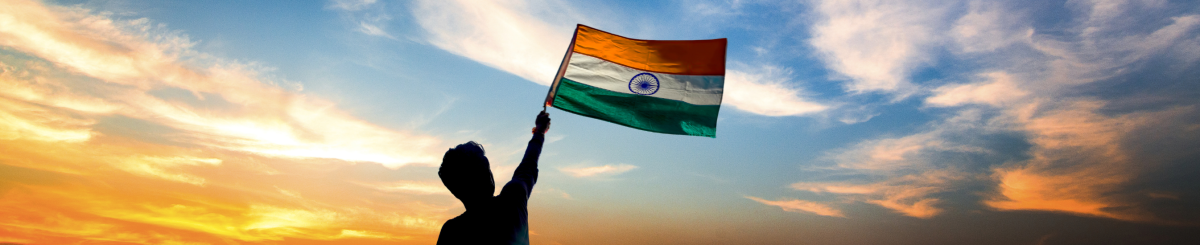
India celebrates Independence Day on August 15th to honour its freedom from British rule in 1947 and to pay tribute to the sacrifices of leaders like Mahatma Gandhi, Jawaharlal Nehru, and Sardar Vallabhbhai Patel. It’s a day to celebrate our hard-won freedom and reflect on our unity and resilience as a nation.
Independence Day in India features nationwide celebrations filled with enthusiasm and pride. The Prime Minister hoists the national flag at the Red Fort in Delhi, while schools, colleges, and communities across the country hold parades, cultural performances, and flag-hoisting ceremonies, fostering a unified sense of patriotism. Families decorate their homes with the tricolour, cook special meals, and participate in local events, while flying kites as a symbol of freedom.
Best Places to Witness Independence Day Celebrations
If you are planning to experience the festivity firsthand, these iconic locations offer a glimpse into the history of Indian Independence Day and national pride:
- Wagah Border: Known for its electrifying flag-lowering ceremony, it is a popular spot to witness intense patriotic fervour.
- National War Memorial: A solemn place to pay respects to the martyrs who sacrificed their lives for the nation.
- Red Fort: The central hub of Red Fort Independence Day celebration, where the Prime Minister hoists the flag and delivers a national address.
7 Unknown Facts About Indian Independence Day
To truly appreciate the history of Indian Independence Day, let’s dive into some fascinating and lesser-known historical insights:
1. How many years of independence is celebrated?
Every August 15, the nation marks another year of self-rule, reflecting on decades of growth since 1947.
2. Who hoists the national flag at the Red Fort?
The Prime Minister of India hoists the national flag at the Red Fort on Independence Day, followed by a nationally broadcast speech highlighting the nation’s progress and future goals.
3. Who gave independence to India?
India achieved independence from British colonial rule following years of nonviolent resistance, protests, and negotiations led by iconic figures like Mahatma Gandhi, Jawaharlal Nehru, and Subhas Chandra Bose.
4. Which Indian leader played a crucial role in negotiating terms?
Sardar Vallabhbhai Patel played a pivotal role in negotiating the terms of independence and was instrumental in integrating hundreds of princely states into the Indian Union post-independence.
5. What was the original date proposed for Indian Independence Day?
According to historical Indian Independence Day facts, the original date proposed for independence was June 3, 1948. It was later moved forward to August 1947 by Lord Mountbatten.
6. Why was August 15 chosen?
The August 15 date was chosen to commemorate the second anniversary of Japan’s surrender in World War II on August 15, 1945, symbolizing a new beginning and a smooth transfer of power.
7. What was the impact of the Quit India Movement?
Led by Mahatma Gandhi, the Quit India Movement was launched in August 1942 with the objective of demanding an immediate end to British rule through mass civil disobedience, setting the stage for eventual freedom.
Experience the Festivities Back Home
As the nation comes together in a vibrant display of unity and patriotism, what better way to celebrate than by taking a journey back home?
For the Indian diaspora looking for flights from Australia to India, Gaura Travel makes it easier than ever to reconnect with family. Explore exclusive cheap flights to India from Australia starting from just $589 with Gdeals, and secure your journey with only a 5% deposit—settling the rest later!
Embrace the festive spirit by traveling back home to experience the August 15 Independence Day India celebrations firsthand.
For more information, contact our 24/7 Customer Support on 1300 359 463 or visit gauratravel.com.au.
Frequently Asked Questions (FAQ)
India celebrates Independence Day on August 15th to commemorate the end of British colonial rule in 1947 and the birth of a free, sovereign nation.
The Prime Minister of India hoists the national flag at the historic Red Fort in Delhi and delivers an address to the nation, highlighting key achievements and future goals.
The original date proposed for transferring power was June 3, 1948. However, British Viceroy Lord Mountbatten moved the date forward to August 15, 1947, to mark the second anniversary of Japan’s surrender in World War II.
Sardar Vallabhbhai Patel played a crucial role in negotiating the terms of independence and was instrumental in politically integrating hundreds of princely states into the unified Indian Union.
Celebrations include flag-hoisting ceremonies, cultural programs in schools and communities, decorating homes with the tricolour, singing patriotic songs, and flying kites as a traditional symbol of freedom.