Categories
Featured

Mumbai to Sydney Flight: How to Find Business-Class Upgrades 

Dreaming of turning your Mumbai to Sydney flight into a luxurious escape? Upgrading to business class on this long-haul route (around 10,200 km, 12–14 hours depending on the airline) can transform the journey – think lie-flat beds, gourmet meals, priority boarding, lounge access, and generous baggage allowance to bring back souvenirs from the Opera House or Bondi Beach. 

Your journey will take you from India to Australia, connecting two vibrant country destinations. International travel between each country is seamless, with direct flights and convenient connections. Upon arrival, you’ll land at Sydney–Kingsford Smith Airport, the main international gateway to the city. Sydney Airport is known for its modern features, including multiple terminals, advanced passenger amenities, and excellent ground transport connections. The airport is conveniently located on a substantial site next to Botany Bay, occupying a large area of land that has seen significant development and expansion. Its proximity to the city center makes it highly accessible for travelers. 

Sydney Airport offers excellent transport links to the Sydney CBD and the western suburbs, with direct train services and major road connections such as the M5 South Western Motorway providing easy access to the west. 

The route is operated by major international carriers such as Qantas (often codeshared), Singapore Airlines, Cathay Pacific, Emirates, and Malaysia Airlines. Sydney Airport handles millions of passengers annually, serving as a major hub for international and domestic travel. The airport has completed major terminal upgrades and expansions, ensuring operational readiness and enhanced passenger experience. When checking in and boarding, you’ll use the airport’s terminal facilities, designed to streamline passenger flow and enhance comfort. Both on board and at the airport, a range of services are available to make your journey more enjoyable. 

Upgrading isn’t always straightforward, but with the right approach, you can score that upgrade without paying full business class fares. Here’s a practical guide based on what works in 2026. 

1. Leverage Qantas Frequent Flyer for Classic Upgrade Rewards  

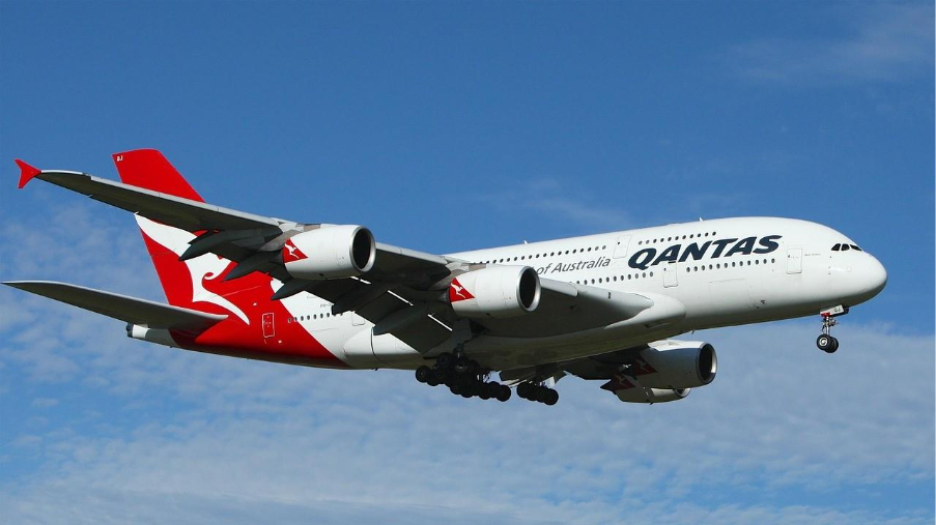
Premium travel to India on Qantas Airlines

If your Mumbai to Sydney itinerary includes a Qantas flight number (even on partners), Qantas Frequent Flyer offers one of the best paths. The Classic Upgrade Reward lets you use points to bump from economy or premium economy to business class, subject to availability. 

  • How it works: Book an eligible paid fare (avoid deep-discount economy like E, N, O, Q classes), then request the upgrade via the Qantas app, website (Manage Booking), or by calling. Upgrades are prioritised by status level (Platinum/Gold first), then points. Members are encouraged to request upgrades as far in advance as possible to increase their chances. 
  • Points required: For long-haul international like this route (Zone 4–6 equivalent in Qantas tables), expect 50,000–100,000+ points one-way depending on fare type and distance – fewer points if you start from premium economy. Exact amounts show during the request process. 
  • Tips for success: Have a clear plan for when to request upgrades—request early (up to 353 days out if Classic Flight Reward availability exists), or closer to departure (up to 10 hours before international flights). Monitor via the app – if cleared, you get priority boarding, lounge access, and extra perks. 

Many travellers snag these on less busy departures, especially mid-week. 

2. Bid for Upgrades with Bid Now  

Qantas’ Bid Now Upgrades is a cash (or cash + points) option that’s increasingly popular on international routes. 

  • Place a bid (minimum amounts can vary depending on the route and demand, often AUD $500–$1,500+ for long-haul) anytime from booking to ~10 hours before departure. 
  • You can mix cash and points if you’re a member. 
  • If accepted, enjoy business class for a fraction of the full price – great if your original economy ticket was cheap. 
  • Check eligibility and your bid status on the booking page of the airline’s website or app; bids are competitive but often succeed when seats remain open. 

3. On-Departure or Airport Upgrades  

In-airport upgrades to premium classes 

At the check-in terminal or gate at Mumbai Airport (BOM), ask about last-minute upgrades – especially if the flight isn’t full. Some airlines offer discounted cash upgrades (AUD $800–$2,000 range on similar routes). Upgraded passengers may also enjoy additional airport services, such as priority boarding, lounge access, and dedicated check-in counters. No guarantee, but polite enquiry + flexibility pays off. 

4. Book Flexible Fares or Premium Economy First  

Start with premium economy tickets – they often qualify for easier upgrades to business (fewer points needed, better chance), and your expected chances of securing an upgrade are higher compared to economy. Or choose fares that earn more points/status credits for future upgrades. 

5. Watch for Hidden Fees & Availability  

How hidden fees affect airfare 

Upgrades are subject to seat availability in the premium cabin. Always check for any important notice regarding upgrade availability or changes in fees, as these can affect your booking. Avoid hidden fees by checking total costs upfront (taxes, carrier charges). Points upgrades usually cover the cabin difference but not extras. Before confirming an upgrade, review the full terms and conditions to ensure you understand all requirements. 

How Gaura Travel Helps You Score These Upgrades & Save  

How Gaura Travel helps you get cheap upgrades 

Booking through a specialist makes upgrades more accessible and affordable. Gaura Travel has been the go-to for India-Australia routes since 2007, with insider access to the best options on Mumbai to Sydney journeys. Gaura Travel offers dedicated support throughout the upgrade process, ensuring a smooth experience from booking to boarding. Stay engaged with Gaura Travel for timely updates and exclusive offers on Mumbai to Sydney flights. 

GDeals – Exclusive Low Fares with Upgrade Potential  

Our GDeals deliver unbeatable Mumbai to Sydney flight prices, often on Qantas, Singapore Airlines, or Emirates. Take advantage of our ongoing sale on select flights, with special offers on return flights that can save you even more. These fares are upgrade-eligible and include a solid baggage allowance (30 kg+), meals, and entertainment. We also offer package deals that combine your flight with hotel stays for extra convenience and value. Plus, keep an eye out for contests where you could win free upgrades or even flights. We regularly beat airline sites by $100–$300, leaving more budget for upgrades. 

Buy Now Pay Later  

Secure your ticket with just AUD $5 today, then pay the balance weekly/fortnightly. Special Buy Now Pay Later offers may be available during March, April, or July—be sure to check for these limited-time promotions. Lock a flexible fare now, then use points or bids for business class later, which is perfect when upgrade offers appear. 

24/7 Expert Guidance  

Our team, which comprises both Hindi & English speakers, checks availability, compares upgrade paths across airlines—including Virgin Australia—and advises on Qantas Frequent Flyer requests or Bid Now timing. We monitor your booking, alert you to drop in prices or upgrade chances, and handle changes seamlessly. Our experience with prior booking trends and upgrade opportunities ensures you get the best advice, while our knowledge of the present upgrade and booking environment keeps you ahead. 

We can assist with flights to and from SYD (Sydney Airport), as well as other major cities like Brisbane and Melbourne. Whether you’re after the cheapest business class flights, premium economy stepping stones, or full upgrades, we build the itinerary that fits. Are you ready to upgrade your flight from Mumbai to Sydney? Don’t settle for economy when business class is within reach. The route to Sydney deserves comfort. 

Head to gauratravel.com.au or call 1300 359 463 now. Share your dates, location, and upgrade goals, and we’ll find the best deals, eligible fares, and strategies to get you that lie-flat seat. Discover more upgrade options and travel deals by contacting Gaura Travel. 

Categories
Featured

First-Time Flyer’s Checklist: Everything to Know Before You Fly to India  

Flying to India for the first time

If you’re planning to fly to India for the first time, congratulations! You’re in for one of the most colorful, diverse, and unforgettable experiences of your life. From the bustling streets of Mumbai and the historic charm of Delhi to the tranquil beaches of Goa and the tech-savvy lanes of Bangalore (now officially known as Bengaluru, a major tech hub in southern India), India is truly a world within a country. 

But before you pack your bags and book your ticket, it’s important to be prepared. A little planning can go a long way to ensure your journey is smooth and stress-free. Here’s your first-time flyer checklist. A complete guide to what you should know, pack, and prepare before you fly to India. 

1. Research the Best Time to Visit India  

Researching the best places to visit in India

India’s weather is as diverse as its culture. Before you finalize your travel plans, it’s important to know the best time to visit India based on the region and season. 

The monsoon season, which lasts from July to September, brings heavy rainfall to most parts of the country. August is a popular month for trekking in the Himalayas and coincides with several regional festivals, making it a unique time to visit certain parts of India. 

Understanding the Indian Weather  

The weather in India can change dramatically depending on where you go and what time of year you visit:  

Winter (October to February): This is the best time to travel to India. The skies are clear, humidity levels are low, and most regions enjoy pleasant sunshine. Delhi, Agra, and Rajasthan experience cool and dry conditions, perfect for exploring. Goa and Kerala also offer ideal beach weather during this season.  

Summer (March to June): Expect high temperatures and intense heat, especially in northern cities like Delhi and Jaipur. If you can handle the warmth, this is a great time to visit the hill stations in Himachal Pradesh or Uttarakhand.  

Monsoon (July to September): The rains bring lush greenery to India. Mumbai, Bangalore, and Hyderabad receive moderate to heavy rainfall. While monsoon travel can be beautiful, keep in mind that humidity levels can rise, and travel disruptions may occur in some regions.  

Current Weather Tip: Before you fly to India, always check the current weather in your destination city. Websites and weather apps will give you real-time updates on temperatures, humidity levels, and clear skies.  

Pro tip: If you’re coming from Australia, the best time to fly to India is during your summer holidays, from December to February, when India enjoys its coolest, most travel-friendly season.  

2. Know the Major Cities and Regions  

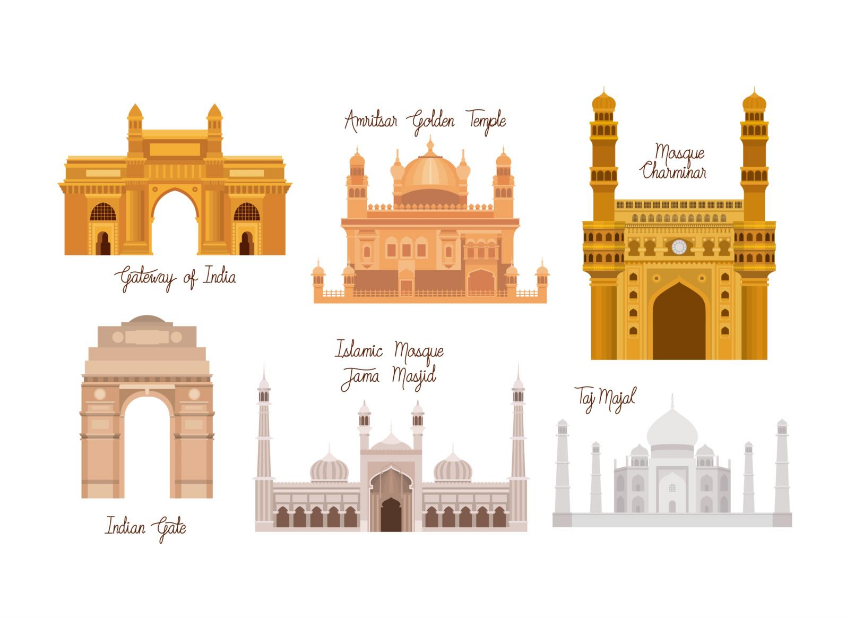
Tourist spots in India

India’s vast landscape stretches from the Himalayas in the north to the Indian Ocean in the south. Knowing where you’re heading will help you plan better. 

Delhi: A bustling metropolis blending old and new, famous for its markets, monuments, and street food. 

New Delhi: The capital city, New Delhi, serves as a key gateway to India’s cultural and historical sites. It is a major stop on the Golden Triangle tourist circuit, offering access to iconic landmarks, museums, and vibrant neighborhoods. 

Popular Destinations  

Delhi: The capital city is a mix of history and modernity. Explore the Red Fort, Humayun’s Tomb, and bustling markets in Chandni Chowk. 

Mumbai: Known as the “City of Dreams,” Mumbai is India’s financial hub and home to Bollywood. Expect vibrant nightlife, sea views, and humid weather. 

Bangalore: The Silicon Valley of India. Great for tech lovers, coffee enthusiasts, and those who enjoy pleasant year-round temperatures. 

Hyderabad: A blend of old-world charm and modern growth. Don’t miss the Charminar and world-famous biryani. 

Agra: Famous for being part of India’s Golden Triangle tourist circuit, Agra is home to the Taj Mahal, a world-famous mausoleum renowned for its exquisite architecture and cultural significance. The Taj Mahal is a must-see attraction for visitors. 

Goa: Ideal for those seeking sun, sand, and rest. It’s a top choice if you’re planning a beach vacation with plenty of sunshine and relaxation. 

Each region has its own climate, cuisine, and culture, so plan accordingly. 

3. Check Visa and Entry Requirements  

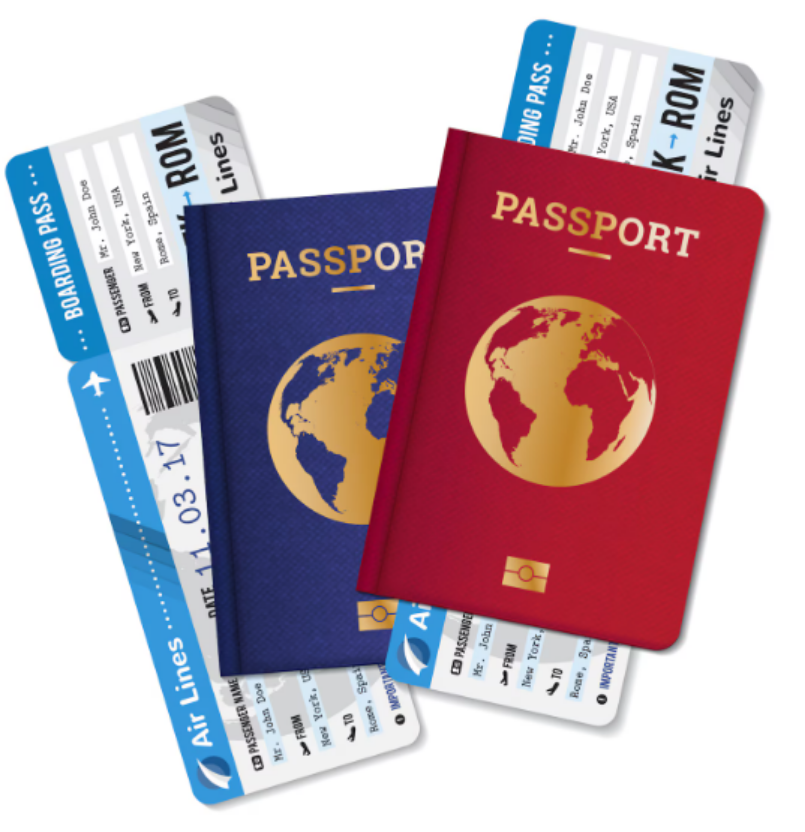
Documents needed for travel to India

Before you fly to India, make sure your travel documents are in order. 

Additionally, consider creating a travel account or profile on booking platforms to efficiently manage your train tickets, hotel reservations, and other travel logistics, especially during peak seasons. 

Visa Information  

Most foreign nationals, including Australians, need a visa to enter India. You can apply for an e-Visa online, the process is simple and usually takes a few days. Make sure your passport is valid for at least six months from your date of arrival and has two blank pages for immigration stamps.  

Other Entry Essentials  

Carry a printed copy of your visa approval.  

Keep your return flight ticket and hotel bookings handy, immigration officers may ask to see them. Make sure you’ve filled out the Air Suvidha form, if required.  

4. Book Flights and Compare Deals  

Booking flight tickets online

There are many airlines offering direct and connecting flights to India. When booking your ticket, consider: 

Timing: If you prefer clear skies and less turbulence, early morning or late-night flights are often smoother. 

Destination: Major cities like Delhi, Mumbai, Bangalore, and Hyderabad are international gateways. Choosing the right airport, such as DEL (Indira Gandhi International Airport in New Delhi), can help you find the best fares on India flights. For travelers departing from Melbourne (MEL), searching for flights to India in AUD can help you identify the cheapest airport and the best deal. 

Cost: Use online platforms to compare cheap flights and deals from hundreds of airlines, allowing you to select flights that fit your budget. Searching and booking can be done in seconds on most platforms. Entering flexible travel dates, including specific days like Mon, Tue, Wed, or Fri, can help you find the lowest fares. Keep an eye on special deals and sign up for alerts to get notified about the latest offers. 

Why Book with Gaura Travel  

If you’re flying from Australia, Gaura Travel is one of the most trusted names for affordable flights to India. With over 18 years of experience helping Indians reconnect with loved ones, Gaura Travel specialises in affordable, flexible, and reliable flight options from Australia to India.  

Here’s what makes them stand out:  

All-inclusive pricing with no hidden fees.   

Exclusive India flight deals throughout the year.   

Book Now, Pay Later option that lets you book with just 45 and pay balance in weekly instalments  

24×7 customer support across time zones.   

GDeals  that provide exclusives fares with Qantas, Singapore Airlines, Malaysia Airlines and Cathay Pacific.   

30KG luggage, meals, and entertainment inclusive  

Whether you’re travelling for family, festivals, or just to explore, booking through Gaura Travel ensures your journey is smooth, affordable, and stress-free. Visit www.gauratravel.com.au to discover ongoing offers and plan your next trip with confidence.  

5. Learn About India’s Festivals  

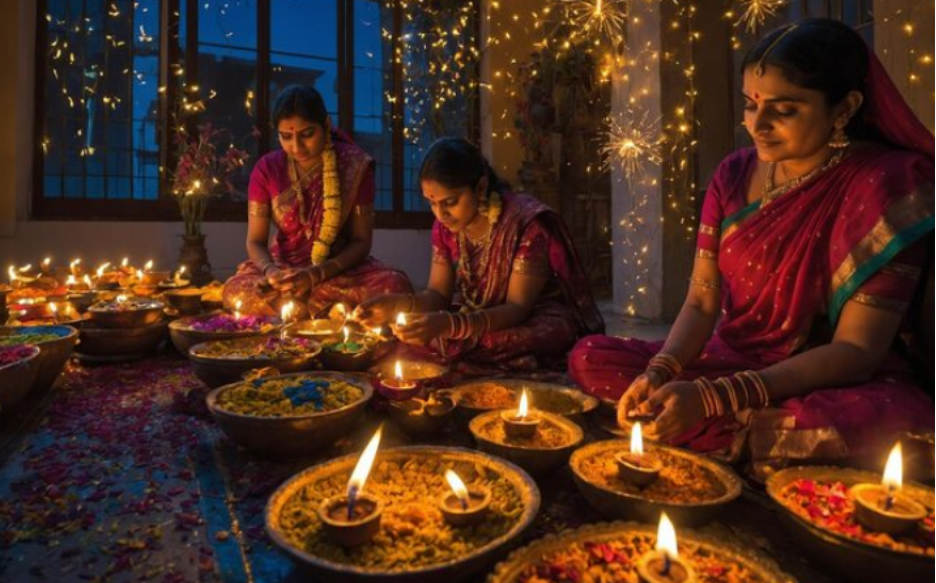
Festivals in India

India celebrates something almost every month, and flying during a festival in India can make your trip even more magical.  

Popular Festivals  

Diwali (October–November): The festival of lights. Expect fireworks, sweets, and dazzling cityscapes.  

Holi (March): The festival of colors, a must-experience celebration of joy, unity, and fun.  

Navratri and Dussehra (September–October): A celebration of good over evil with music, dance, and devotion.  

Eid and Christmas: Widely celebrated across the world’s most diverse country.  

If you’re planning to fly to India today, check out the India festival calendar to see if a celebration is happening. Just keep in mind, during big festivals, flights and hotels can book out fast.  

6. Health, Safety, and Travel Insurance  

Health Tips for travel to India

No one likes to think about emergencies on vacation, but it’s better to be safe than sorry.  

Health Tips  

Stay hydrated, especially if you’re visiting during summer or in humid regions like Mumbai and Goa.  

Avoid drinking tap water, stick to bottled water.  

Carry basic medicines for fever, stomach issues, and allergies.  

If you’re visiting rural areas, consider vaccinations as advised by your doctor.  

Travel Insurance  

Buy comprehensive travel insurance that covers medical emergencies, lost baggage, flight cancellations, and trip delays. This adds peace of mind and lets you truly relax.  

7. Packing Checklist  

Packing tips for your next journey

Packing for India depends on when and where you’re going. Here’s a quick guide:  

Clothing  

Winter (October–February): Pack light sweaters, jeans, and comfortable layers. Northern India can get cold, especially early mornings.  

Summer (March–June): Breathable cotton clothes are a must. Carry sunscreen, sunglasses, and a hat to protect against the heat and sunshine.  

Monsoon (July–September): Bring a light rain jacket, waterproof shoes, and a quick-dry towel.  

Essentials  

Passport and travel documents  

Travel insurance papers  

Chargers and adapters (India uses Type C, D, and M plugs)  

Toiletries and personal hygiene products  

A reusable water bottle  

Lightweight backpack for day trips  

8. Get to Know Indian Customs and Etiquette  

Indian customs and traditions

India is known for its hospitality, but social norms can be different from what you’re used to.  

Do’s  

Greet people with a polite “Namaste” and a smile.  

Remove your shoes before entering temples or homes.  

Dress modestly, especially in rural areas and religious sites.  

Don’ts  

Avoid public displays of affection.  

Don’t touch anyone’s head, it’s considered sacred.  

Avoid using your left hand for eating or giving items; it’s traditionally seen as unclean.  

A respectful attitude goes a long way, locals will appreciate your effort to understand their culture.  

9. Transportation and Getting Around  

Public Transport in India

Once you land, you’ll find plenty of options to get around:  

Taxis and Ride-Sharing: Apps like Ola, Uber, and more are available in most cities.  

Trains: India’s railway network is one of the largest in the world — ideal for long-distance travel.  

Domestic Flights: For faster connections between cities, book local airlines like IndiGo, Vistara, or Air India.  

Auto Rickshaws: A fun (and affordable) way to explore local areas. Just remember to agree on the fare before the ride.  

10. Currency and Payments  

Exchange rate to INR

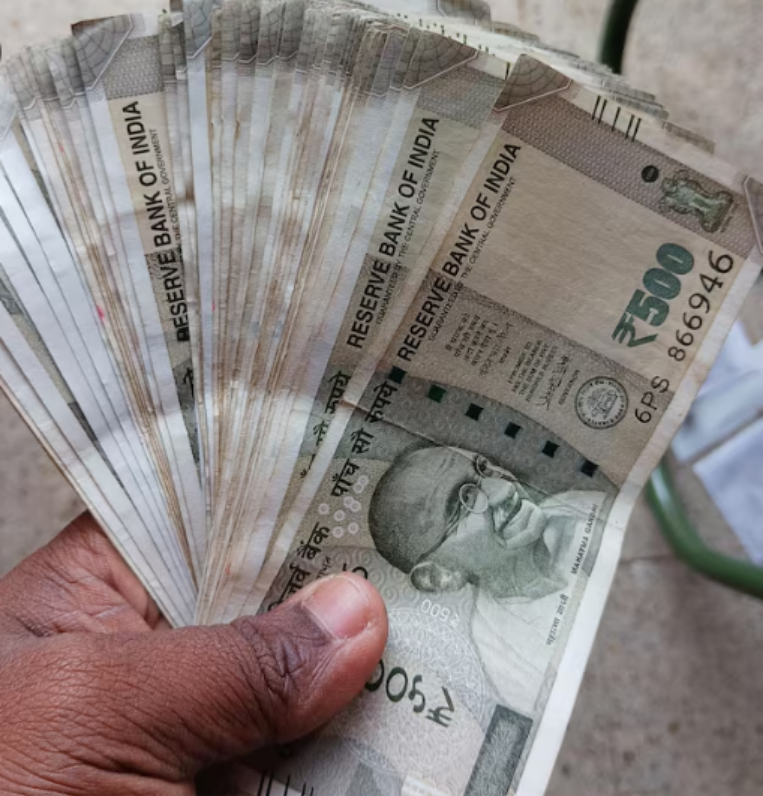
The local currency is the Indian Rupee (INR).  

Credit and debit cards are accepted in most cities, but always carry some cash for small purchases.  

UPI payments (using apps like Google Pay or PhonePe) are widely used, even for roadside shops.  

ATMs are available almost everywhere, but check your international withdrawal fees before you go.  

11. Stay Connected  

E-Sims for India

To stay in touch, buy a local SIM card upon arrival. Major providers include Airtel, Jio, and VI. You’ll need to show your passport and visa for verification. Alternatively, use international roaming or portable Wi-Fi if you prefer convenience.  

12. Adjust to the Time Zone  

Adapting to IST and beating the jet lag

India operates on Indian Standard Time (IST), which is UTC +5:30.  

If you’re flying from Australia, the time difference can be anywhere between 4 to 6 hours depending on your location and the season.  

Try adjusting your sleep schedule a few days before your flight to minimize jet lag and enjoy your trip from the moment you land.  

13. Mind the Seasons When You Pack and Plan  

What to wear in India

If you’re visiting in March or April, expect rising temperatures and occasional fog in northern regions.  

In October, the weather begins to cool, and clear skies make it ideal for sightseeing.  

By February, winter begins to fade, the perfect time to explore cities like Delhi, Jaipur, or Agra without worrying about the heat.  

Keep the weather in mind while planning your itinerary to avoid unpleasant surprises.  

14. Respect the Environment and Local Communities  

India’s natural beauty, from the Himalayan peaks to the beaches of Goa, is breathtaking. But tourism can put pressure on these fragile environments.  

Travel responsibly:  

Avoid single-use plastics.  

Respect wildlife sanctuaries and heritage sites.  

Support local businesses and artisans.  

Your small choices can make a big difference in preserving India’s charm for future travelers.  

15. Be Open-Minded and Curious  

No guide can fully prepare you for India, and that’s what makes it special. 

Every location feels like a new world, every region offers a unique story, and every moment invites you to discover something new. India’s food scene is as diverse as its culture, with each region offering unique and flavorful dishes for travelers to discover. 

From the spiritual serenity of Varanasi to the nightlife of Goa, India is a land of contrasts, sometimes chaotic, often overwhelming, but always full of heart. 

So as you prepare to fly to India, keep your mind open, your plans flexible, and your spirit ready for adventure. 

Conclusion: Your Journey Begins Here  

Traveling to India for the first time can feel daunting, but with the right preparation, it becomes a life-changing experience. From checking the current weather and festival calendar to packing smart and understanding local customs, this checklist ensures your first flight to India goes smoothly.  

And when it comes to booking your ticket, choosing the right travel partner makes all the difference. That’s where Gaura Travel comes in, a trusted name for over 18 years, helping thousands of travelers reconnect with loved ones and explore India with ease. Known for its affordable and reliable flight options, Gaura Travel offers exclusive India flight deals with top airlines like Qantas, Singapore Airlines, Malaysia Airlines, and Cathay Pacific.  

Every ticket booked with Gaura Travel comes with all-inclusive fares, covering generous 30kg baggage allowance, in-flight meals, and onboard entertainment, so you get comfort and value in one go. Plus, their transparent pricing ensures there are no hidden fees, and with 24×7 customer support, you’re never alone, no matter where you are in the world.  

So before you fly to India, let Gaura Travel take care of your flights, and you can focus on what really matters: creating memories that will last a lifetime. Visit www.gauratravel.com.au. You can also download our Gaura Travel Mobile App, available both on Android and iOS, to get real-time notifications on Australia to India flight deals.   

Categories
Featured

Route Options Explained – Non-Stop vs One-Stop Flights From Australia 

Researching routes from Australia to India

If you’re planning to fly to India soon, you’re probably weighing the age-old question every traveler from Australia faces: Should I book a non-stop flight or choose a one-stop route? With India being a country of vibrant traditions, diverse landscapes, and year-round travel opportunities, from the colourful chaos of festival India celebrations happening today to the calm charm of winter sunshine, the route you choose can shape your entire travel experience. And unlike a simple search for “cheapest flight”, this decision is more nuanced. It depends on your comfort, timings, budget, the weather in India, and even which city, Mumbai, Delhi, Bangalore, or Hyderabad, you’re headed to. Don’t forget to consider Agra, Jaipur, and New Delhi as part of the famous Golden Triangle, with Agra’s Taj Mahal being a must-see. Kolkata is another cultural hub and cost-effective airport, while Kerala offers natural beauty and tranquil backwaters. When planning your trip, keep in mind India’s rich culture, national parks, temples, and Kerala’s scenic landscapes. 

In this blog, we break down both options, helping you understand what works best for your travel style, your wallet, and the time of year you’re travelling. Selecting the right travel date is crucial—use tools to compare flight deals, including flights on days like Tue and Sun, to find the best value. You can read information and reviews to help select the best India flights, and a list of options can help you make informed decisions. When searching for flights, look for DEL as the airport code for New Delhi, and keep an eye out for other flights and alternative routes to select the best trip for your needs. 

Whether you choose a non-stop flight for speed or a one-stop route for flexibility and savings, the right planning can transform a long journey into a comfortable experience. Keep an eye out for the best deals and cheap flights—set up price alerts or sign up for notifications to stay updated on exclusive offers and flight deal opportunities. Remember, your trip is a complete experience, not just a flight, and India is one of the world’s most popular and dynamic destinations. 

Gaura Travel is Australia’s trusted travel partner, specialising in affordable and reliable flights between Australia and India. With great deals available throughout the year, Gaura Travel has become the first choice for Indians living in Australia when it comes to booking flights back home. Here’s what truly makes Gaura Travel your best way home: 

1. Offers Throughout the Year   

From festive specials and seasonal discounts to last-minute deals, Gaura Travel brings you value-driven offers all year round. Whether you’re travelling for a wedding, a festival, an emergency, or a long-awaited family visit, you’ll always find competitive fares that fit your budget. Check out our latest offer here.   

2. Book Now, Pay Later (BNPL)  

Travel without financial stress with flexible Book Now, Pay Later option. You can book your flight with just $5 and pay the remaining balance in weekly instalments starting from $20.  

3. Exclusive Perks  

Enjoy added benefits that go beyond just booking a ticket. This included 30 kg baggage allowance, in-flight meals and entertainment. Gaura Travel ensures you get more value, more convenience, and more peace of mind.  

 4. 24×7 Customer Support  

Travel plans can change at any time, and help should be available when you need it. With round-the-clock customer support, Gaura Travel is always just a call or message away, ready to assist you before, during, and even after your journey.  

If you’re planning to fly to India soon, explore flight options with Gaura Travel and let our experts help you choose the route that truly works for you. Because the journey matters just as much as the destination.  

Non-Stop vs One-Stop Flights to India: Why Your Route Choice Matters  

Different flight routes to India

Most travelers assume all flights are the same, just long hours in the sky separated by movies, naps, and in-flight meals. But when you fly to India, the route you choose can affect everything from your layover experience to your jet lag, arrival comfort, and even how you sync with the current weather or the season you’re entering.  

India is massive, stretching from the humid coasts of Goa to the foggy plains of Delhi in February, to the bustling warmth of Mumbai in October, to the cool, pleasant winter evenings of Bangalore. That’s why, before choosing between non-stop and one-stop flights, it’s helpful to keep in mind the region, the time, and the temperatures you’ll land into.  

With that in mind, here’s your complete, clear, and easy-to-follow breakdown of both flight options.  

Non-Stop Flights to India: Convenience at Its Best  

Non-stop flights are the closest thing to teleportation for travelers. They take you from point A in Australia to point B in India, no detours, no layovers, no airport hopping. Just buckle in, rest, eat, stretch, and arrive.  

Why Travelers Love Non-Stop Flights  

Non stop flights to India

The biggest advantage? Time.  

A typical non-stop journey from Australia to India takes around 12–14 hours, depending on your departure city and your destination in India. When compared to one-stop flights that may stretch to 18, 20, or even 30 hours, this is a massive win.  

If you dislike airport chaos, want to avoid the risk of missing connections, or prefer a simple, straightforward plan, a non-stop route is ideal. You board once. You land once. There’s comfort in that simplicity.  

This option is especially loved by:  

  • Travelers visiting during festival India seasons like Diwali, Durga Puja, or Holi, when flights are packed and everyone wants to minimise travel fatigue.  
  • Families with kids or elderly passengers who need stability and no rush between gates.  
  • People travelling during extreme India weather phases, such as monsoon or heat waves, when delays are more common.  
  • Frequent business travelers who need to land, check in, and start their work day almost immediately.  

The Experience Onboard  

In flight experience for travel to India

Because the flight is long but uninterrupted, travelers often describe non-stop journeys as mentally easier. You get into your seat and settle into a rhythm, movies, short naps, an occasional stretch, and meals. Many say it even feels faster because there’s no break in momentum.  

And there’s something comforting about knowing you’ll wake up to the sound of the captain saying, “We’ll be landing in Delhi soon,” or “Welcome to Mumbai,” instead of waking up mid-layover trying to locate your next gate.  

The Downsides of Non-Stop Flights  

Problems on non stop flights to India

Convenience comes at a cost. Literally.  

Non-stop flights to India are almost always more expensive than one-stop flights. During peak travel months like March, April, October, or times when travelers flood airports for festivals, the prices jump even higher.  

Another thing to keep in mind is availability. Not every Australian city is connected to every Indian city directly. And since aircraft that operate long-haul non-stop flights are limited, seats fill quickly.  

You also have fewer options if you want flexible timings, especially when trying to align your arrival with the weather to India, such as landing early morning in winter to enjoy crisp clear skies or arriving late evening during summer to avoid the heat.  

One-Stop Flights to India: Flexibility, Value, and More Choices  

One-stop flights are the most popular choice among travelers who want to balance comfort with affordability. These flights break your journey into two manageable sections, usually stopping at well-connected hubs such as Singapore, Kuala Lumpur, Bangkok, Dubai, or Doha.  

Why One-Stop Flights Are the Traveler’s Favourite  

Benefits on one-stop flights to India

The biggest attraction? Cost savings.  

If you’re a budget traveler, or simply someone who prefers spending more on shopping, food, or experiences once you reach India, one-stop flights offer excellent value. Sometimes, the price difference between a non-stop and a one-stop flight can be as much as $400–$600.  

But that’s not all.  

One-stop routes also give you:  

  • More departure times  
  • More airlines to choose from  
  • More destination combinations, perfect if you want to land directly in cities like Hyderabad, Goa, or Bangalore  

They’re also ideal during seasons when humidity levels, fog, or monsoon disrupt India’s major airports. A layover in the middle gives more buffer time and reduces the stress of long delays.  

The Experience During a Layover  

Layover experiences on trips to India

Many travelers enjoy the pause.  

It gives you a chance to stretch, explore duty-free shops, grab a meal, or simply walk around to reset your body clock. Long flights can feel draining, but breaking them into two segments often makes the journey feel shorter.  

Some airports like Changi or Doha even offer quiet lounges, nap zones, play areas for kids, and day rooms, making the stopover experience surprisingly pleasant.  

A one-stop journey also aligns well with the excitement of travel. Many describe it as the halfway mark, giving a sense of progress before the final leg to India.  

The Downsides of One-Stop Flights  

Of course, the trade-off for flexibility and better pricing is time. One-stop flights often take between 16–25 hours, and depending on connection delays, they can even stretch to 30 hours. If the weather in India involves fog in Delhi during January or monsoon in Mumbai during July, flight schedules may get shuffled, increasing layover times. And while modern airports are comfortable, long layovers can still cause:  

  • travel fatigue  
  • disrupted sleep  
  • stress about connecting flights  
  • long waiting hours  

For some travelers, especially parents with toddlers or elderly passengers, this can be a deal-breaker.  

Which Should You Choose? Non-Stop vs One-Stop Flights to India  

Now that you know how both options work, let’s break it down based on different travel situations so you can choose what suits you best.  

Choose Non-Stop Flights If:  

  • You want speed and convenience  
  • You prefer to avoid the risk of missing connections  
  • You’re travelling for a wedding, festival, or urgent visit  
  • You want to reach during a specific time of day  
  • You dislike long airport waits  
  • You’re flying during monsoon or winter fog seasons  

Non-stop flights give you predictability. You know exactly when you’ll land, how long your journey will take, and what to expect at each point.  

Choose One-Stop Flights If:  

  • You want to save money  
  • You’re flexible with timing  
  • You enjoy exploring airports during transit  
  • You want more airline choices  
  • You prefer breaking a long journey into two parts  
  • You’re travelling during crowded seasons like March, April, or October  

For many travelers, a well-timed layover, even a long one, offers the perfect balance between comfort and affordability.  

Factoring in Weather, Festivals & Timing  

Weather in India right now

While choosing how to fly to India, always consider the India weather and the season you’re landing in.  

  1. Winter (November–February): Delhi may have fog, so non-stops are safer. Mumbai and Goa offer beautiful clear skies and pleasant temperatures.  
  1. Summer (March–June): North India gets extremely hot, so some travellers prefer landing in the evening. One-stop flights give more timing options to avoid the peak heat.  
  1. Monsoon (June–September): Mumbai, Goa, Bangalore, and Hyderabad see rain. One-stop flights add flexibility in case of delays.  
  1. Festival Seasons: During popular today India festival times like Diwali or Holi, airports get crowded and flights fill up fast. A non-stop helps you arrive quickly, but a one-stop helps you find better deals.  

Final Thoughts: What’s the Best Way to Fly to India?  

There’s no universal answer, only what works best for you. Whether you prefer a direct, uninterrupted ride or you want to explore a world-class airport mid-journey, both options have unique benefits.  

The key is to consider:  

  • your travel style   
  • your budget  
  • your destination  
  • your comfort levels  
  • the current weather and season in India  

At the end of the day, the goal is simple: reach India feeling energised, excited, and ready to embrace everything, from the vibrant chaos of the cities to the soft sunshine of its beaches, from winter rest to summer heat, from noisy bazaars to spiritual calm. Whether you choose non-stop or one-stop, India is always worth the journey.  

If you’re planning to travel to India soon, check out Gaura Travel.   

Categories
General Tips

First-Time Flyer’s Checklist: Everything to Know Before You Fly to India 


If you’re planning to fly to India for the first time, congratulations! You’re in for one of the most colorful, diverse, and unforgettable experiences of your life. From the bustling streets of Mumbai and the historic charm of Delhi to the tranquil beaches of Goa and the tech-savvy lanes of Bangalore (now officially known as Bengaluru, a major tech hub in southern India), India is truly a world within a country. 

But before you pack your bags and book your ticket, it’s important to be prepared. A little planning can go a long way to ensure your journey is smooth and stress-free. Here’s your first-time flyer checklist. A complete guide to what you should know, pack, and prepare before you fly to India. 

1. Research the Best Time to Visit India  

India’s weather is as diverse as its culture. Before you finalize your travel plans, it’s important to know the best time to visit India based on the region and season. 

The monsoon season, which lasts from July to September, brings heavy rainfall to most parts of the country. August is a popular month for trekking in the Himalayas and coincides with several regional festivals, making it a unique time to visit certain parts of India. 

Understanding the Indian Weather  

The weather in India can change dramatically depending on where you go and what time of year you visit:  

Winter (October to February): This is the best time to travel to India. The skies are clear, humidity levels are low, and most regions enjoy pleasant sunshine. Delhi, Agra, and Rajasthan experience cool and dry conditions, perfect for exploring. Goa and Kerala also offer ideal beach weather during this season.  

Summer (March to June): Expect high temperatures and intense heat, especially in northern cities like Delhi and Jaipur. If you can handle the warmth, this is a great time to visit the hill stations in Himachal Pradesh or Uttarakhand.  

Monsoon (July to September): The rains bring lush greenery to India. Mumbai, Bangalore, and Hyderabad receive moderate to heavy rainfall. While monsoon travel can be beautiful, keep in mind that humidity levels can rise, and travel disruptions may occur in some regions.  

Current Weather Tip: Before you fly to India, always check the current weather in your destination city. Websites and weather apps will give you real-time updates on temperatures, humidity levels, and clear skies.  

Pro tip: If you’re coming from Australia, the best time to fly to India is during your summer holidays, from December to February, when India enjoys its coolest, most travel-friendly season.  

2. Know the Major Cities and Regions  

India’s vast landscape stretches from the Himalayas in the north to the Indian Ocean in the south. Knowing where you’re heading will help you plan better. 

Delhi: A bustling metropolis blending old and new, famous for its markets, monuments, and street food. 

New Delhi: The capital city, New Delhi, serves as a key gateway to India’s cultural and historical sites. It is a major stop on the Golden Triangle tourist circuit, offering access to iconic landmarks, museums, and vibrant neighborhoods. 

Delhi: The capital city is a mix of history and modernity. Explore the Red Fort, Humayun’s Tomb, and bustling markets in Chandni Chowk. 

Mumbai: Known as the “City of Dreams,” Mumbai is India’s financial hub and home to Bollywood. Expect vibrant nightlife, sea views, and humid weather. 

Bangalore: The Silicon Valley of India. Great for tech lovers, coffee enthusiasts, and those who enjoy pleasant year-round temperatures. 

Hyderabad: A blend of old-world charm and modern growth. Don’t miss the Charminar and world-famous biryani. 

Agra: Famous for being part of India’s Golden Triangle tourist circuit, Agra is home to the Taj Mahal, a world-famous mausoleum renowned for its exquisite architecture and cultural significance. The Taj Mahal is a must-see attraction for visitors. 

Goa: Ideal for those seeking sun, sand, and rest. It’s a top choice if you’re planning a beach vacation with plenty of sunshine and relaxation. 

Each region has its own climate, cuisine, and culture, so plan accordingly. 

3. Check Visa and Entry Requirements  

Before you fly to India, make sure your travel documents are in order. 

Additionally, consider creating a travel account or profile on booking platforms to efficiently manage your train tickets, hotel reservations, and other travel logistics, especially during peak seasons. 

Visa Information  

Most foreign nationals, including Australians, need a visa to enter India. You can apply for an e-Visa online, the process is simple and usually takes a few days. Make sure your passport is valid for at least six months from your date of arrival and has two blank pages for immigration stamps.  

Other Entry Essentials  

Carry a printed copy of your visa approval.  

Keep your return flight ticket and hotel bookings handy, immigration officers may ask to see them. Make sure you’ve filled out the Air Suvidha form, if required.  

4. Book Flights and Compare Deals  

There are many airlines offering direct and connecting flights to India. When booking your ticket, consider: 

Timing: If you prefer clear skies and less turbulence, early morning or late-night flights are often smoother. 

Destination: Major cities like Delhi, Mumbai, Bangalore, and Hyderabad are international gateways. Choosing the right airport, such as DEL (Indira Gandhi International Airport in New Delhi), can help you find the best fares on India flights. For travelers departing from Melbourne (MEL), searching for flights to India in AUD can help you identify the cheapest airport and the best deal. 

Cost: Use online platforms to compare cheap flights and deals from hundreds of airlines, allowing you to select flights that fit your budget. Searching and booking can be done in seconds on most platforms. Entering flexible travel dates, including specific days like Mon, Tue, Wed, or Fri, can help you find the lowest fares. Keep an eye on special deals and sign up for alerts to get notified about the latest offers. 

Why Book with Gaura Travel  

If you’re flying from Australia, Gaura Travel is one of the most trusted names for affordable flights to India. With over 18 years of experience helping Indians reconnect with loved ones, Gaura Travel specialises in affordable, flexible, and reliable flight options from Australia to India.  

Here’s what makes them stand out:  

All-inclusive pricing with no hidden fees.   

Exclusive India flight deals throughout the year.   

Book Now, Pay Later option that lets you book with just 45 and pay balance in weekly instalments  

24×7 customer support across time zones.   

GDeals  that provide exclusives fares with Qantas, Singapore Airlines, Malaysia Airlines and Cathay Pacific.   

30KG luggage, meals, and entertainment inclusive  

Whether you’re travelling for family, festivals, or just to explore, booking through Gaura Travel ensures your journey is smooth, affordable, and stress-free. Visit https://gauratravel.com.au/ to discover ongoing offers and plan your next trip with confidence.  

5. Learn About India’s Festivals  

India celebrates something almost every month, and flying during a festival in India can make your trip even more magical.  

Popular Festivals  

Diwali (October–November): The festival of lights. Expect fireworks, sweets, and dazzling cityscapes.  

Holi (March): The festival of colors, a must-experience celebration of joy, unity, and fun.  

Navratri and Dussehra (September–October): A celebration of good over evil with music, dance, and devotion.  

Eid and Christmas: Widely celebrated across the world’s most diverse country.  

If you’re planning to fly to India today, check out the India festival calendar to see if a celebration is happening. Just keep in mind, during big festivals, flights and hotels can book out fast.  

6. Health, Safety, and Travel Insurance  

No one likes to think about emergencies on vacation, but it’s better to be safe than sorry.  

Health Tips  

Stay hydrated, especially if you’re visiting during summer or in humid regions like Mumbai and Goa.  

Avoid drinking tap water, stick to bottled water.  

Carry basic medicines for fever, stomach issues, and allergies.  

If you’re visiting rural areas, consider vaccinations as advised by your doctor.  

Travel Insurance  

Buy comprehensive travel insurance that covers medical emergencies, lost baggage, flight cancellations, and trip delays. This adds peace of mind and lets you truly relax.  

7. Packing Checklist  

Packing for India depends on when and where you’re going. Here’s a quick guide:  

Clothing  

Winter (October–February): Pack light sweaters, jeans, and comfortable layers. Northern India can get cold, especially early mornings.  

Summer (March–June): Breathable cotton clothes are a must. Carry sunscreen, sunglasses, and a hat to protect against the heat and sunshine.  

Monsoon (July–September): Bring a light rain jacket, waterproof shoes, and a quick-dry towel.  

Essentials  

Passport and travel documents  

Travel insurance papers  

Chargers and adapters (India uses Type C, D, and M plugs)  

Toiletries and personal hygiene products  

A reusable water bottle  

Lightweight backpack for day trips  

8. Get to Know Indian Customs and Etiquette  

India is known for its hospitality, but social norms can be different from what you’re used to.  

Do’s  

Greet people with a polite “Namaste” and a smile.  

Remove your shoes before entering temples or homes.  

Dress modestly, especially in rural areas and religious sites.  

Don’ts  

Avoid public displays of affection.  

Don’t touch anyone’s head, it’s considered sacred.  

Avoid using your left hand for eating or giving items; it’s traditionally seen as unclean.  

A respectful attitude goes a long way, locals will appreciate your effort to understand their culture.  

9. Transportation and Getting Around  

Once you land, you’ll find plenty of options to get around:  

Taxis and Ride-Sharing: Apps like Ola, Uber, and more are available in most cities.  

Trains: India’s railway network is one of the largest in the world — ideal for long-distance travel.  

Domestic Flights: For faster connections between cities, book local airlines like IndiGo, Vistara, or Air India.  

Auto Rickshaws: A fun (and affordable) way to explore local areas. Just remember to agree on the fare before the ride.  

10. Currency and Payments  

The local currency is the Indian Rupee (INR).  

Credit and debit cards are accepted in most cities, but always carry some cash for small purchases.  

UPI payments (using apps like Google Pay or PhonePe) are widely used, even for roadside shops.  

ATMs are available almost everywhere, but check your international withdrawal fees before you go.  

11. Stay Connected  

To stay in touch, buy a local SIM card upon arrival. Major providers include Airtel, Jio, and VI. You’ll need to show your passport and visa for verification. Alternatively, use international roaming or portable Wi-Fi if you prefer convenience.  

12. Adjust to the Time Zone  

India operates on Indian Standard Time (IST), which is UTC +5:30.  

If you’re flying from Australia, the time difference can be anywhere between 4 to 6 hours depending on your location and the season.  

Try adjusting your sleep schedule a few days before your flight to minimize jet lag and enjoy your trip from the moment you land.  

13. Mind the Seasons When You Pack and Plan  

If you’re visiting in March or April, expect rising temperatures and occasional fog in northern regions.  

In October, the weather begins to cool, and clear skies make it ideal for sightseeing.  

By February, winter begins to fade, the perfect time to explore cities like Delhi, Jaipur, or Agra without worrying about the heat.  

Keep the weather in mind while planning your itinerary to avoid unpleasant surprises.  

14. Respect the Environment and Local Communities  

India’s natural beauty, from the Himalayan peaks to the beaches of Goa, is breathtaking. But tourism can put pressure on these fragile environments.  

Travel responsibly:  

Avoid single-use plastics.  

Respect wildlife sanctuaries and heritage sites.  

Support local businesses and artisans.  

Your small choices can make a big difference in preserving India’s charm for future travelers.  

15. Be Open-Minded and Curious  

No guide can fully prepare you for India, and that’s what makes it special. 

Every location feels like a new world, every region offers a unique story, and every moment invites you to discover something new. India’s food scene is as diverse as its culture, with each region offering unique and flavorful dishes for travelers to discover. 

From the spiritual serenity of Varanasi to the nightlife of Goa, India is a land of contrasts, sometimes chaotic, often overwhelming, but always full of heart. 

So as you prepare to fly to India, keep your mind open, your plans flexible, and your spirit ready for adventure. 

Conclusion: Your Journey Begins Here  

Traveling to India for the first time can feel daunting, but with the right preparation, it becomes a life-changing experience. From checking the current weather and festival calendar to packing smart and understanding local customs, this checklist ensures your first flight to India goes smoothly.  

And when it comes to booking your ticket, choosing the right travel partner makes all the difference. That’s where Gaura Travel comes in, a trusted name for over 18 years, helping thousands of travelers reconnect with loved ones and explore India with ease. Known for its affordable and reliable flight options, Gaura Travel offers exclusive India flight deals with top airlines like Qantas, Singapore Airlines, Malaysia Airlines, and Cathay Pacific.  

Every ticket booked with Gaura Travel comes with all-inclusive fares, covering generous 30kg baggage allowance, in-flight meals, and onboard entertainment, so you get comfort and value in one go. Plus, their transparent pricing ensures there are no hidden fees, and with 24×7 customer support, you’re never alone, no matter where you are in the world.  

So before you fly to India, let Gaura Travel take care of your flights, and you can focus on what really matters: creating memories that will last a lifetime. Visit  https://gauratravel.com.au/ You can also download our Gaura Travel Mobile App, available both on Android and iOS, to get real-time notifications on Australia to India flight deals.